June 17, 2026

Emotional Wellbeing Through Theatre: How Drama Helps Young People Understand Their Feelings

Emotions are complicated, and for many young people they can feel confusing. Instead of ignoring feelings or pretending everything is fine, performing arts offer a healthy way to explore emotion through storytelling and character work. At Theatretrain Maldon, children learn to understand feelings by acting them out safely. They practise expressing emotions in ways that are supported, coached and respectful. Over time, that helps children build emotional confidence, empathy and a healthier relationship with stress.

Why emotional intelligence matters for young people

Emotional intelligence helps children:

  • recognise feelings in themselves and others,
  • manage emotional reactions,
  • communicate clearly,
  • and build kinder relationships.

When children struggle with emotional confidence, they may become withdrawn, frustrated or anxious. Performing arts provide a supportive context for emotional learning.

Acting gives a safe way to explore feelings

Character work allows children to explore emotions without direct judgement. A child may not want to talk about their own worries, but acting a character who feels nervous is a safer starting point. Through performance, children learn:

  • how to show emotions through voice and movement,
  • how to understand what triggers feelings,
  • and how emotions can change over time.

Theatre supports empathy through perspective-taking

When children act different roles, they practise perspective-taking. They learn that other people may feel, want and think differently. This strengthens empathy and supports kinder interactions with peers.

Rehearsal encourages self-regulation

Drama classes also teach self-regulation because children must:

  • listen for cues,
  • stay present in the scene,
  • and apply feedback respectfully.

That combination of attention, focus and emotional awareness supports calmer behaviour in everyday situations too.

Real-life inspiration: Emma Thompson and performance depth

Many experienced actors, including Emma Thompson, are known for bringing emotional truth to performance. Her work highlights how acting can communicate complex feelings with honesty and care. For young people, drama training becomes a guided version of that skill—turning emotion into something they can express safely.

How parents see wellbeing change

Emotional wellbeing through theatre often shows up as:

  • increased confidence,
  • better communication about feelings,
  • improved social connections,
  • and a more positive approach to challenges.

Children learn that feelings can be understood and managed, rather than feared.

Theatretrain Maldon supports emotional wellbeing in Essex

If you’re looking for performing arts classes that support emotional wellbeing as well as creativity, explore more about Theatretrain Maldon here:🔗 https://theatretrain.co.uk/maldon/about/
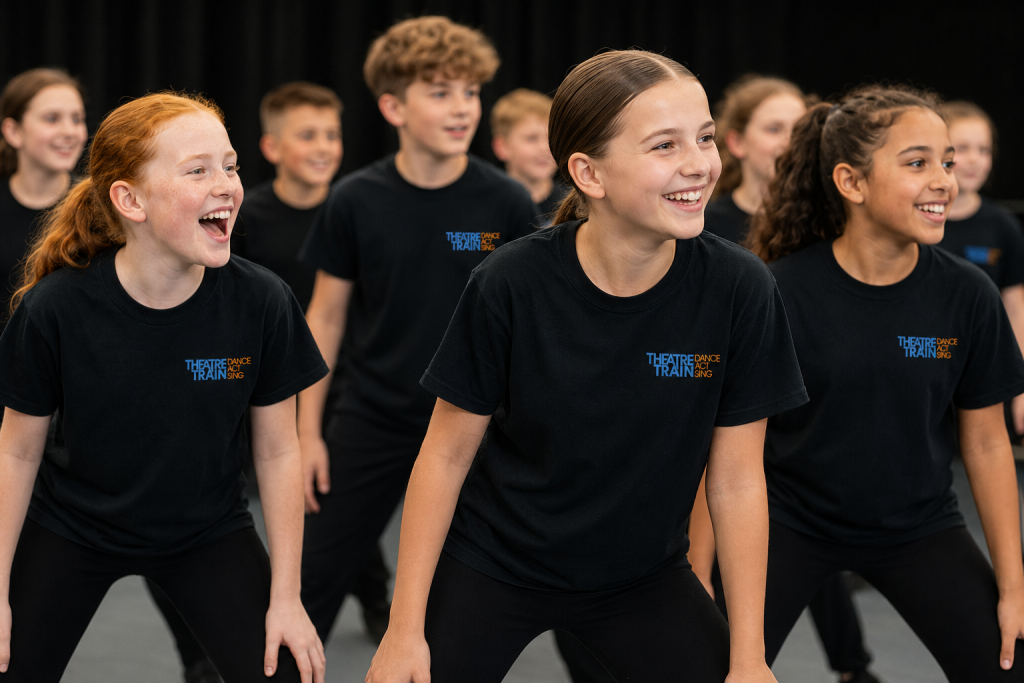
Theatretrain, a nationwide provider of weekend theatre schools for young people aged 4-18, specialises in weekly classes in acting, singing, and dancing. An emphasis is placed on learning valuable life skills such as confidence, empathy, courage, and resilience. If you know a child who loves to dance, act and sing or could do with a little confidence boost why not visit to find out what our performing arts classes can offer your child at one of our 80 locations across the UK.

Related Articles

A parent learning about Theatretrain Maldon performing arts classes in Essex.

Choosing Performing Arts Classes in Essex: What Parents Should Look For

Choosing the right performing arts classes can feel like a big decision for parents. It’s not just about finding a class that’s fun—it’s about choosing an environment where children can grow in confidence, learn valuable skills and feel emotionally safe. In this guide, Theatretrain Maldon shares what we believe matters most when selecting a performing arts school in Essex: coaching quality, child-centred learning, progressive skill development and a nurturing atmosphere.
Read more >
Children concentrating during rehearsal at Theatretrain Maldon in Essex, UK.

Discipline and Focus Without the Stress: The Rehearsal Mindset Young People Build

Discipline and focus are often described as traits children either have or don’t have. In reality, they are skills that can be learned. Performing arts classes are a unique way to teach those skills naturally, because rehearsal requires attention, structure and commitment. At Theatretrain Maldon, children practise focus through listening for cues, remembering sequences and responding to direction. Instead of turning discipline into a battle, we teach rehearsal habits through coaching and supportive guidance—so children feel motivated to do their best.
Read more >
Children developing creative thinking in a drama lesson at Theatretrain Maldon in Essex.

Creativity with Structure: Why Performing Arts Improve Thinking Skills

Creativity isn’t just about being artistic—it’s about thinking in flexible ways. When children participate in performing arts classes, they learn how to interpret, make choices and solve problems in real time. They practise thinking “What if…?” “How should it change?” and “How can we make it work as a team?” At Theatretrain Maldon, creativity is coached with structure. Children explore ideas safely, learn performance techniques and apply feedback to improve. Over time, that creative confidence helps young people approach challenges with optimism and curiosity.
Read more >