Why structure helps children focus
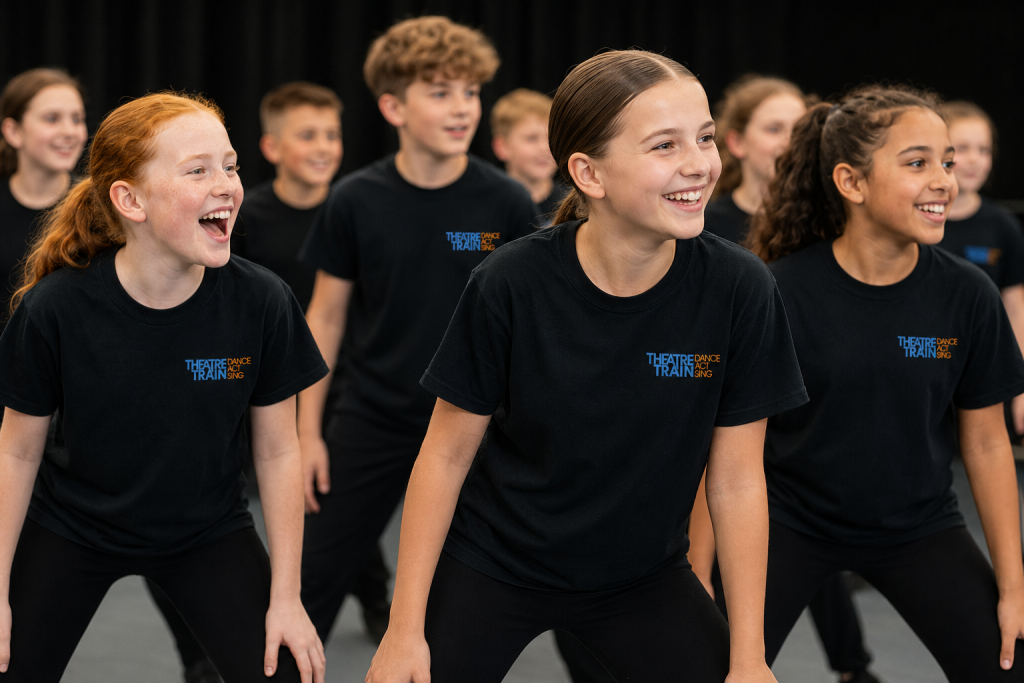
Children focus better when they know what to expect. Performing arts classes typically follow a routine:
- warm-up,
- skill building,
- group rehearsal,
- and performance practice.
That structure helps children settle, build attention and prepare their minds for learning.
Discipline is practised through responsibility
Children learn discipline when they understand their participation matters to the group. In theatre, everyone has a role—timing, lines, movement and musical cues all contribute to the whole performance.
This creates meaningful responsibility that feels positive, not punitive.
Focus improves when children have to respond
Performing arts are interactive. Children must:
- listen closely,
- react quickly to cues,
- and participate with intention.
That keeps attention active, rather than passive.
Feedback builds learning confidence
Discipline includes learning how to improve. Children practise applying feedback in small steps. That supports a growth mindset: instead of feeling “I can’t”, they learn “I can learn”.
Famous performers know craft takes commitment
Professional performers often talk about “craft” and disciplined practice. Whether it’s dancers refining technique or actors repeating scenes, the principle is the same: commitment creates confidence.
Theatretrain Maldon brings those professional principles into a child-friendly approach—so young people learn to practise effectively and stay motivated.
Transfer to school and everyday life
As children strengthen focus and discipline through theatre, parents often see changes like:
- better readiness for homework,
- improved listening in class,
- more persistence when tasks are difficult,
- and a stronger sense of responsibility.
These are exactly the skills that help children succeed beyond school performances.
Theatretrain Maldon: discipline built through creativity
To see how Theatretrain Maldon supports weekly focus and rehearsal growth, visit our classes page: 🔗 https://theatretrain.co.uk/maldon/classes