

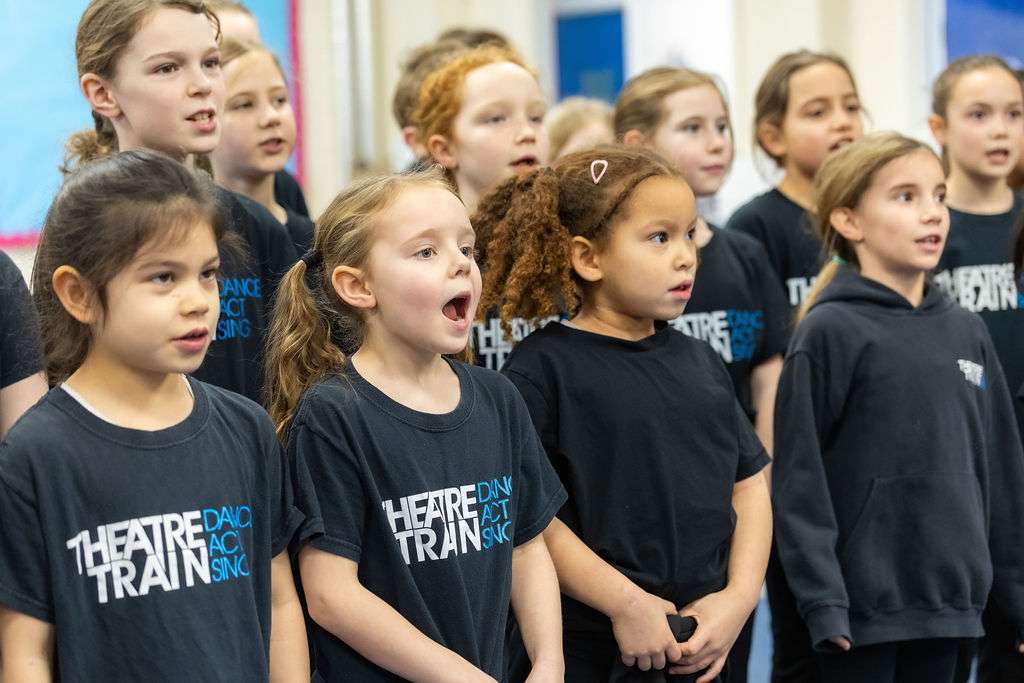
Choosing a performing arts school for your child can feel overwhelming. With so many drama, singing and dance classes available, it can be difficult to know which option is right for your family.
There are several important factors to consider when choosing a performing arts school. A fun, friendly and inclusive environment is essential, along with experienced teachers, age-appropriate training and practical considerations such as location, cost and flexibility. A school’s history and reputation also matter — and the option of a trial or taster session can be invaluable.
Below are some key things to look for when choosing a performing arts school for your child.
What to Look for in a Performing Arts School
Qualified and Experienced Teachers
The experience and expertise of the teaching team play a crucial role in your child’s learning journey. Teachers should have strong training backgrounds and, ideally, professional industry experience alongside their teaching skills.
At Theatretrain, curriculum and training are overseen by founder and Artistic Director Kevin Dowsett, a respected theatre professional with decades of experience in the performing arts. His approach focuses on developing confident, versatile performers rather than working towards exams alone.
At Theatretrain Maldon, pupils are taught by experienced teachers with backgrounds in performance and education, bringing real-world knowledge and enthusiasm into every weekend class.
An Inclusive and Supportive Environment
A good performing arts school should provide a welcoming and inclusive environment where children feel safe to express themselves. Creativity thrives when there is encouragement rather than unhealthy competition.
Drama, singing and dance rely on collaboration, confidence and individuality, so it’s important that every child feels valued and supported.
Parents can often gain insight into a school’s atmosphere by reading online reviews or looking at social media content shared by families. Speaking to other parents or attending a taster session can also help you understand whether a school is the right fit.
Performance and Stage Opportunities
Performance opportunities are an important part of a child’s development in the performing arts. Taking part in shows helps pupils build confidence, overcome nerves and develop presentation skills that benefit them far beyond the stage.
Many parents choose Theatretrain because of its long-standing commitment to performance, with pupils taking part in local shows as well as larger-scale productions throughout their time at the school.
A High-Quality, Age-Appropriate Curriculum
A strong performing arts curriculum should balance drama, singing and dance, offering age-appropriate experiences that grow with your child.
Kevin Dowsett, founder of Theatretrain, explains his approach:
“When I first founded Theatretrain, I knew I wanted to offer something completely different to what I was seeing from traditional theatre training. Most classes available today are based on an examination system and offer very little in the way of a true experience of what it’s like to be and think as a performer. I wanted to change that.”
At Theatretrain Maldon, the focus is on developing confident, creative young people through a curriculum designed to nurture both performance skills and personal growth.
Trial or Taster Sessions
A free taster session is one of the best ways to decide whether a performing arts school is right for your child. It allows them to experience the classes first-hand and see whether they feel comfortable, engaged and excited.
If your child enjoys the taster session and responds positively to the environment and teaching style, it can give you confidence in your decision.
A Proven Track Record
When choosing a performing arts school, it’s sensible to look at its history and stability. Useful questions to ask include:
- How long has the school been running?
- How long have the teachers been part of the team?
- Do pupils stay with the school long term?
- Are there clear pathways for progression?
Theatretrain has been running since 1992 and has welcomed thousands of young people through its weekend classes across the UK, supporting pupils of all abilities and aspirations.
Practical Considerations: Cost and Flexibility
Before enrolling, it’s important to understand how fees work and whether there is flexibility. Parents may wish to ask:
- Are sibling discounts available?
- Are there payment plans or monthly options?
- How and when are payments taken?
At Theatretrain Maldon, families can take advantage of a monthly direct debit option, helping to spread the cost across the year in a clear and manageable way.


