Why theatre creates natural teamwork opportunities
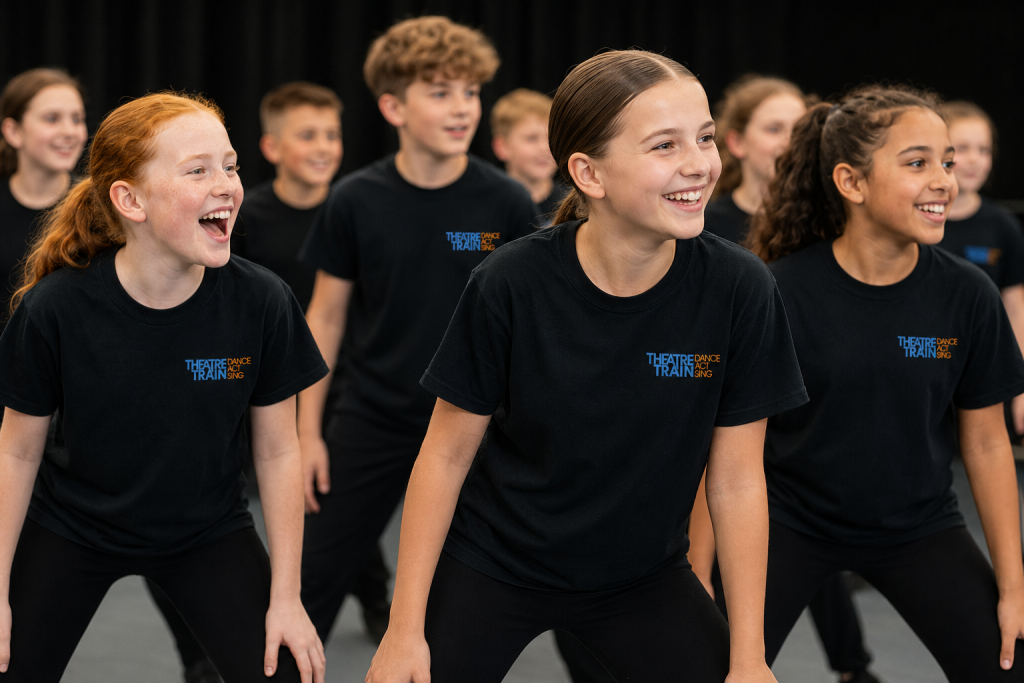
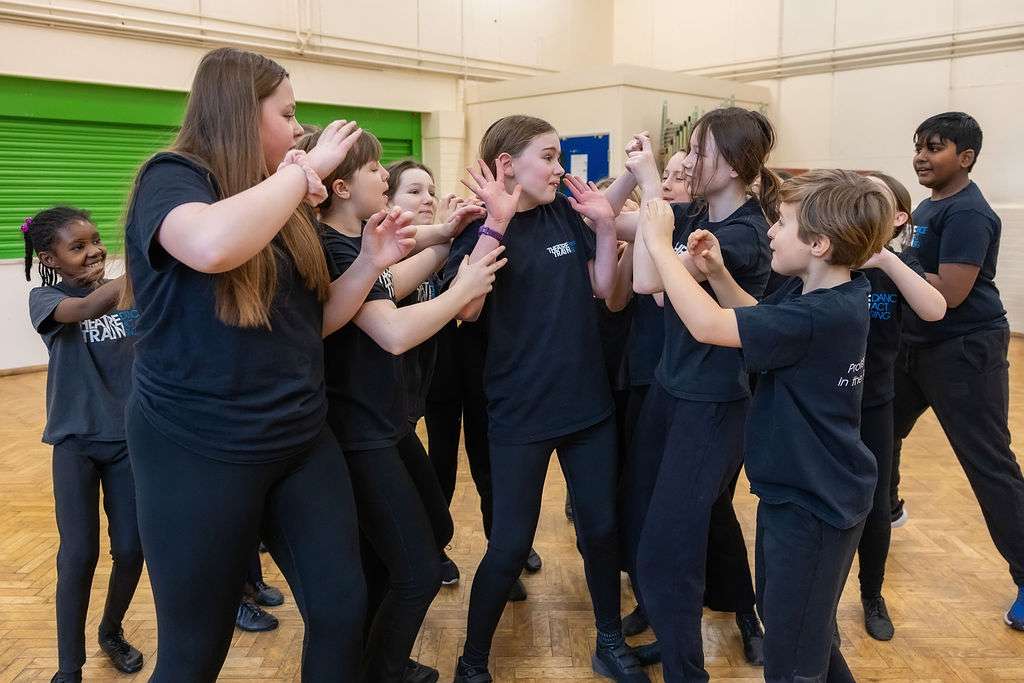
In traditional group settings, teamwork can feel abstract. In performing arts, teamwork becomes immediate. A dance sequence depends on everyone hitting the same beats. A drama scene relies on timing, listening and reacting. A group number only works when everyone participates.
That means children gain teamwork experience that feels real and purposeful—not forced.
Ensemble work teaches listening and responsiveness
One of the most valuable social skills children can practise is listening. In theatre, listening isn’t passive. Children listen for:
- cues from teachers,
- signals from fellow performers,
- changes in timing,
- and group prompts within a script or choreography.
This builds attention and improves communication. It also helps children feel more connected, because they know they’re part of what’s happening.
Children learn respect through shared responsibility
Performing arts encourage children to understand that every role matters. Even when a child isn’t the “main” performer, they still contribute to the overall show. This creates responsibility without harshness.
Instead of “being responsible” being a lesson, it becomes a natural part of making something together.
Healthy collaboration includes learning from missteps
Teamwork isn’t always smooth. Rehearsal involves adjustment. Children learn how to respond when:
- someone is slightly late with a move,
- the timing needs refining,
- or a line needs changing.
In a supportive environment like Theatretrain Maldon, these moments become learning opportunities. Children gain resilience and social maturity, rather than feeling embarrassed.
Real friendships form through repeated shared experiences
Friendships grow when children have repeated chances to interact around shared interests. Performing arts classes provide exactly that. Children work together weekly, learn similar routines, celebrate improvements and build confidence as a group.
This is why theatre can be especially helpful for children who want friends but find group situations challenging—shared creative work gives friendships a strong starting point.
Lin-Manuel Miranda and ensemble energy
Lin-Manuel Miranda, creator of Hamilton, is well known for the power of ensemble storytelling and collaborative creation. His work highlights that the best performances come from groups that energise each other and work as a united team.
At Theatretrain Maldon, children experience that same principle in age-appropriate ways: they aren’t just rehearsing a performance, they’re learning how to contribute to a team.
Social skills that transfer beyond theatre
Parents often see improvements that show up outside the classroom. Teamwork from theatre can support:
- confidence in talking to new people,
- better turn-taking with siblings and classmates,
- more patience when plans change,
- and a willingness to join group activities.
These are exactly the social skills young people need to feel comfortable in everyday life.
Why choose Theatretrain Maldon in Essex for teamwork?
If you want a performing arts school where children learn social confidence through real ensemble practice, Theatretrain Maldon offers weekly drama, dance and singing classes that build teamwork through coaching and structured rehearsal.
Learn more about the weekly classes here:🔗 https://theatretrain.co.uk/maldon/classes