Why confidence is different in performing arts
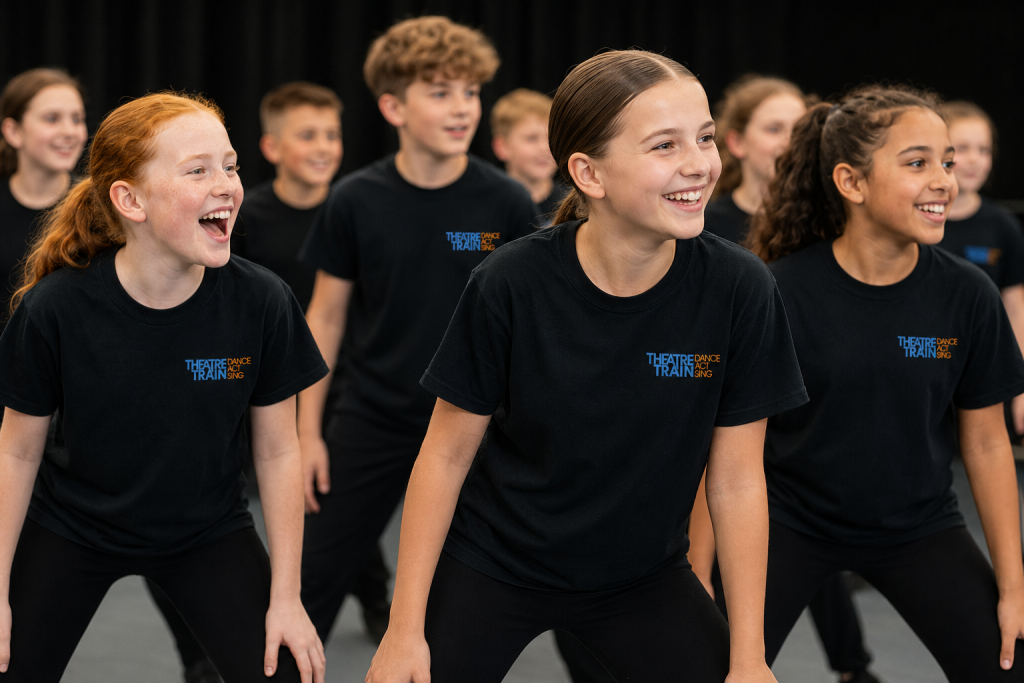
Many parents want to help their child become confident, but “confidence” can mean different things. In schools and communities, children often experience confidence as something that comes from praise or from getting everything right. In performing arts, confidence is earned through progress.
At Theatretrain Maldon, we focus on:
- achievable steps (so children can succeed early),
- constructive coaching (so feedback helps them improve),
- safe risk-taking (so trying doesn’t feel frightening),
- team support (so children feel they belong).
This creates confidence that’s grounded in capability, not luck.
Drama helps children speak up and be heard
Acting is one of the most direct ways to build confidence in communication. When children learn a line or participate in a scene, they’re practising clarity, voice projection, and timing—skills that also help them in school discussions and group work.
Real-life example
Consider how many children become more confident when they have a role. A character gives structure. It provides a reason to speak, move and express emotion. Instead of asking “What should I say?” children focus on “What does my character want?” That shift often reduces anxiety and makes participation feel more natural.
Dance builds confidence through progress you can see
Dance helps children build confidence in a physical way. Learning choreography isn’t just about movement—it’s about memory, rhythm, co-ordination and knowing your body in space. As routines improve, children gain evidence that they are capable of growth.
Dance also helps children who struggle with confidence in stillness. Movement can be a relief, and when children feel their body working with music, they often become more relaxed and self-assured.
Famous inspiration
Many professional dancers emphasise that artistry comes from disciplined practice—whether you’re performing on a TV stage or training for years behind the scenes. That same principle applies at Theatretrain Maldon: we help children build technique through play, repetition and supportive direction.
Singing strengthens confidence in expression
Singing offers a unique kind of confidence. Children learn to use their voice, manage breath, and express emotion through sound. For many young people, singing is a safe way to show feelings without having to “explain” them verbally.
When children discover that their voice matters—whether it’s loud, quiet, brave or improving—their sense of personal worth strengthens naturally.
Teamwork turns nerves into belonging
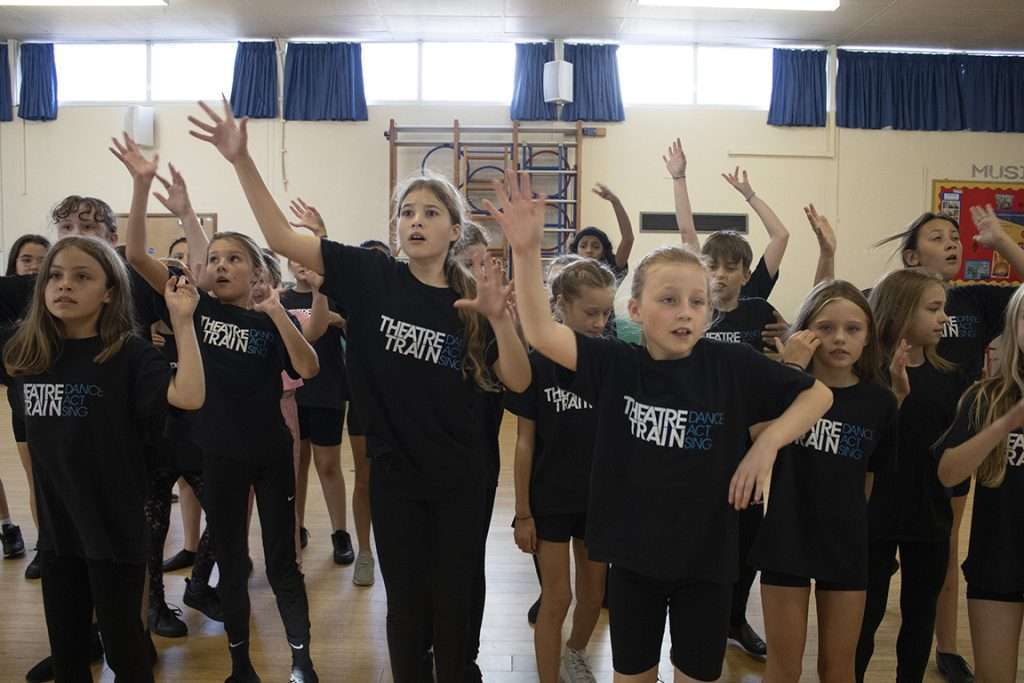
One of the biggest confidence boosters in theatre is the ensemble. Children learn that performance isn’t “solo perfection”. It’s shared timing, shared focus and shared support.
In our classes, children learn:
- how to listen to cues,
- how to take turns,
- how to encourage others,
- how to stay present even if something changes.
That teamwork builds confidence in social settings too. When a child feels part of a group that values them, they’re more likely to try new things elsewhere.
The Theatretrain approach — confidence through coaching, not pressure
Parents often ask: “Will my child be pressured to perform?” At Theatretrain Maldon, the answer is no. Our coaching is designed to support development. Children are encouraged to join in at an appropriate level, build skills gradually, and feel safe when learning new challenges.
Confidence isn’t about forcing children to be fearless—it’s about helping them practise being brave.
How confidence is built week by week
Confidence is built through a progression of experiences:
- Warm-up and participation (so children settle quickly)
- Skill focus (acting, dance or singing—small achievable steps)
- Group rehearsal (teamwork, cues and timing)
- Confidence moments (celebrating effort and improvement)
This routine helps children feel secure and ready to try.
Confidence beyond the theatre (what parents usually notice)
While the stage is where the skills are practised, confidence grows in everyday life. Parents often see changes such as:
- speaking up in class more,
- trying new clubs or activities,
- becoming more resilient after mistakes,
- making friends more easily,
- approaching challenges with optimism.
Confidence built through performing arts feels different: it’s not “pretending”. It’s real evidence that your child can learn, improve and contribute.
Why Theatretrain Maldon is a great fit for Essex families
If you’re looking for performing arts classes in Maldon, Essex, Theatretrain Maldon offers a structured, creative environment where children develop skills and self-belief at their own pace. Our child-centred teaching means children feel encouraged, not judged.
If you’d like to see how your child might fit in, you can explore our classes here:
🔗 Weekly classes: https://theatretrain.co.uk/maldon/classes