

For many children, attending a summer residential school is one of the most exciting experiences of their childhood. It offers the chance to try something new, spend time away from everyday routines and enjoy a week filled with activities, friendships and unforgettable moments.
For parents, sending a child away from home can naturally feel like a big step. However, a well-run residential school provides a safe and supportive environment in which children can grow in confidence, become more independent and discover just how capable they really are.
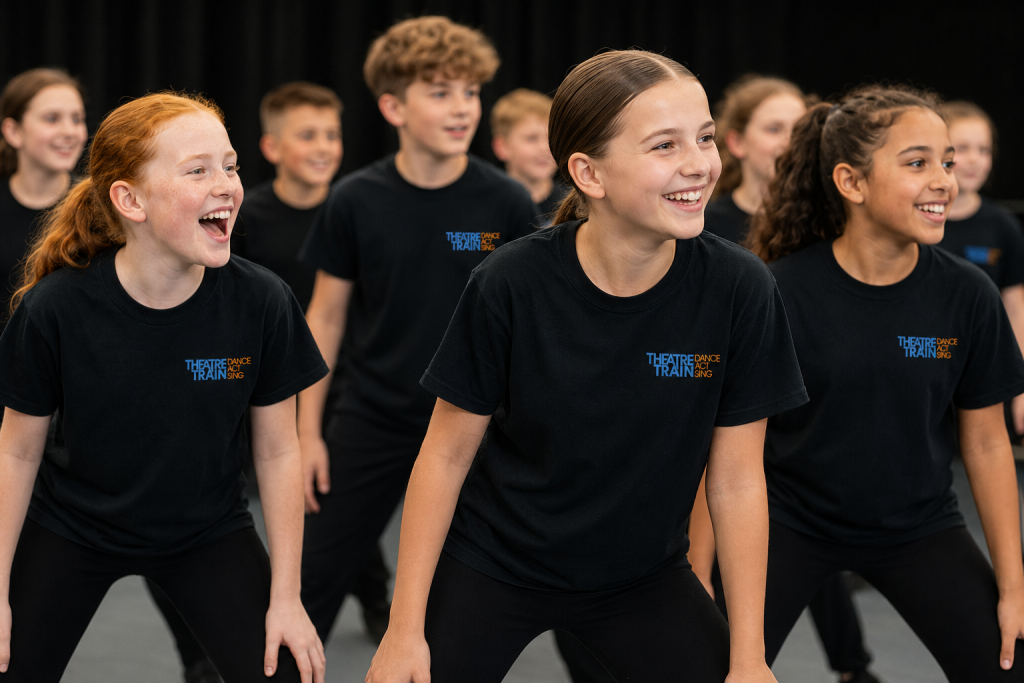
At the Theatretrain National Residential Summer Academy, children spend a week singing, dancing, acting, taking part in specialist workshops and enjoying a full programme of evening entertainment. Yet the benefits reach far beyond the rehearsal room.
Building Confidence Away from Home
One of the greatest benefits of a summer residential is the confidence children develop from spending time away from their usual surroundings.
For some, it may be their first experience of staying away from their family for several nights. Even children who arrive feeling slightly nervous often surprise themselves with how quickly they settle in.
Small achievements can make a significant difference. Organising their belongings, getting themselves ready in the morning, joining a new activity or introducing themselves to someone they have never met all help children recognise their own abilities.
By the end of the week, many children return home standing a little taller and feeling proud of everything they have accomplished.
Encouraging Independence
Residential schools give children the opportunity to enjoy greater independence while still being supported by experienced adults.
They learn to take responsibility for simple everyday tasks, such as looking after their belongings, arriving at activities on time and preparing themselves for the day ahead.
This does not mean that children are left to manage alone. Staff are always available to offer reassurance, guidance and practical support. However, children are also gently encouraged to make decisions and solve small problems for themselves.
These experiences help prepare them for other important milestones, including school trips, moving to secondary school, college and eventually adult life.
Making New Friends
Summer residential schools bring together children from different schools, towns and backgrounds. Everyone arrives with something in common, whether that is a love of performing, a shared interest or simply a desire to have an exciting summer.
Without the usual school friendship groups around them, children are encouraged to speak to new people and include others. Friendships often form very quickly because everyone is sharing the same experiences.
They rehearse together, eat together, take part in evening activities and support one another through the challenges of the week. By the final day, children who had never met before may feel as though they have known one another for years.
For children who sometimes struggle to find people with similar interests at school, this sense of belonging can be particularly powerful.
Developing Social and Teamwork Skills
Residential experiences naturally encourage children to communicate, cooperate and work as part of a team.
In performing arts sessions, children must listen to one another, share ideas and work towards a common goal. A scene, dance routine or musical number can only succeed when everyone plays their part.
The same skills are developed throughout the rest of the week. Children learn to live alongside others, respect different personalities and understand that everyone may have their own needs and feelings.
They also discover how rewarding it can be to encourage someone else. A kind word before a performance or a round of applause after a challenging activity can mean a great deal.
Trying New Things
Children often feel more willing to try something new when they are surrounded by other young people who are doing exactly the same.
A child who usually prefers acting may discover a love of dance. Someone who feels nervous about singing may find the confidence to perform as part of a group. Others may enjoy stage combat, choreography or creative workshops that they have never experienced before.
A residential week creates the time and space for children to explore without the pressure of needing to be perfect.
The aim is not for every child to be the strongest singer, dancer or actor. It is about having a go, discovering new interests and enjoying the experience.
Learning Resilience
Not every moment of a residential week will feel easy. A child may miss home, find a routine challenging or need extra time to learn part of a performance.
With encouragement and support, they learn that difficult feelings pass and challenges can be overcome.
Perhaps they attend an activity despite feeling unsure. Maybe they ask a member of staff for help or receive reassurance from a new friend. Each of these moments helps build resilience.
Children begin to understand that feeling nervous does not mean they cannot do something. In fact, some of their proudest achievements may come from the moments that initially felt the most daunting.
Enjoying Creativity Without Everyday Distractions
Modern children have busy lives filled with schoolwork, homework, devices and packed weekly schedules. A summer residential gives them the chance to step away from those everyday pressures.
Their attention is focused on creativity, movement, music, games, friendship and shared experiences.
At a performing arts residential, children are encouraged to use their imagination, express themselves and contribute their own ideas. This creative freedom can be wonderful for their wellbeing and provide a much-needed change of pace during the school holidays.
Creating Memories That Last
Ask an adult about a residential trip they attended as a child, and they will often remember the smallest details: the friends they made, the songs they sang, the evening games and the excitement of sharing a room with others.
These experiences become part of a child’s personal story.
The final performance is always special, but the quieter moments matter too: laughing over dinner, helping a friend with a costume, celebrating someone’s birthday or chatting together at the end of a busy day.
Children return home with stories to tell, photographs to share and memories they may treasure for many years.
More Than a Week Away
A summer residential school is much more than a holiday or a week of activities.
It is an opportunity for children to become more confident, independent and resilient. It allows them to form new friendships, discover new interests and feel part of a supportive community.
At the Theatretrain National Residential Summer Academy, we see children arrive with a mixture of excitement and nerves. By the end of the week, they leave with new friends, wonderful memories and an enormous sense of achievement.
Bookings Open at 3pm on Saturday 8th August.
We cannot wait to welcome another group of young performers for a summer filled with creativity, friendship and fun.


