April 20, 2026

Standing Out

Theatretrain Artistic Director Kevin Dowsett reflects on the instinct to challenge expectations and break the mould. From silent school assemblies to imagined moments of singing in everyday spaces, he explores how that inner urge to disrupt can fuel creativity and connection. In this piece, he considers why we feel compelled to shake things up, and how, within performance, those unexpected choices can elevate a scene and bring it vividly to life.

When I was at school, we had an assembly every morning. The head teacher would sweep in in a gown, and there would be prayers, a hymn, and messages about the football team. It was very different back then. Something about everyone being so silent and still made me want to shout out and surprise them all. Perhaps I just wanted attention, but I think it was more than that. I found the sense of overwhelming control a bit oppressive. It was a reaction inside.

I’ve carried that crazy impulse to play against the things around me. But of course, it’s in my head. Much as I’d like to, I don’t think I’ll walk into the coffee shop and suddenly turn it into an operatic solo. “I want to order a decaf latte if you please.” Although I would enjoy the look of shock, surprise, humour, or fear that would come from the barista. I do that sometimes in Starbucks, where they always ask my name, and I say, “James Bond” and see what reaction I get. Don’t we all have moments where we want to shake things up a bit? What about in the car when someone zigzags ahead of you on the motorway, don’t we react?

I know a few musical songs, maybe I could try out a number from Rent or Chicago in the bread aisle of Tesco’s. You never know, it might cause enough of a conniption to get others to join in. After all, it sometimes happens spontaneously in queues, “Why are we waiting, why are we waiting” to the tune of  “Oh Come All Ye Faithful.” And where would football be without people singing out?

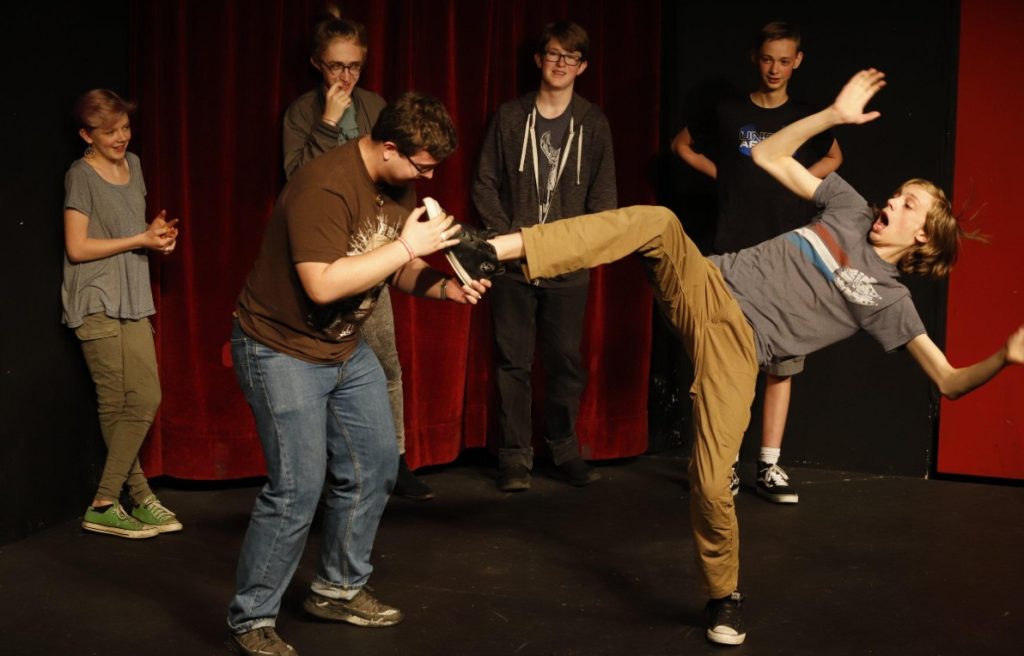
In my acting classes, I often shake things up. I’ll whisper to an actor, “Leave the room in the scene.” They do so, and it’s fascinating to see how the other actor deals with it. Do they follow them, or do they just stand there? I can tell you that when they follow, the scene goes up a gear in the corridor, or on the stairs, or even outside.

A few years ago, flash mobs were all the rage. At Theatretrain, we did a few. We got a big crowd of students together in London and suddenly popped up in Waterloo Station with our song, “Calling all Stations” and Trafalgar Square, Covent Garden and the Tower of London. These days, though, it’s harder to shock people. You can suddenly pop up, and people very quickly accept it – oh no, another flash mob. I think that’s why they went out of fashion.

You may have seen Channel 4’s Piano programme, where a piano was left at a railway terminus, and various people wandered up to play. Some were astonishingly good. And the new second series of Your Song, which launched recently on Channel 4, brings private singers to public places. Good luck to them, but I think my Tesco debut will stay on the back burner.
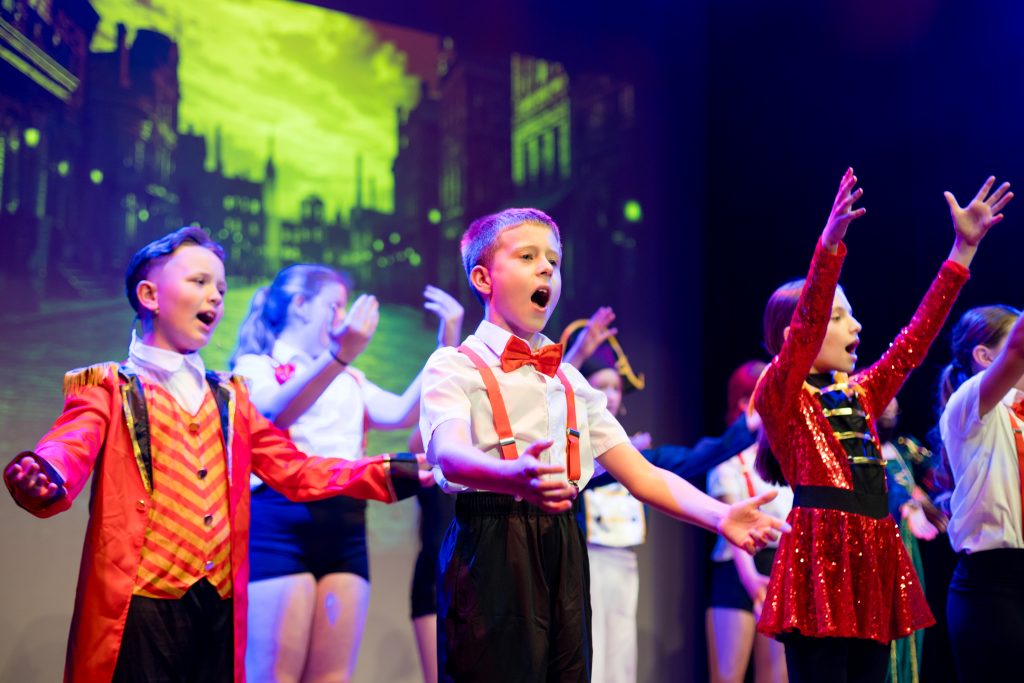
Theatretrain, a nationwide provider of weekend theatre schools for young people aged 4-18, specialises in weekly classes in acting, singing, and dancing. An emphasis is placed on learning valuable life skills such as confidence, empathy, courage, and resilience. If you know a child who loves to dance, act and sing or could do with a little confidence boost why not visit to find out what our performing arts classes can offer your child at one of our 80 locations across the UK.

Related Articles

Musicals and Young People

Musical theatre brings acting, singing and dancing together to create the excitement of a live show. But the fun isn’t just about the biggest roles or the most lines. It’s about becoming a character, daring to be bold and discovering how every performer helps bring the story to life.
Read more >

The Strange Thing About Hands

What do you do with your hands when you're standing in front of an audience? It's a surprisingly common question, particularly among young performers! In his latest blog, Theatretrain Artistic Director Kevin Dowsett explores why something as natural as using our hands can suddenly feel so awkward when we're performing. Through a wonderfully entertaining drama exercise, Kevin demonstrates how laughter, imagination and a little loss of control can help young people overcome self-consciousness and discover the freedom to perform naturally.
Read more >

The Lost Art of Looking Up

When was the last time you stopped looking at a screen and really noticed the world around you? In his latest blog, Theatretrain Artistic Director Kevin Dowsett reflects on how technology has changed the way we connect with others. From a frustrating encounter at a hospital reception desk to the simple pleasure of walking through a forest, Kevin explores why looking up, paying attention and being truly present are so important, particularly for young performers.
Read more >

It’s About Other People

What happens when we make mistakes, lose confidence or feel we've let others down? In his latest blog, Theatretrain Artistic Director Kevin Dowsett explores the extraordinary strength of belonging to a supportive group. Drawing on a memorable mishap from his own performing career, Kevin explains why kindness, empathy and standing together matter far more than getting everything right.
Read more >

People in Public

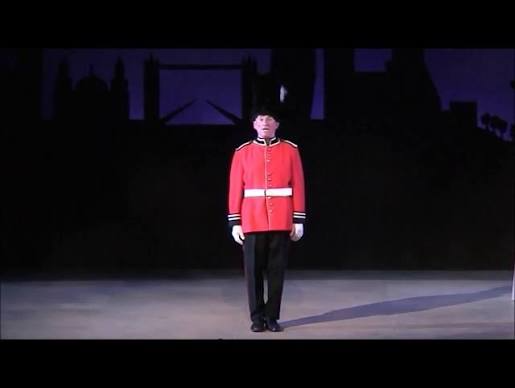
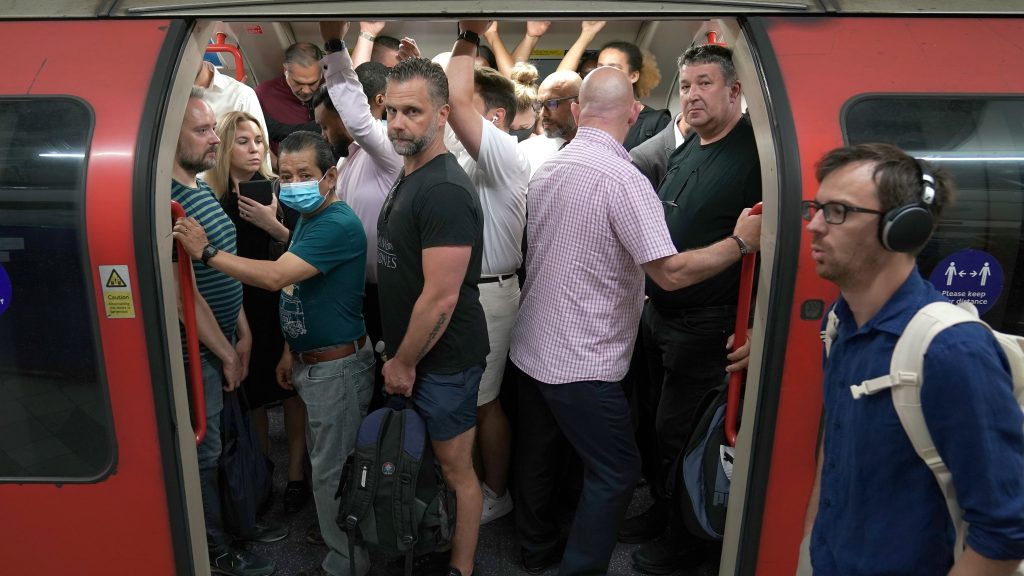
How much can we learn about people simply by watching how they behave around strangers? In his latest blog, Theatretrain Artistic Director Kevin Dowsett explores the fascinating unwritten rules of public spaces, from choosing a seat on the Tube to avoiding eye contact at rush hour. For actors and theatre-makers, everyday behaviour can provide some of the richest inspiration of all.
Read more >

Making an Entrance

How much can we learn about a character before they’ve even said a word? In his latest blog, Theatretrain Artistic Director Kevin Dowsett looks at the importance of those first few seconds on stage and how a simple entrance can immediately spark an audience’s curiosity. He also considers why first impressions matter beyond the rehearsal room – and what theatre might teach us about the way we enter a room in everyday life.
Read more >