October 12, 2026

It’s About Other People

What happens when we make mistakes, lose confidence or feel we've let others down? In his latest blog, Theatretrain Artistic Director Kevin Dowsett explores the extraordinary strength of belonging to a supportive group. Drawing on a memorable mishap from his own performing career, Kevin explains why kindness, empathy and standing together matter far more than getting everything right.

We join groups for ourselves, but they’re often most valuable when we need others.  Groups are special. It could be the Scouts or Brownies, a football team, a chess club. You get to be with people who think a bit like you or agree with how things are done. Over time, friendships can form, and shared experiences can deepen connections.

But being in a group is about more than that, as you become part of something bigger than yourself. It can bring you huge benefits. Let’s face it, everyone has an off day. We can fall out with people; we can get things wrong. We can miss an open goal or forget what to say at a crucial moment. We can be anxious or upset about something in our lives. This is where our new catchphrase, “Together we are unshakable,” comes in.

If you get it wrong, you may feel horribly exposed, but you don’t have to deal with that feeling alone. A good group knows how you feel, and that’s when they support you most.  

In performance, if everyone goes one way and you go the other, it’s obvious. At the time it may feel enormous, but it doesn’t have to define what happens next.

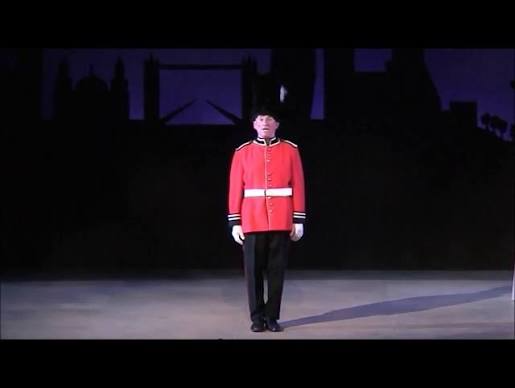
If you sing the wrong notes, you can feel very exposed. This happened to me once. As a student, I was in a performance where I had to sing with an orchestra, playing a guardsman in full busby, outside the Houses of Parliament. With such a grand costume, you do feel a bit important. Well, I had to sing a showy little section unaccompanied, then three other people joined back in again. Somehow, I gave them the wrong note, and when the orchestra started up again, it sounded awful.

Afterwards, I discovered many people hadn’t even noticed, but what I valued most was that a couple of the performers said, “It happens” and “I ‘ve done worse myself.” That’s when you realise who is kind and who has empathy.

Some people will always be quick to point out somebody else’s mistake. As a teacher, I tried to discourage that. Criticism is easy. Helping somebody recover takes more generosity. So, I was grateful for my experience. It made me stronger. Once it had happened, I couldn’t change it, but I learned what it was to be truly accepted by the group. From then on, I always tried to support people who went through something similar.

That’s why we chose “Together we are unshakeable.” It doesn’t mean that no one makes mistakes, fails or gets things wrong. It means that when someone does, the group helps them recover. On your own, you can be knocked off course. Together, you find your balance again.
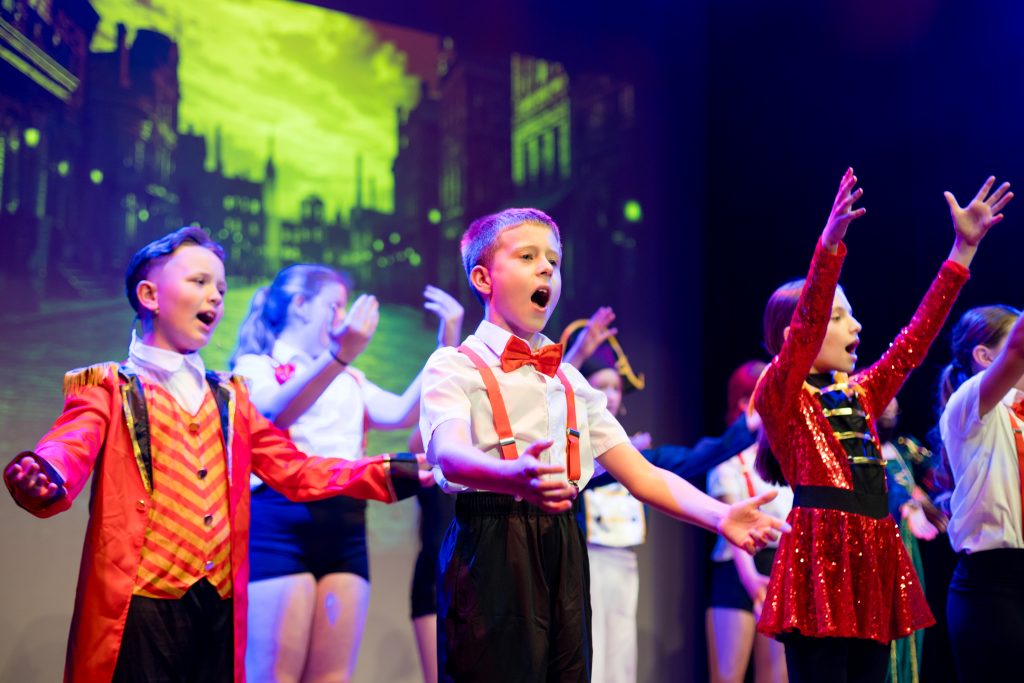
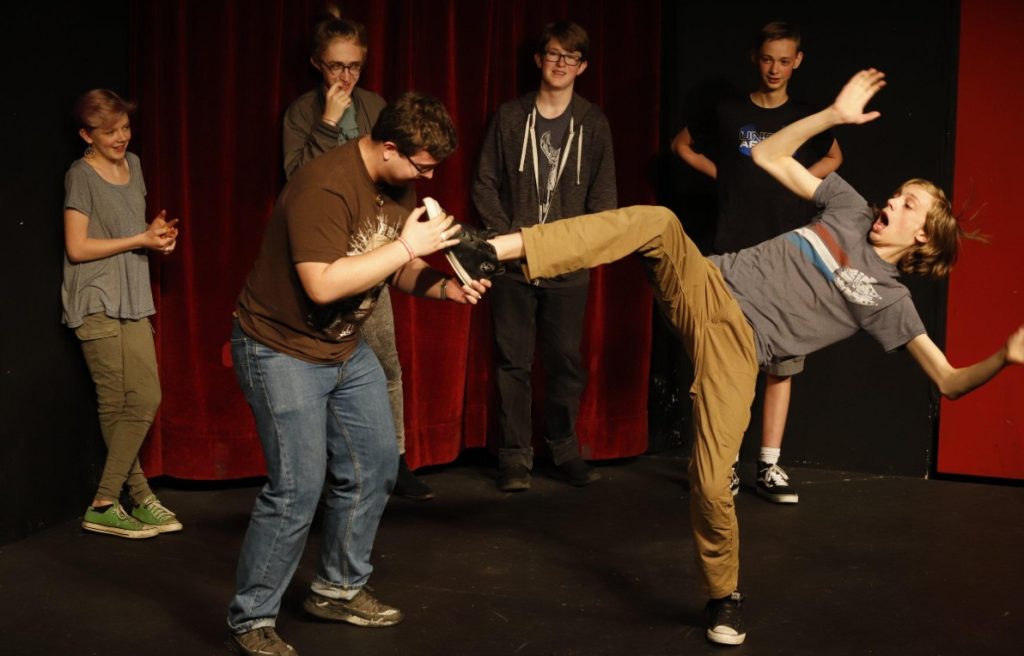
Theatretrain, a nationwide provider of weekend theatre schools for young people aged 4-18, specialises in weekly classes in acting, singing, and dancing. An emphasis is placed on learning valuable life skills such as confidence, empathy, courage, and resilience. If you know a child who loves to dance, act and sing or could do with a little confidence boost why not visit to find out what our performing arts classes can offer your child at one of our 80 locations across the UK.

Related Articles

Musicals and Young People

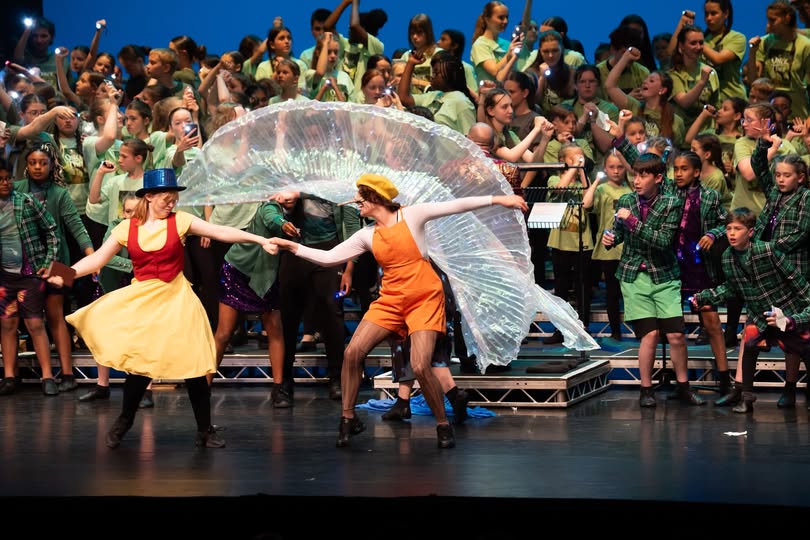
Musical theatre brings acting, singing and dancing together to create the excitement of a live show. But the fun isn’t just about the biggest roles or the most lines. It’s about becoming a character, daring to be bold and discovering how every performer helps bring the story to life.
Read more >

The Strange Thing About Hands

What do you do with your hands when you're standing in front of an audience? It's a surprisingly common question, particularly among young performers! In his latest blog, Theatretrain Artistic Director Kevin Dowsett explores why something as natural as using our hands can suddenly feel so awkward when we're performing. Through a wonderfully entertaining drama exercise, Kevin demonstrates how laughter, imagination and a little loss of control can help young people overcome self-consciousness and discover the freedom to perform naturally.
Read more >

The Lost Art of Looking Up

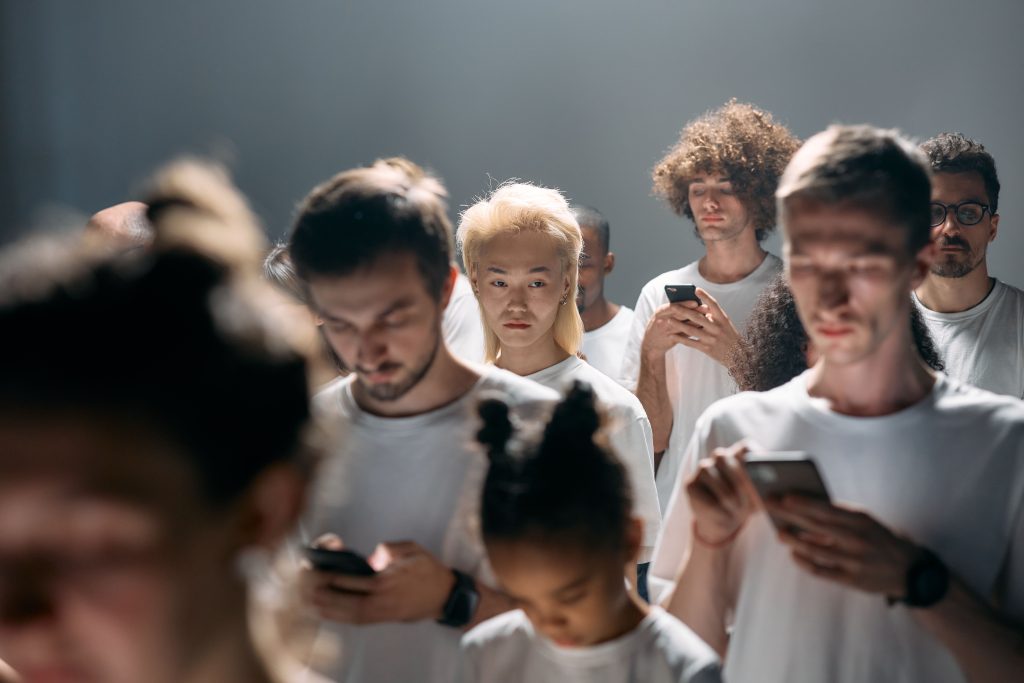
When was the last time you stopped looking at a screen and really noticed the world around you? In his latest blog, Theatretrain Artistic Director Kevin Dowsett reflects on how technology has changed the way we connect with others. From a frustrating encounter at a hospital reception desk to the simple pleasure of walking through a forest, Kevin explores why looking up, paying attention and being truly present are so important, particularly for young performers.
Read more >

People in Public

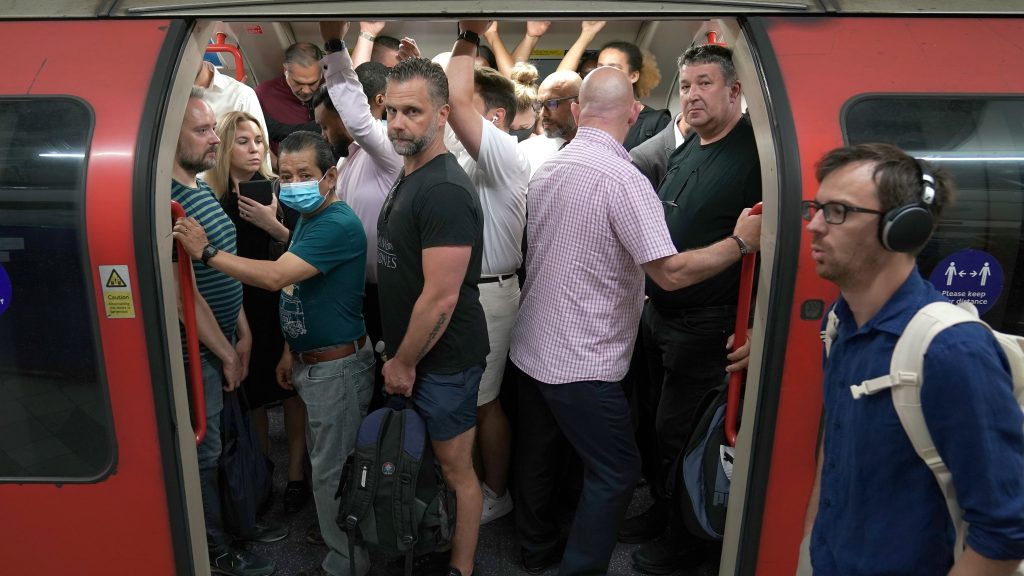
How much can we learn about people simply by watching how they behave around strangers? In his latest blog, Theatretrain Artistic Director Kevin Dowsett explores the fascinating unwritten rules of public spaces, from choosing a seat on the Tube to avoiding eye contact at rush hour. For actors and theatre-makers, everyday behaviour can provide some of the richest inspiration of all.
Read more >

Making an Entrance

How much can we learn about a character before they’ve even said a word? In his latest blog, Theatretrain Artistic Director Kevin Dowsett looks at the importance of those first few seconds on stage and how a simple entrance can immediately spark an audience’s curiosity. He also considers why first impressions matter beyond the rehearsal room – and what theatre might teach us about the way we enter a room in everyday life.
Read more >

Happy Birthday, NYT

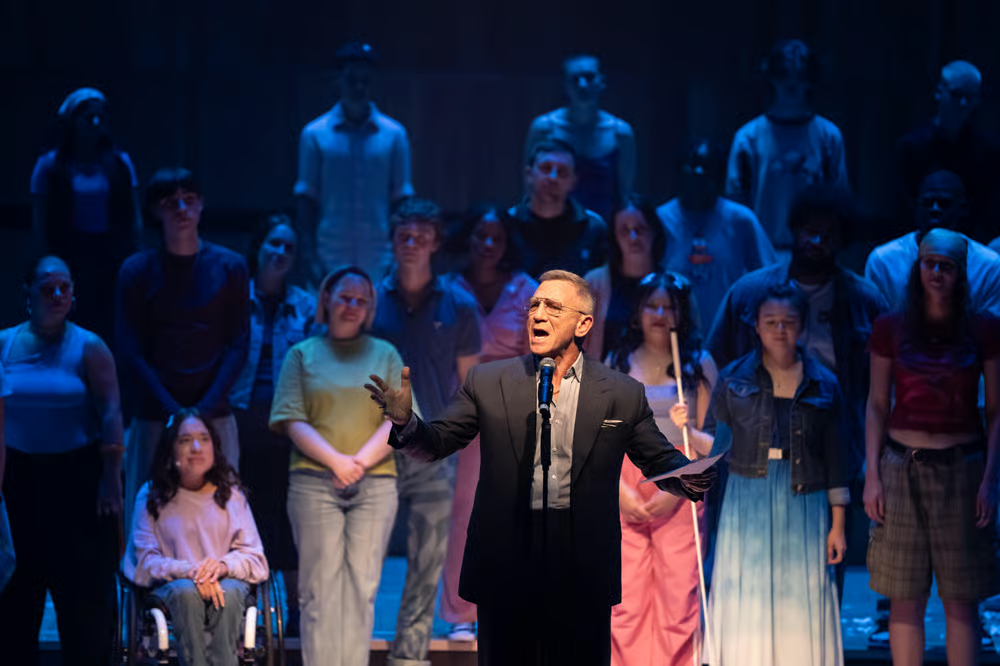
In his latest blog, Theatretrain Artistic Director Kevin Dowsett reflects on the National Youth Theatre as it celebrates its 70th anniversary. Drawing on his own experiences, and those of his daughter Tamsin, Kevin explores the lasting impact of youth theatre, from confidence and self-belief to collaboration and belonging. Inspired by a special anniversary performance, he considers the lessons we carry from our younger selves and the value of learning through experience.
Read more >