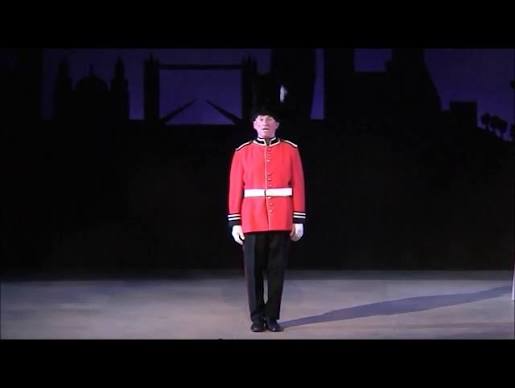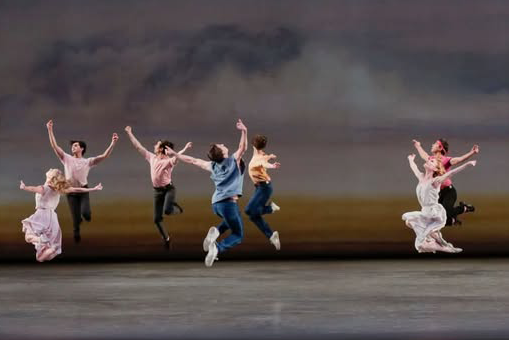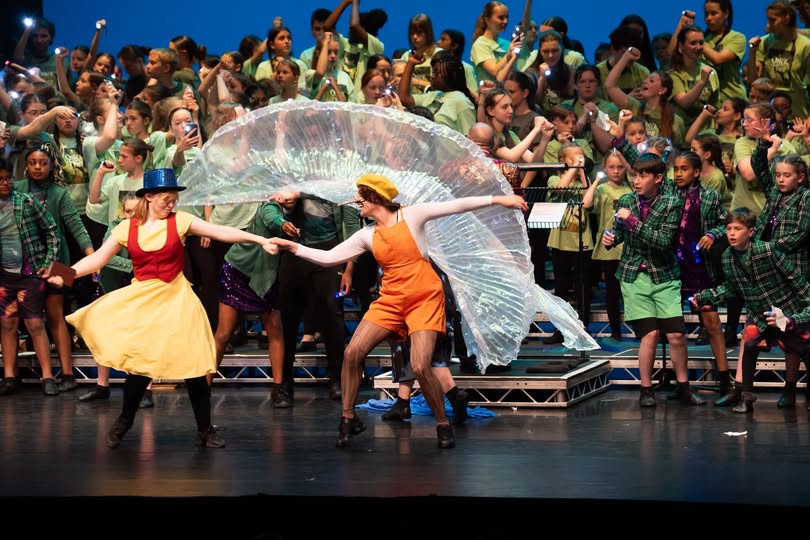
When I direct a scene, I work a lot on the very first thing that happens. Where are we? What are these people doing? What’s going to happen next? Those opening seconds are a wonderful opportunity to get the audience interested.
I say to the actors: when you walk through that door, you have five seconds to bring your character into the room. Find an action that tells us something about who you are and what you want. It’s all about choices. Say one person marches in and takes the best chair. Someone else hovers by the door, waiting to be invited. A third one looks at the chair and sits on the edge. They’ve established something before they’ve even spoken, and the audience is interested, or not.
Why five seconds? I’m not standing there with a stopwatch; it’s a way of saying: don’t wait for your first line to start being the character. Arrive with something already happening. Your character’s day didn’t begin when the door opened. That doesn’t mean every entrance needs a funny walk or a dramatic crash. Sometimes someone quietly closes a door, then checks that it’s really shut, and that’s more meaningful. Now we’re wondering. Who are they keeping out? Or what are they keeping in?
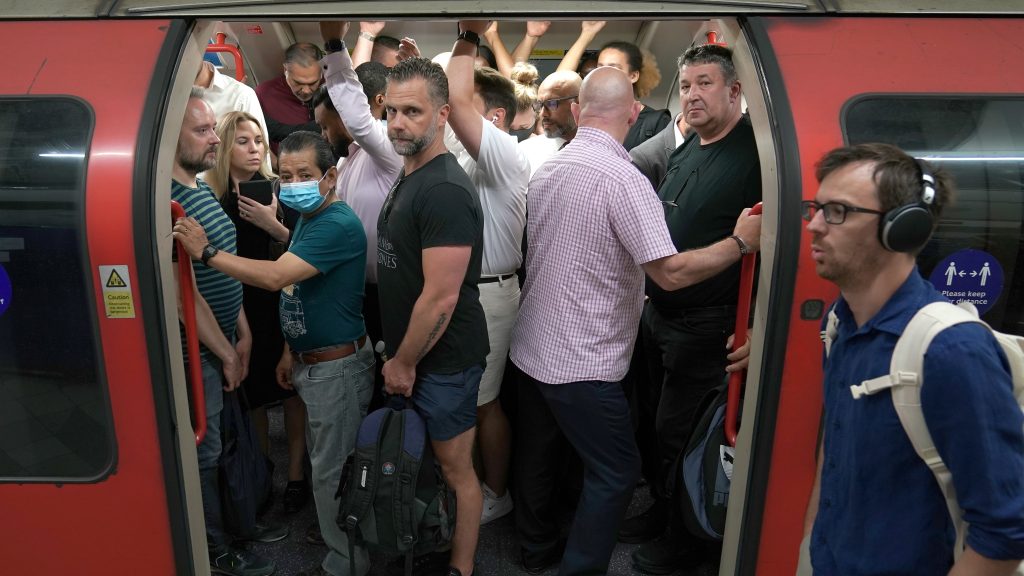
I walk most days, and if I meet someone coming the other way, I try a hello. Usually people smile or acknowledge me, but sometimes they look at me as if I’m dubious and about to rob them. I’m only saying good morning, nothing more. I find myself guessing what someone will be like before I reach them. Sometimes I’m right, but sometimes the sternest-looking person produces the biggest smile. First impressions are powerful, but they aren’t the whole story.
In theatre, that’s useful. An entrance can give us one impression, and the next thing the character does can turn it upside down. We don’t have to like them. We just need to want to know more. And a clear beginning gives the actor somewhere to go. One action leads to a response, which leads to the next thing. Suddenly, the scene is on a roll.
I think there’s something in this for life too. Before an important job interview or a first meeting, you could take a moment. Not just to straighten your clothes and put on a smile, but to think about why you’re there and what you want to say. Give the other person your attention rather than worrying about what they think of you. Carry your intention into the space.
Those first few seconds don’t tell the whole story. But they might make us want to hear more.