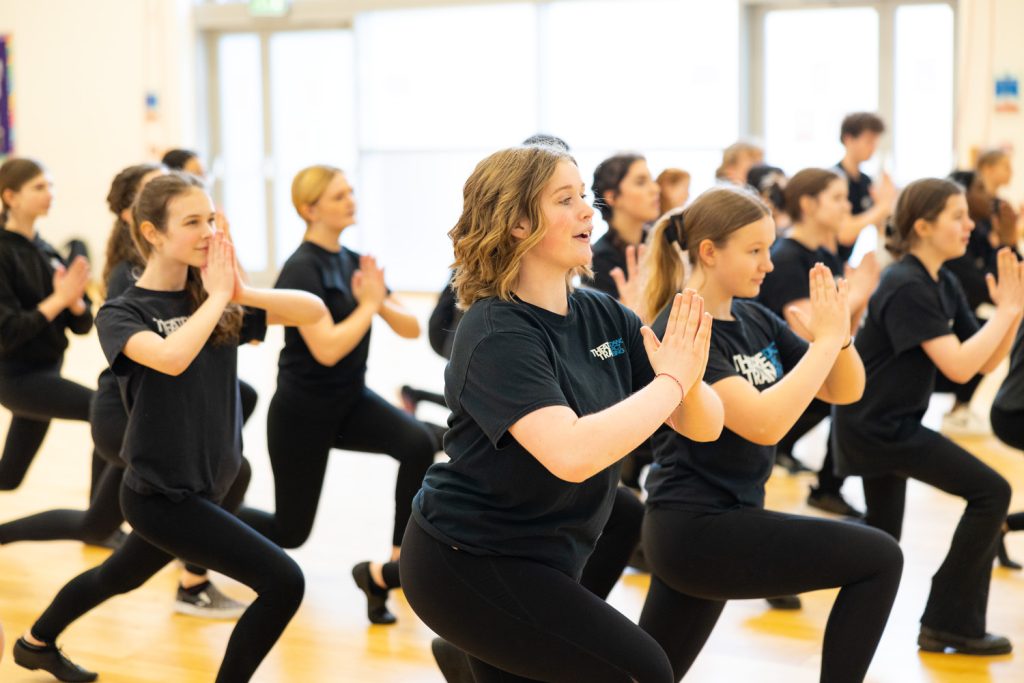
Building Body Confidence Through Dance
Dance is an excellent way for children to develop body confidence. As they learn various dance styles and movements, children develop a greater awareness of their bodies. This process helps them understand their physical capabilities and become more comfortable with how they look and move.
Whether it’s learning ballet, jazz, or contemporary dance, each style encourages children to express themselves physically. Over time, this helps them become more confident in their body’s movements and abilities, which can improve their self-esteem and overall sense of well-being.
Improving Posture and Physical Strength
One of the main benefits of dance is its ability to improve posture and physical strength. As children engage in various dance routines, they strengthen their core muscles, improve flexibility, and enhance their overall physical coordination.
This improvement in physical strength and posture contributes to a more confident stance and better body image. When children feel physically strong and capable, they are more likely to feel positive about their appearance and their body’s abilities.
Overcoming Insecurity Through Dance
Many children struggle with body image insecurities, especially in today’s media-driven world. However, dance provides a healthy way to overcome these insecurities by encouraging self-expression and body awareness.
In dance, children are encouraged to focus on the joy of movement rather than how they look. They learn to appreciate their body for what it can do, not just for how it appears. This shift in focus helps children develop a more positive relationship with their bodies, boosting both their confidence and self-esteem.
Self-Expression Through Movement
Dance is a unique form of self-expression that allows children to communicate their emotions and ideas through movement. This expressive aspect of dance encourages children to embrace their own style and individuality.
As children perform and express themselves through dance, they learn to appreciate the uniqueness of their bodies and movements. This process helps them feel more comfortable with who they are and more confident in their ability to express themselves physically.
The Psychological Benefits of Dance
Research shows that dance has numerous psychological benefits, including improved mood, reduced anxiety, and enhanced body image. A study from the University of Bristol found that regular participation in dance improves self-esteem and reduces feelings of body dissatisfaction in children.
By providing children with a space to celebrate their bodies and express themselves, dance helps foster a positive self-image. The sense of accomplishment children feel after mastering a routine or performing in front of an audience reinforces their body confidence and encourages them to continue developing their skills.
Dance as a Tool for Social Confidence
In addition to physical and psychological benefits, dance also helps children build social confidence. Dance classes are often group-based, allowing children to interact with peers and collaborate on performances.
Through these social interactions, children develop better communication skills, learn how to work as part of a team, and build friendships. These social connections help children feel more comfortable and confident in social settings, which can have a positive impact on their body image and overall confidence.
The Lasting Impact of Dance on Confidence
The confidence children gain from dance extends far beyond the dance studio. As they learn to appreciate their bodies and abilities, children develop a more positive attitude toward themselves.
This increased self-confidence translates into improved performance in school, stronger relationships with others, and a greater sense of well-being. Dance helps children develop both physically and emotionally, giving them the tools to face challenges with confidence and resilience.
Dance is a powerful tool for building body confidence in children. Through physical expression, improved posture, and self-acceptance, dance helps children develop a stronger, more positive relationship with their bodies. The confidence gained from dance has lasting benefits, boosting self-esteem and encouraging children to embrace their physical selves in all areas of life.