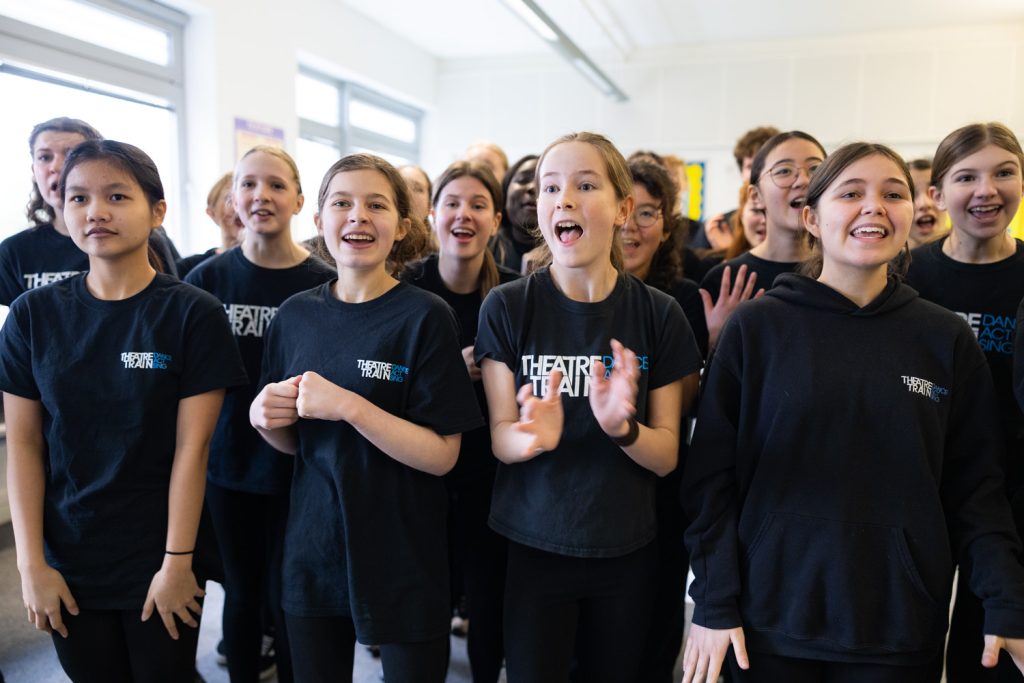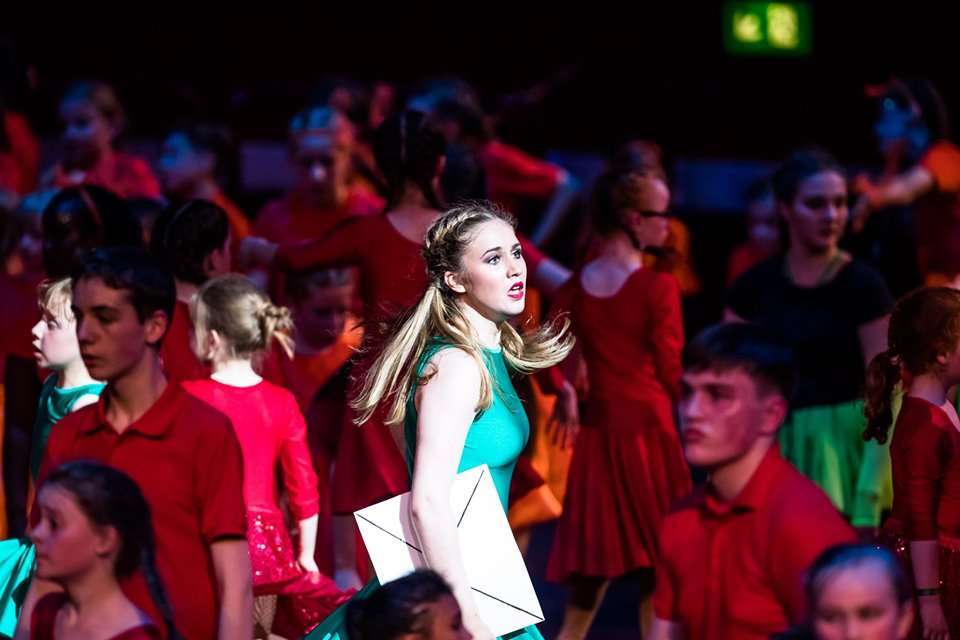
The brain on stage
Parents often see the joy on their child’s face after a rehearsal, but behind the smile, something extraordinary is happening. Neuroscientists have found that performing arts activate multiple brain regions at once — those linked to memory, language, motor skills, emotion and reward.
In other words, a drama or singing class isn’t just fun; it’s a full-brain workout. When children learn lines, sing in tune or move rhythmically, they strengthen neural pathways that support academic learning, social interaction and emotional wellbeing.
Memory and focus — the performer’s toolkit
Every script line or dance sequence demands concentration and recall. When children repeat scenes or songs, the brain’s hippocampus — the centre of memory — becomes more active. Over time, this practice sharpens working memory and focus, helping children retain information better in school too.
Teachers often notice the change: children who take part in performing arts tend to concentrate longer and show improved listening skills. The discipline of remembering cues, lyrics and choreography trains the mind to stay engaged.
Coordination and body awareness
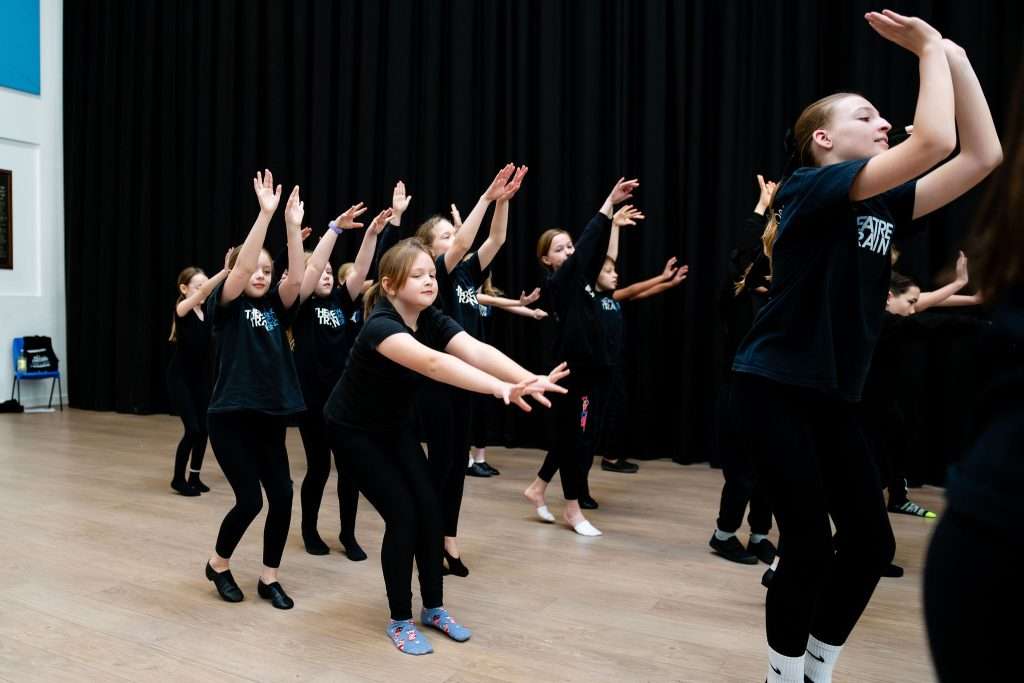
Theatre and dance integrate the brain’s motor and sensory systems. Movement routines help children map how their bodies relate to space and rhythm. This improves coordination, balance and physical confidence.
But it also enhances something subtler: proprioception — the brain’s sense of body awareness. Children who understand their own physical presence often move more confidently through daily life, both literally and socially.
The chemistry of confidence
One reason children feel uplifted after performing is chemical. Performing releases dopamine, the brain’s “reward” neurotransmitter. Dopamine creates feelings of pleasure, motivation and satisfaction.
At the same time, performance reduces cortisol — the stress hormone — when done in a supportive environment. The result? Children leave class energised, relaxed and happy. Over time, this healthy brain chemistry contributes to emotional stability and confidence.
Empathy through acting
When children step into a character’s shoes, they activate the brain’s “mirror neuron system” — the same network involved when we experience empathy. By pretending to be someone else, young actors actually practise recognising and sharing emotions.
This isn’t just play; it’s neurological training for understanding others. Studies show that children involved in drama often display stronger emotional intelligence and social awareness. They learn to read facial expressions, tone and intention — vital skills for relationships and leadership.
Creativity and problem-solving
Improvisation — a key part of Theatretrain’s classes — stimulates the brain’s prefrontal cortex, which governs flexible thinking and decision-making. In improvisation, children learn to make quick, creative choices under gentle pressure.
This type of “cognitive flexibility” supports innovation and adaptability. Whether your child is solving a maths problem or navigating a friendship, that same mental agility comes into play.
Language, rhythm and music
Singing and speech work hand in hand in the brain. Music engages language centres in the left hemisphere while stimulating pattern and emotion processing in the right. This cross-hemisphere communication enhances linguistic ability, listening and pronunciation.
Children who take part in regular singing and rhythm work often show measurable gains in reading fluency and vocabulary. Performing arts literally tune the brain for communication.
Emotional regulation through performance
Performing also strengthens the brain’s limbic system — responsible for managing emotions. When children act out joy, fear or anger in a safe, creative space, they practise controlling and expressing emotions constructively.
This helps them handle real-life situations more calmly. The ability to recognise feelings and express them healthily supports resilience and mental wellbeing throughout adolescence and beyond.
The social brain
Theatre is a shared experience. Rehearsals require collaboration, trust and timing. Neuroscientists call this “social synchrony” — the brain aligning with others during cooperative tasks.
When children perform together, their brains literally start to sync. This promotes empathy, cooperation and social bonding — powerful ingredients for healthy peer relationships and confidence in group settings.
Why this matters to parents
Understanding the science behind performing arts changes how we value them. Theatre isn’t an extracurricular luxury — it’s brain-building education. It nurtures creativity, emotional balance and communication in ways no textbook can replicate.
When parents enrol their children in drama, singing and dance classes, they’re not just opening the door to performance; they’re investing in neurological growth and lifelong skills.
Theatretrain’s holistic approach
At Theatretrain, classes are designed to engage mind, body and heart. Every activity — whether a movement sequence, vocal warm-up or acting game — supports development across multiple areas of the brain.
Children leave class feeling accomplished, joyful and more self-assured, not realising they’ve also strengthened memory, empathy and focus. It’s fun with a scientific foundation.
If you’d like your child to boost their confidence, focus and creativity through the proven power of performing arts, explore Theatretrain today. Find your nearest class and discover how theatre training helps children grow inside and out at www.theatretrain.co.uk.