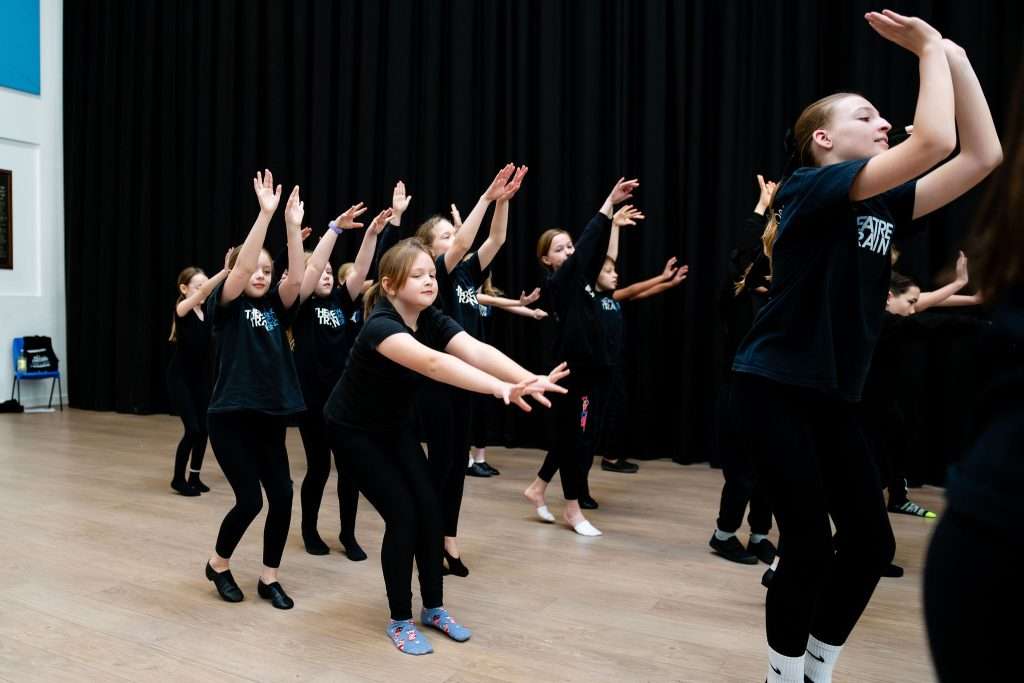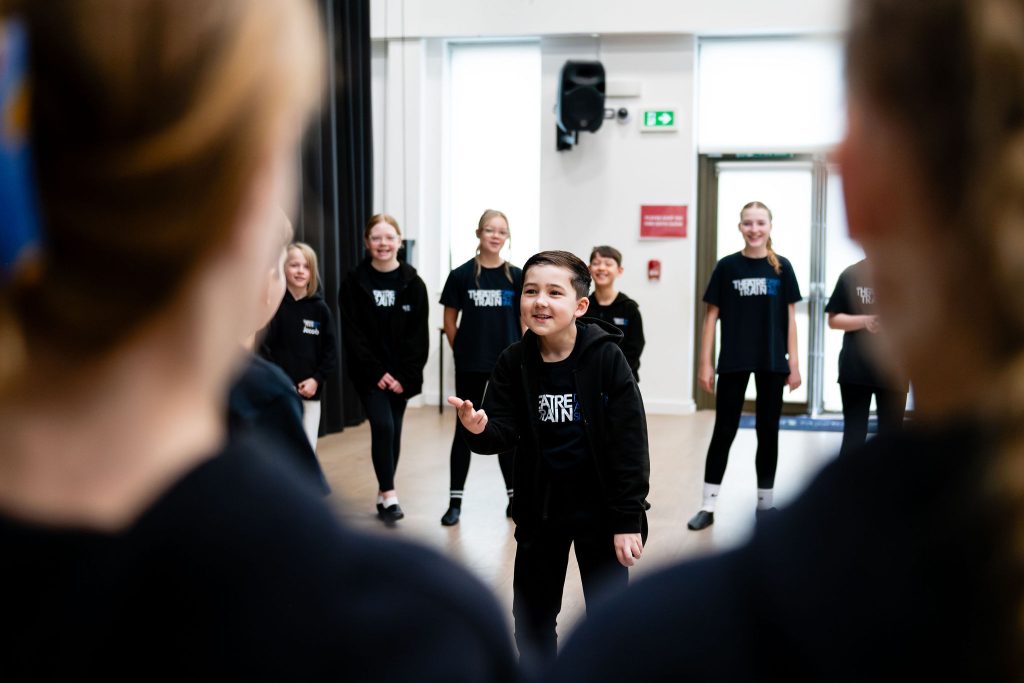
In an increasingly disconnected world, fostering a sense of belonging among young people is more important than ever. Theatre provides a unique environment where individuals can connect, collaborate, and build meaningful relationships. At our theatre school, we prioritise creating a supportive community that nurtures young performers and fosters a sense of belonging.
One of the key aspects of theatre is its collaborative nature. Participants work together to create a shared vision, whether through acting, set design, or stage management. This collaborative process not only enhances teamwork skills but also cultivates friendships and a sense of camaraderie among peers. Young people who participate in theatre often find themselves surrounded by like-minded individuals who share their passion for the arts, creating a strong support network.
Additionally, theatre provides a safe space for self-expression. Young performers are encouraged to explore their emotions and tell their stories through their characters. This process helps individuals develop their identity and gain confidence in their unique voices. As they share their experiences on stage, they often find validation and acceptance from their peers, reinforcing their sense of belonging within the theatre community.
To encourage your child to explore the sense of belonging fostered by theatre, consider these strategies:
- Highlight the Collaborative Nature of Theatre: Discuss how working together fosters friendships and a sense of community.
- Promote Self-Expression Through Performance: Emphasise the importance of exploring emotions and sharing stories on stage.
- Encourage Participation in Theatre Groups: Enrol your child in local theatre programs to connect with others who share their passion.
In conclusion, theatre plays a vital role in creating a sense of belonging for young people by fostering collaboration and self-expression. By encouraging your child to engage in performing arts, you can help them build meaningful connections and find their place within a supportive community. If you’re interested in supporting your child’s journey in performing arts, visit www.theatretrain.co.uk for more information!