If you’re thinking about booking a Theatretrain taster, you may be wondering why it’s paid rather than free.
It’s a fair question.
Lots of children’s activities offer free trials, so it makes sense to ask what makes a Theatretrain taster different.
The simple answer is that we want your child to experience a real Theatretrain session, not a shortened or watered-down version.
Because what most parents are really trying to work out isn’t whether the session is worth £25.
It’s whether Theatretrain is right for their child.
That’s the question the taster is designed to help answer.
Why a Short Free Trial Can Be Misleading
When parents are considering a new activity, they’re often looking for answers to questions like:
Will my child enjoy it?
Will they settle?
Will they make friends?
Will they feel comfortable here?
The challenge is that most children don’t reveal all of that in the first few minutes.
I’ve seen children spend the first part of a session quietly observing what’s going on.
I’ve seen children who were nervous walking through the door become completely different once they’d settled into the group.
And I’ve seen children who weren’t sure they wanted to come arrive back the following week full of excitement.
Those things take time.
What Happens at a Theatretrain Taster?
A Theatretrain taster is the actual session.
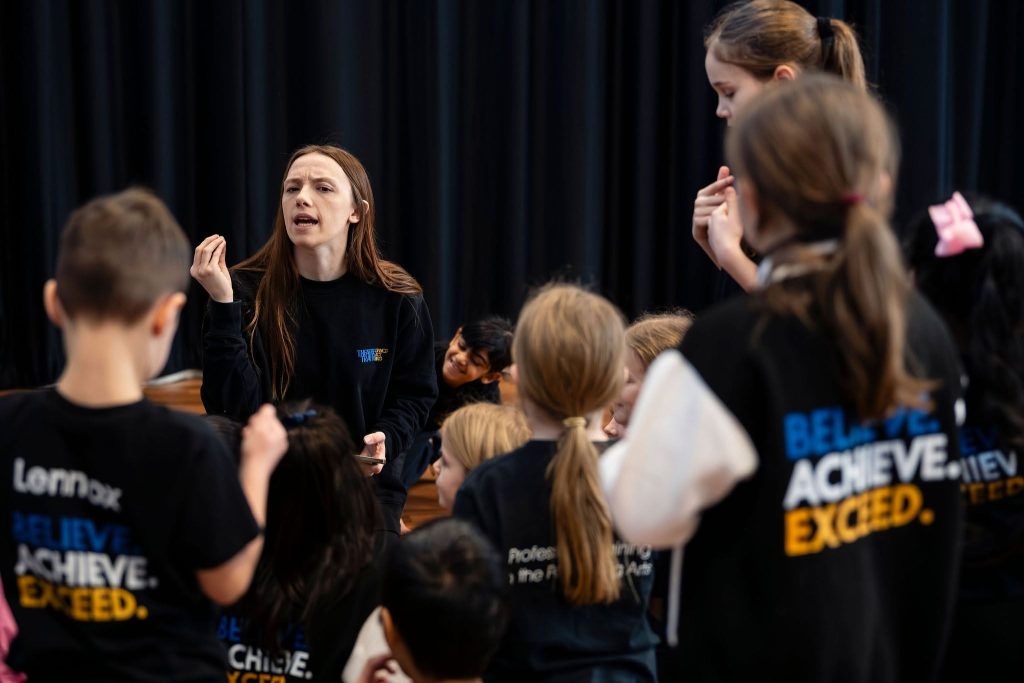
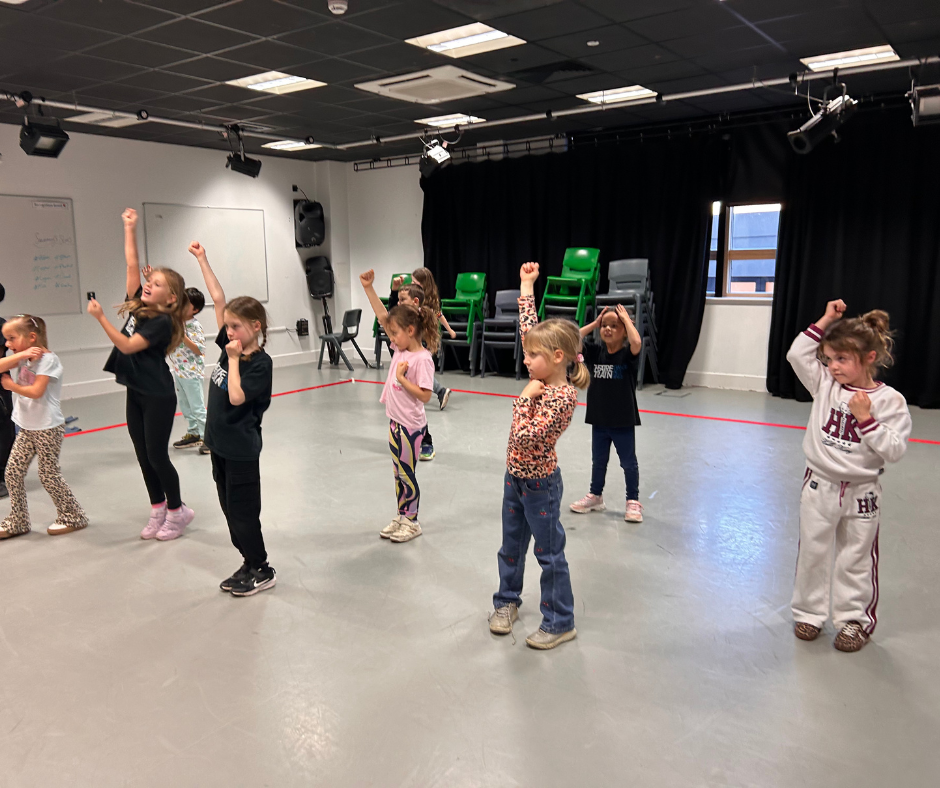
Main Company children join the full three-hour session. Minis join the full 90-minute session. They take part alongside our regular students and experience singing, dancing and drama with the same teachers, structure and atmosphere they would have if they joined
They take part in drama, dance and singing.
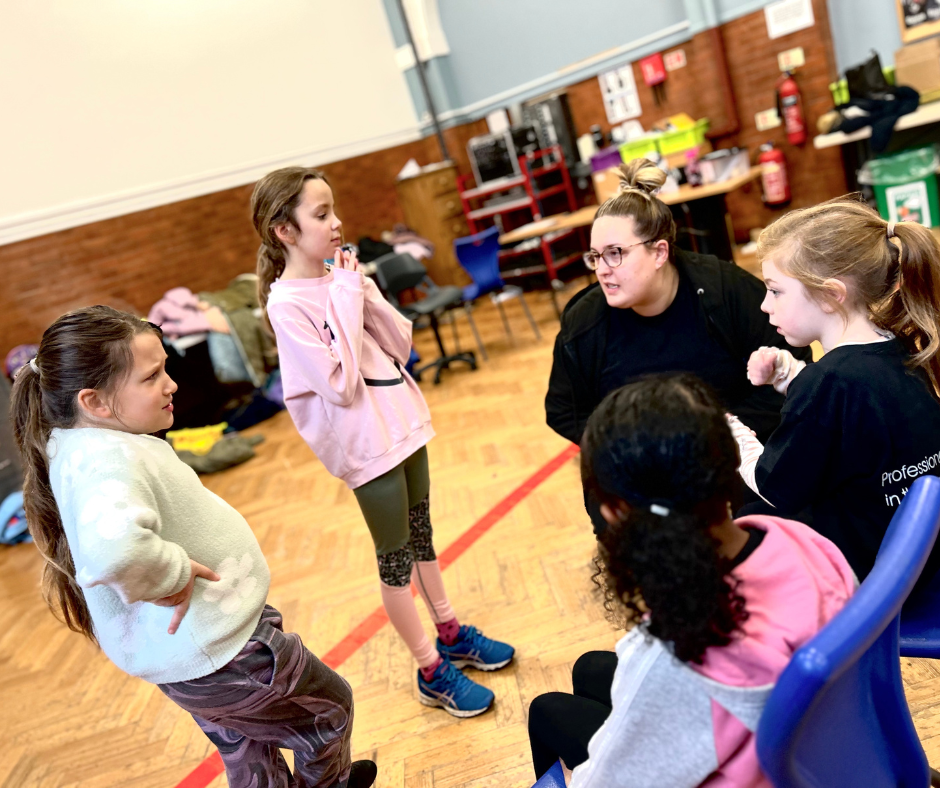
They meet the teachers.
They experience the structure of the session.
They get a genuine feel for what Theatretrain is actually like.
They’re not sitting on the side watching.
They’re part of the group.
And that’s important because it allows both children and parents to make a decision based on a real experience rather than a quick introduction.
How Long Is a Theatretrain Taster?
For our Main Company, children aged 6–18 take part in the full three-hour session.
For Theatretrain Minis, aged 4–5, the taster is the full 90-minute session.
That matters because it gives children time to settle, meet the teachers, join in properly and experience the session as it really happens each week.
One Thing I've Learned Over the Years
Parents often arrive hoping I’ll be able to tell them whether Theatretrain is right for their child.
The truth is, I can’t.
Their child can.
That’s why I never try to persuade somebody to join after ten minutes.
Or tell parents they’ll definitely love it before they’ve experienced a session.
The most useful information usually comes from watching how a child responds over the course of a real Theatretrain session.
Do they relax as the session goes on?
Do they start joining in?
Do they talk about it afterwards?
Do they ask questions on the way home?
Those things tell us far more than a short trial ever could.
What Parents Often Tell Me Afterwards
Interestingly, parents rarely talk about the singing, dance or drama first.
Instead they say things like:
“She seemed so much more comfortable than I expected.”
“He talked about it all the way home.”
“She was nervous beforehand but really enjoyed it once she settled.”
“I think we’ve got our answer.”
That’s because the taster isn’t really about assessing performance.
It’s about seeing how a child feels.
Why We Believe a Proper Experience Matters
Every Theatretrain taster includes the same teachers, classes and structure that our regular students experience every week.
We don’t run separate taster groups.
We don’t offer a watered-down version of the session.
We want parents to see the real thing.
Because choosing an activity for your child is an important decision.
And important decisions are easier when you have real experience to base them on.
A Chance to See It for Yourself
If you’re wondering whether Theatretrain would suit your child, a taster session is simply an opportunity to find out.
Not through guesswork.
Not through assumptions.
But by seeing how your child responds in a real Theatretrain session.
Many parents tell me that by the end of the morning, they have far more clarity than they did beforehand.
And whether the answer is yes, no or “I’d like to try a second session”, that’s valuable information.
Because ultimately, the goal isn’t to book a taster.
It’s to help you make the right decision for your child.
Frequently Asked Questions
How much is a Theatretrain taster?
A Main Company taster is £25. Minis taster is £15
How long is a Theatretrain taster?
Main Company tasters are the full three-hour session. Minis tasters are the full 90-minute session.
Does my child need any experience?
No. Children don’t need previous experience in singing, dancing or drama.
What if my child is nervous?
That’s completely normal. Some children join in straight away, while others need time to watch and settle before taking part.
Do we have to join afterwards?
No. The point of the taster is to help you decide whether Theatretrain feels right for your child.
Ready to See What Theatretrain Is Really Like?
If you’re wondering whether Theatretrain would suit your child, the best way to find out is to let them experience it properly.
A taster gives them the chance to join a real session, meet the teachers, take part with the group and see how they feel.