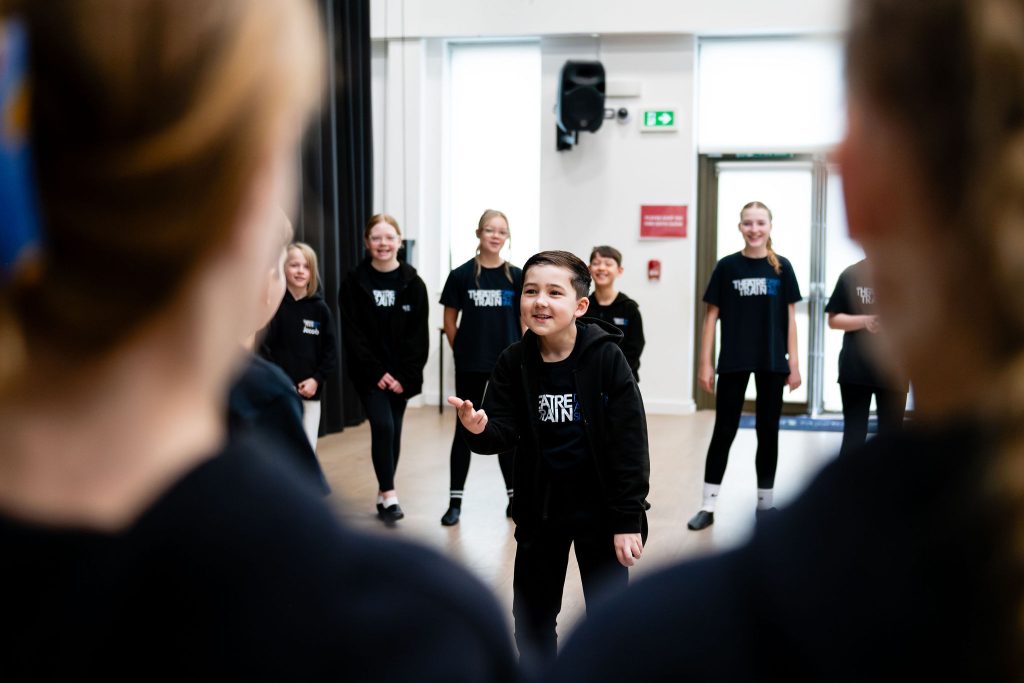
Music has always been an integral part of theatre, weaving its magic to enhance performances and elevate emotional expression. At Theatretrain, we emphasise the profound impact music can have on our students’ theatrical experiences, helping them connect with their characters and the audience on a deeper level.
Setting the Tone
Music sets the tone for a performance, creating an immediate emotional atmosphere. From the moment the overture begins, the audience is transported into the world of the story. For young performers, understanding how music can influence the mood of a scene is crucial. It helps them align their emotions and actions with the intended feel of the piece, making their performances more cohesive and impactful.
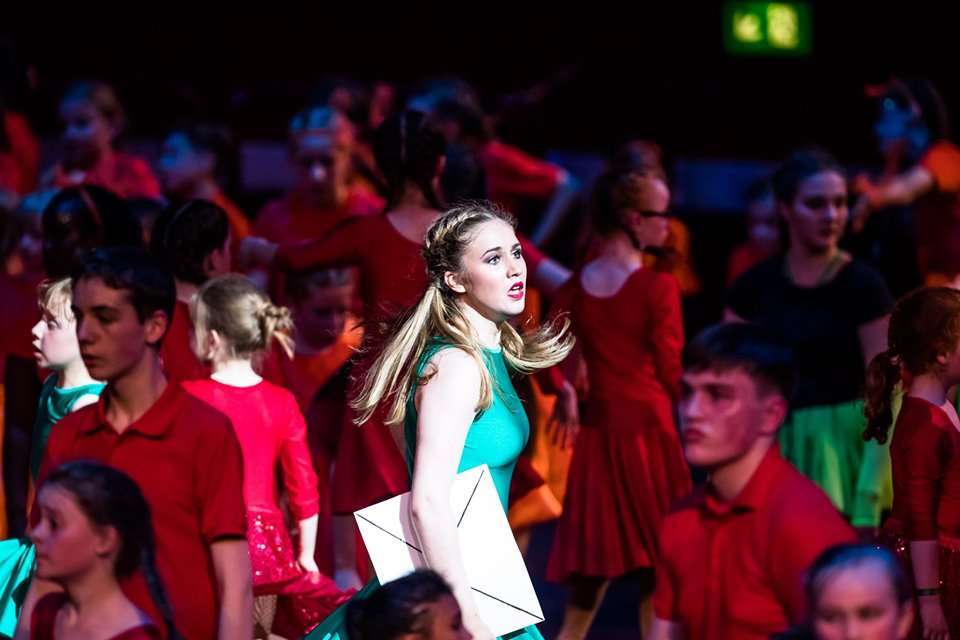
For example, in a recent production of “Matilda Jr.” at Theatretrain, the use of dynamic musical scores helped our students embody the whimsical and rebellious spirit of the characters. The lively tunes and poignant ballads allowed the performers to convey a wide range of emotions, from joy to defiance, effectively drawing the audience into the story.
Enhancing Character Development
Music aids in character development by providing cues about a character’s personality, background, and emotional state. Songs and musical motifs associated with specific characters can reveal their inner thoughts and feelings. At Theatretrain, we encourage our students to listen closely to their character’s musical themes and use them as a guide to inform their performances.
Consider Sophie, a Theatretrain student who played Annie in our production of “Annie Jr.” The hopeful and resilient spirit of Annie was beautifully underscored by the song “Tomorrow.” By connecting with the song’s lyrics and melody, Sophie was able to channel Annie’s optimism and determination, delivering a heartfelt and memorable performance.
Facilitating Emotional Expression
Music is a powerful tool for emotional expression, allowing performers to convey complex feelings that might be challenging to articulate through words alone. For young actors, music provides a safe and expressive outlet to explore and portray a wide range of emotions. This can be particularly beneficial for those who may struggle with verbal expression or confidence.
At Theatretrain, we use music to help our students tap into their emotions and bring authenticity to their performances. Whether it’s a powerful ballad or an upbeat ensemble number, music encourages students to connect with their characters and the story on an emotional level, enhancing their overall performance.
Boosting Confidence and Engagement
Incorporating music into theatre training also boosts confidence and engagement. Singing and dancing to musical numbers require a combination of vocal and physical coordination, encouraging students to step out of their comfort zones and embrace the joy of performance. The supportive environment at Theatretrain helps students build self-esteem as they master new skills and perform in front of an audience.
Conclusion
Music is a vital component of theatre, enriching performances and deepening emotional connections. At Theatretrain, we harness the power of music to help our students grow as performers and individuals. By integrating music into our training programs, we ensure that our students not only become skilled actors but also confident and expressive artists.
So, let your child experience the magic of music in theatre. It’s a journey that promises to be both transformative and exhilarating, paving the way for them to shine on stage and beyond.