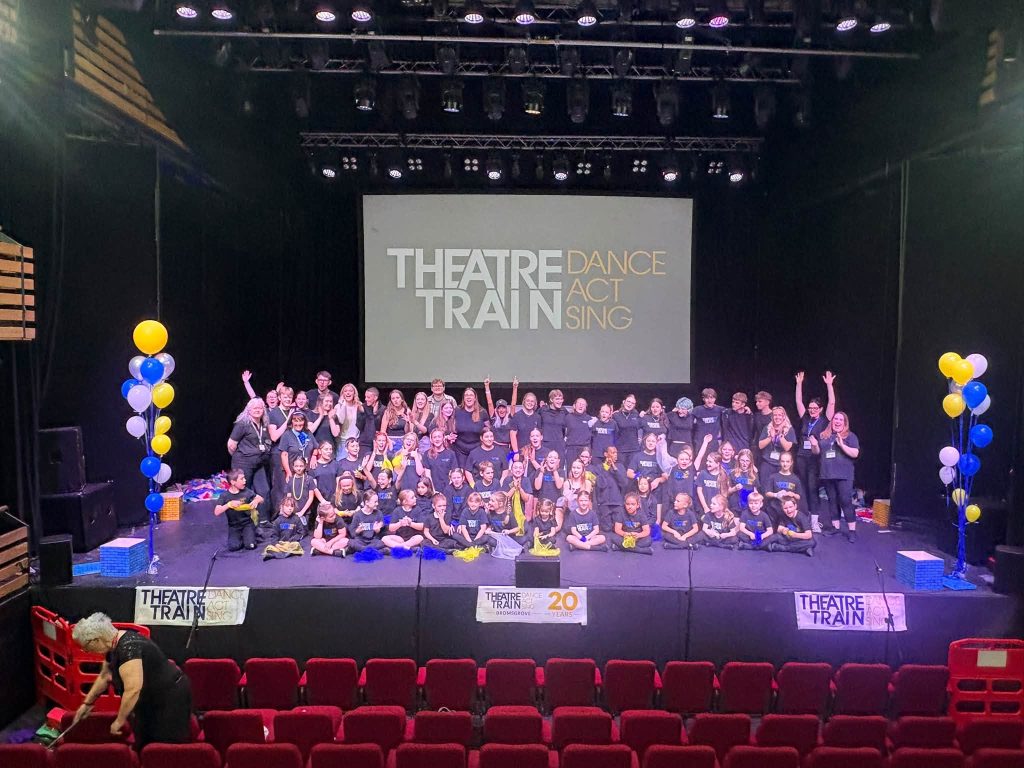
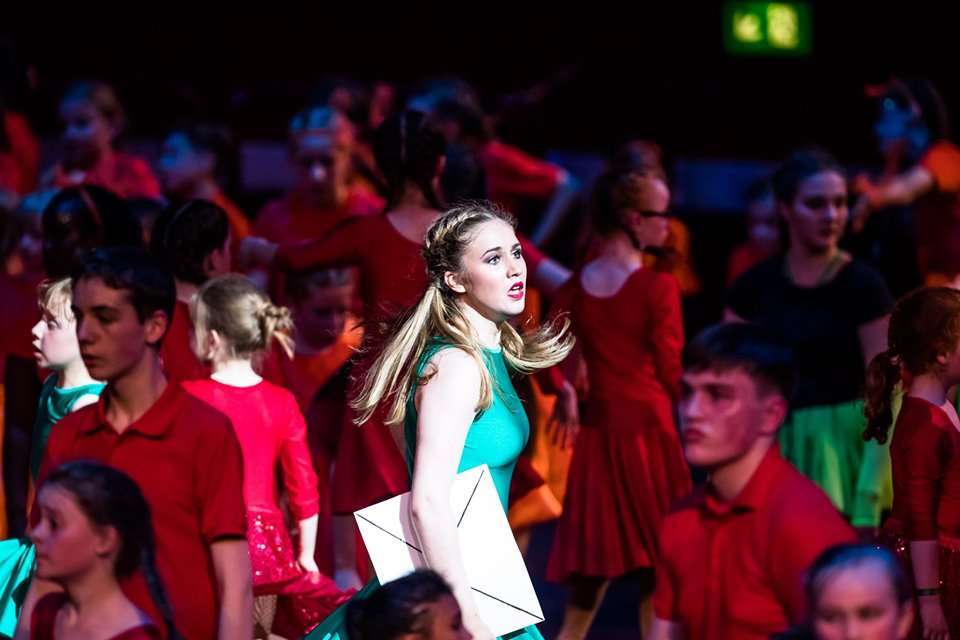
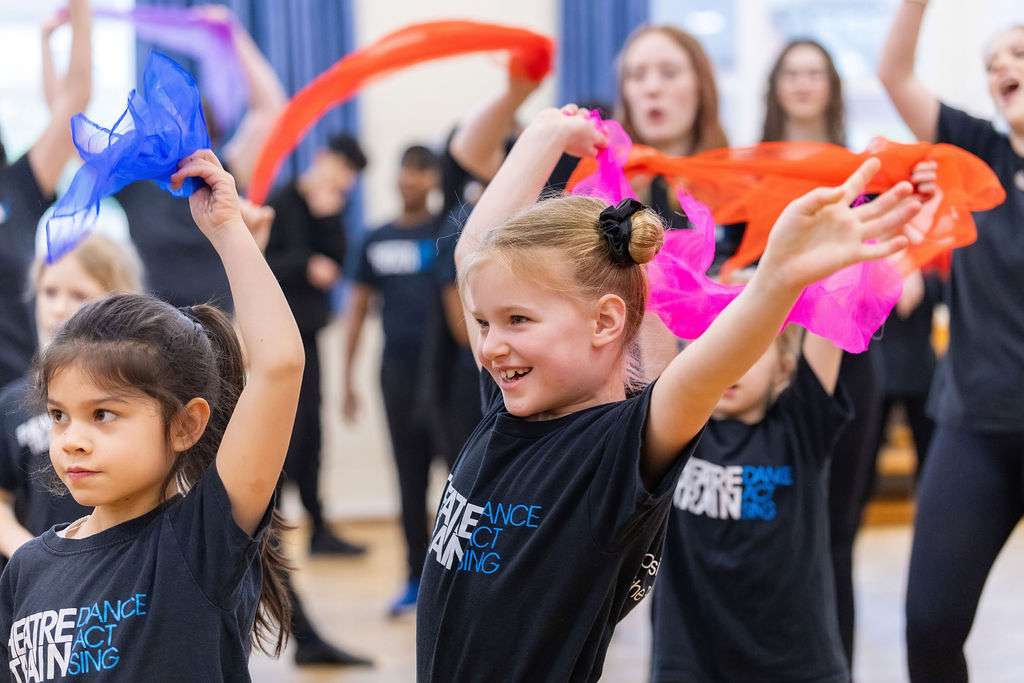
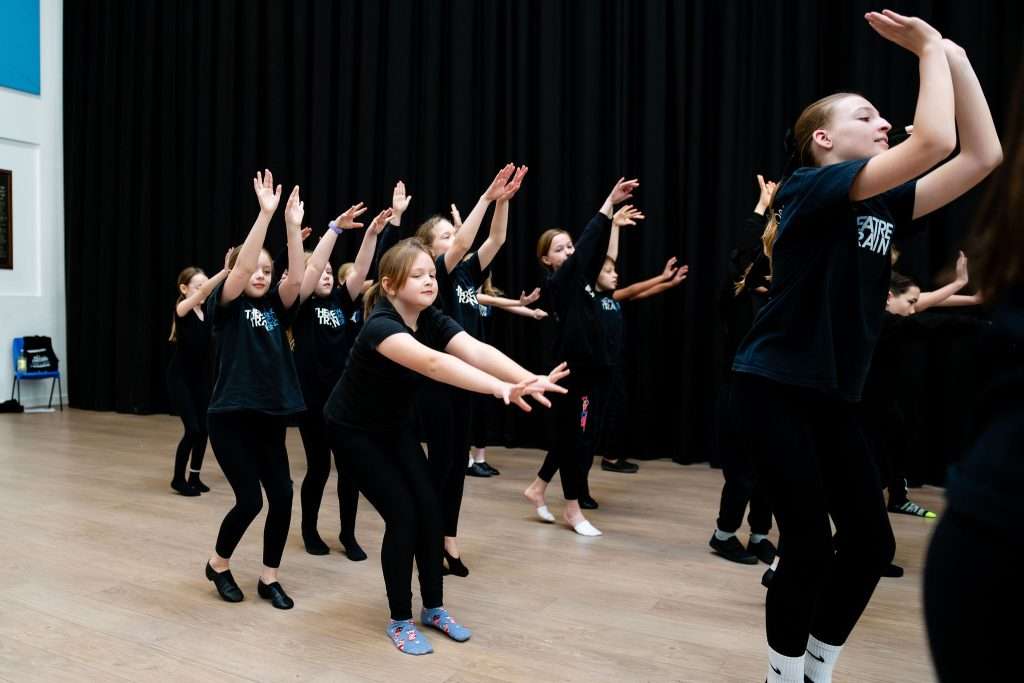
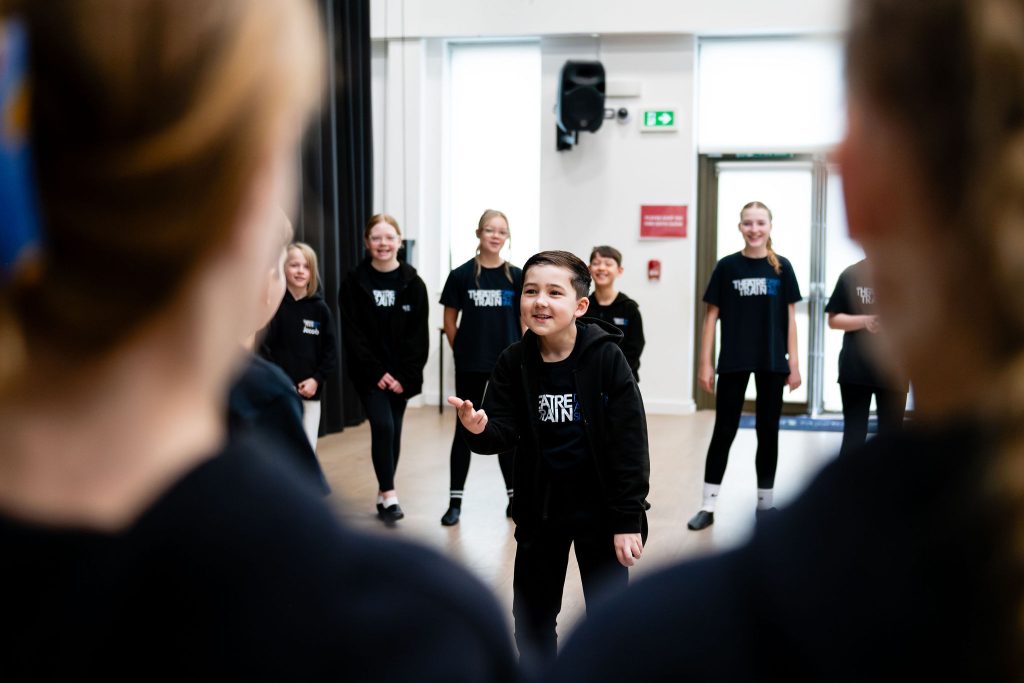
Success in the performing arts depends on more than just talent — it takes teamwork, trust, and a commitment to something greater than yourself.
For young people, working in a theatre production is often their first experience of genuine collaboration. From casting to curtain call, they discover how important it is to rely on others — and be someone others can rely on too.
Learning to Work as a Team
Every performance is a group effort. Whether you’re delivering a monologue or moving sets, you’re part of a whole.
Children learn:
- To listen and respond
- To respect each role in the production
- To value the contribution of every team member
This teamwork mindset carries over into group projects at school, sports, and future workplaces.
Building Trust on Stage and Off
In rehearsals, students must take risks — trying new movements, delivering lines with emotion, and receiving feedback. To do that, they need to feel safe.
Over time, they:
- Build trust with instructors and castmates
- Learn to offer and accept constructive feedback
- Develop mutual respect
These trusting relationships build self-esteem and encourage openness.
Responsibility and Reliability
There’s no “winging it” in a production. Children are expected to:
- Memorise lines
- Show up on time
- Be ready to perform
This develops a sense of personal responsibility and accountability — habits that benefit them in school and life.
Creativity Through Collaboration
Collaborative creativity is powerful. Children learn to:
- Blend ideas
- Compromise on direction
- Celebrate collective wins
They discover that the best ideas often emerge from listening and building on others’ contributions.
Problem Solving in Real Time
What happens when a line is forgotten or a prop breaks? Performing arts teach children to think on their feet. These moments develop:
- Calm under pressure
- Creative solutions
- Adaptability and quick decision-making
The Role of Rehearsal in Building Discipline
Repeated rehearsals teach the value of effort and improvement. Children realise that:
- Growth takes time
- Repetition leads to mastery
- Each person’s consistency affects the whole group
Friendship and Support Networks
Productions are emotional journeys. The shared highs and lows — from tech rehearsals to opening night — create strong friendships built on shared goals and mutual respect.
Famous Supporters of Teamwork in the Arts
Actor Emma Watson has spoken about her experience with theatre growing up, saying, “There’s something magical about creating something as a team.” That magic is the heart of performing arts.
How Parents Can Reinforce These Lessons
- Ask about their team role, not just their lines
- Celebrate ensemble scenes and backstage efforts
- Encourage commitment even when it’s tough
Final Thoughts
The performing arts are more than entertainment — they’re a training ground for life. Young performers learn to show up, speak up, and lift each other up.