At home, your child chats away.
They sing.
They tell stories.
They negotiate like a lawyer when they want an extra biscuit.
They have plenty to say.
Then you take them somewhere new and suddenly they’re quiet.
Maybe their teacher describes them as shy.
Maybe they barely speak in group situations.
Maybe other adults don’t see the same confident child you see every day.
If that sounds familiar, you’re certainly not alone.
In fact, it’s one of the most common things parents talk to me about.
The Child You See at Home Is Still There
One of the biggest misconceptions about confidence is that children either have it or they don’t.
What I’ve noticed over the years is that confidence often depends on the environment.
At home, children know the rules.
They know the people.
They know what’s expected.
They feel safe.
In a new environment, all of those things change.
Suddenly they’re working out:
Who are these people?
What happens here?
What if I get something wrong?
Do I fit in?
That’s a lot for a child to process.
When a child is confident at home but quiet elsewhere, it often says more about the setting than the child.
Quiet Doesn't Always Mean Unconfident
One thing I’ve learned from working with children is that quiet and unconfident aren’t the same thing.
Some children walk into a room and jump straight in.
Others prefer to watch first.
They look around.
They listen.
They work out what’s happening.
Then they decide whether they feel comfortable joining in.
Just because a child isn’t saying much doesn’t mean they’re not engaged.
In fact, some of the quietest children are often paying the closest attention.
What I Often See at Theatretrain
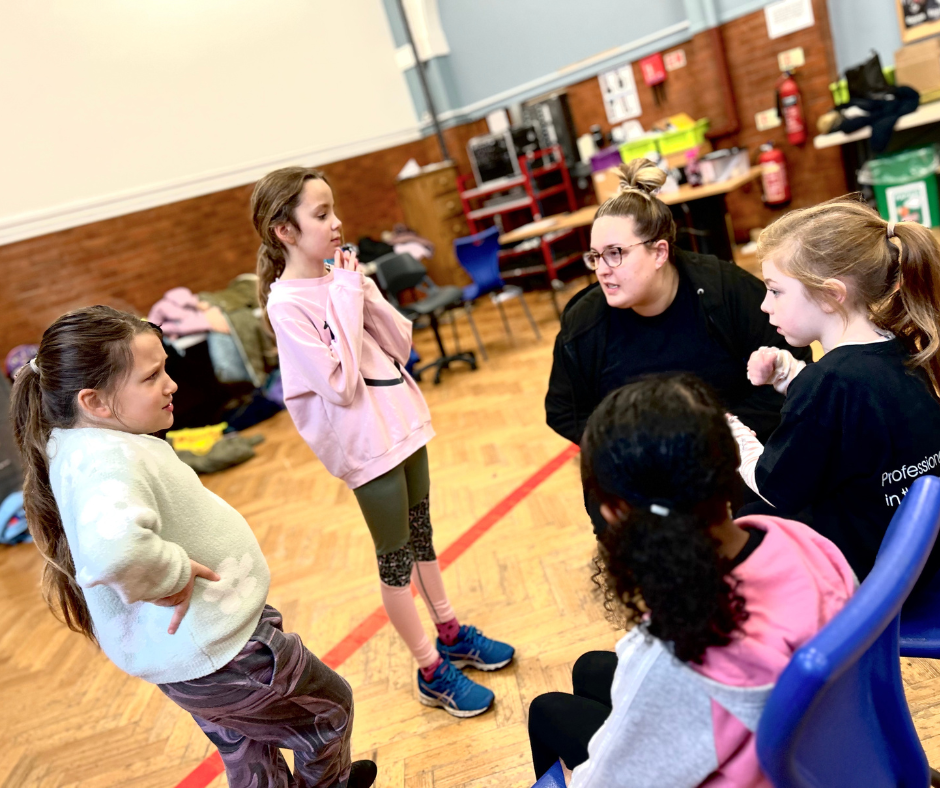
I’ve had parents warn me before a taster session that their child probably won’t join in.
That they’re very shy.
That they don’t speak much around new people.
Then I watch that child spend the morning carefully observing everything that’s happening.
They’re following the activities.
Watching the other children.
Taking it all in.
Maybe they only join in a little at first.
Maybe they spend part of the session watching.
Then something interesting happens.
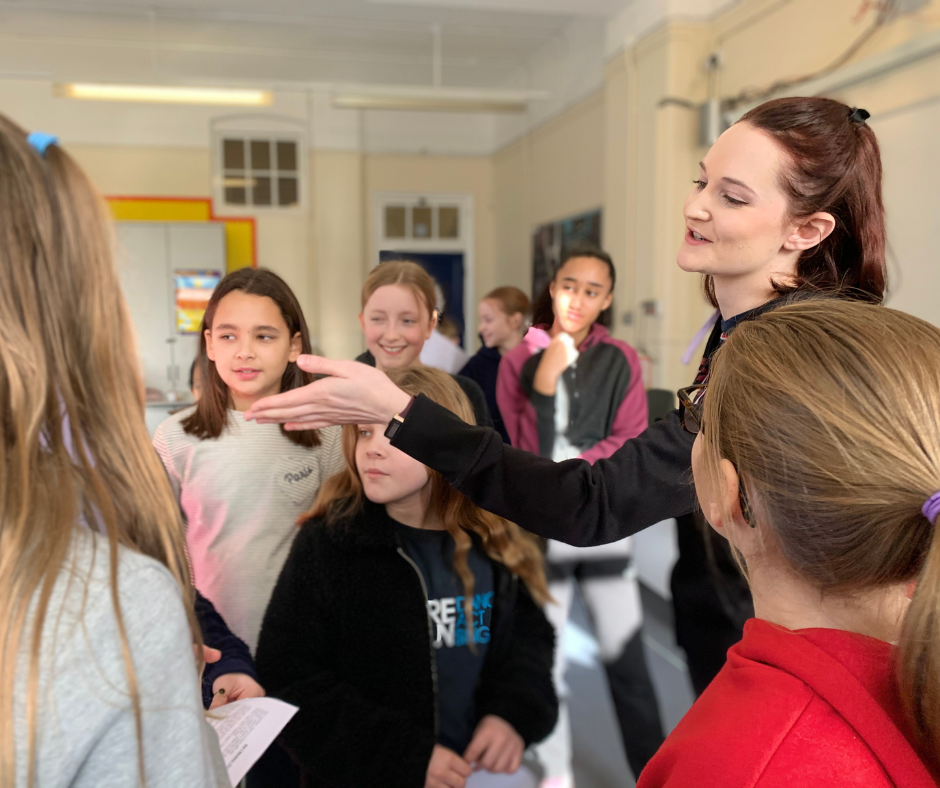
The following week they join in a bit more.
A few weeks later they’re chatting to another child during break.
A few months later they’re volunteering ideas in drama.
The confident child was there all along.
They just needed time to feel comfortable enough to show it.
Why Parents Sometimes Worry
I completely understand why parents worry about this.
You know what your child is like at home.
You can see their personality.
Their humour.
Their creativity.
Their confidence.
And it can be frustrating when other people don’t get to see that version of them.
Sometimes parents start wondering whether they should be doing more.
Whether they should push their child harder.
Whether they’re somehow holding them back.
Most of the time, that’s not the issue.
What Helps Children Like This Most
One thing I’ve noticed is that children who are confident at home often thrive when they’re given:
Time to settle
A predictable routine
Supportive adults
Opportunities to participate without pressure
A chance to build relationships gradually
The children who settle best aren’t usually the ones who are pushed to join in straight away.
They’re the ones who are given enough time to understand the environment and feel comfortable within it.
The First Signs of Growing Confidence
Parents sometimes expect confidence to appear as a child suddenly becoming loud and outgoing.
In reality, it often starts much smaller than that.
A child mentions a new friend’s name.
They answer a question without being prompted.
They volunteer an idea.
They walk into an activity more comfortably than they did before.
These moments are easy to overlook.
But they’re often the first signs that confidence is growing.
A Question Worth Asking
If your child is confident at home but quiet elsewhere, it might be worth asking yourself:
Do they have a place outside home where they feel comfortable being themselves?
Not somewhere they’re being assessed.
Not somewhere they’re worried about getting things wrong.
Just somewhere they can gradually build relationships, try new things and grow in confidence at their own pace.
Because when children find an environment where they feel comfortable, something wonderful often happens.
Other people finally get to see the child you’ve known all along.