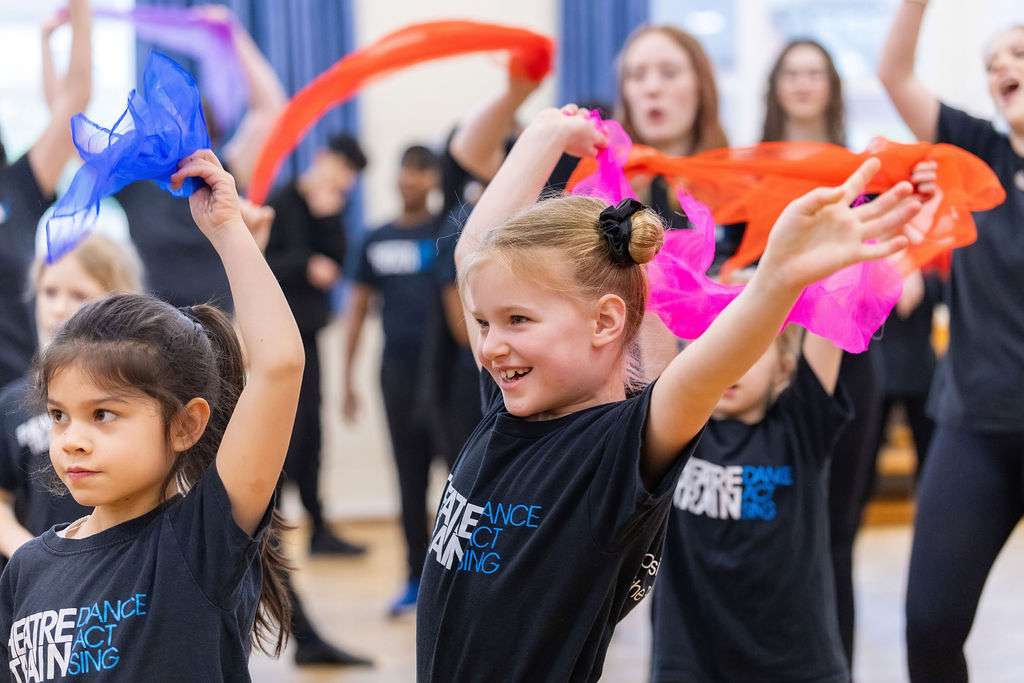
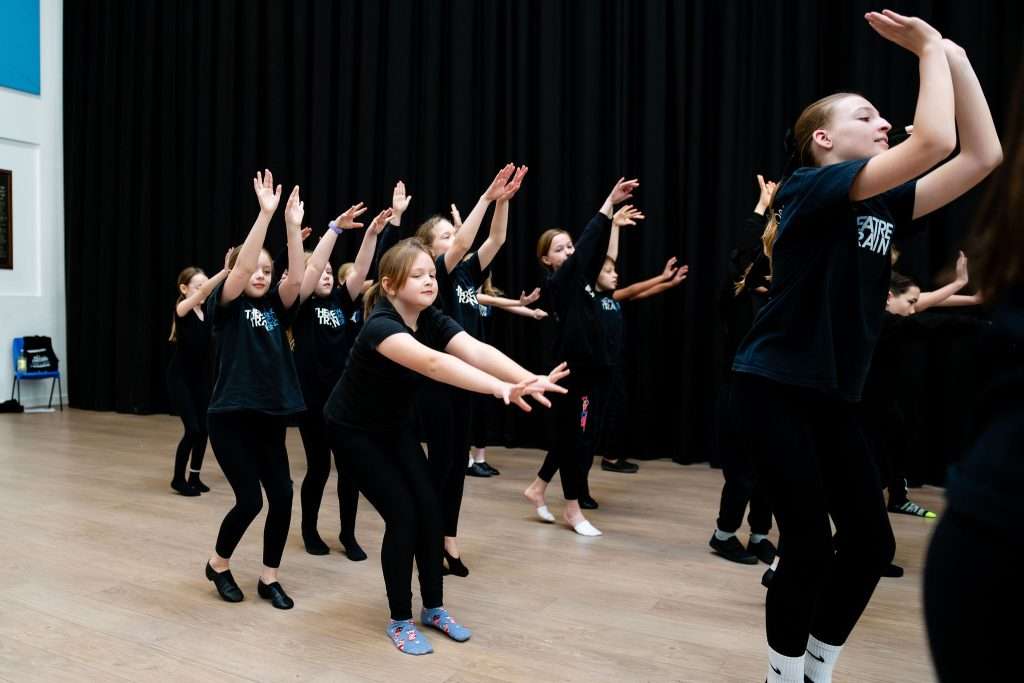
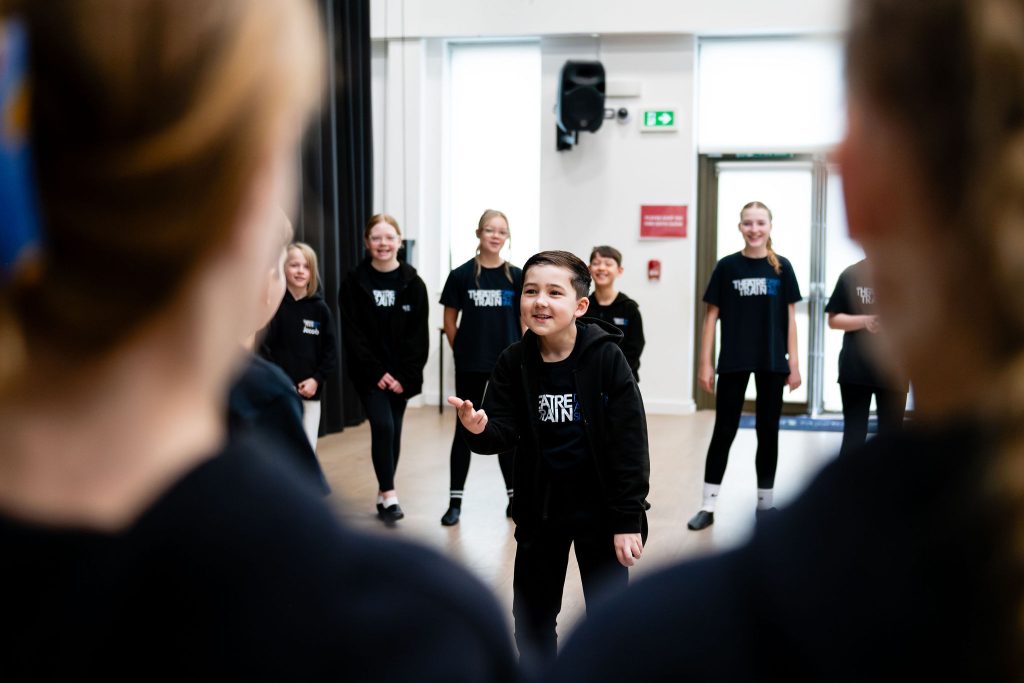
In a world filled with distractions and constant stimulation, fostering mindfulness in young people has become increasingly important. At our theatre school, we believe that dance is a powerful tool for promoting mindfulness and helping students connect with their bodies. Through movement, young people learn to focus on the present moment, enhancing their self-awareness and emotional well-being.
Dance encourages students to pay attention to their bodies and movements, fostering a greater understanding of their physical selves. As they learn various dance styles and techniques, young people develop body awareness, helping them recognise how their bodies feel during different movements. This heightened awareness not only enhances their dancing but also promotes a deeper connection to their physicality, allowing them to better manage stress and anxiety.
Moreover, the creative expression found in dance allows young people to explore their emotions in a unique and dynamic way. Movement becomes a form of communication, helping students articulate their feelings when words may fail. By expressing themselves through dance, young people can process their emotions, enhancing their emotional intelligence and resilience.
To help your child cultivate mindfulness through dance, consider these strategies:
- Encourage Participation in Dance Classes: Look for dance programs that emphasise mindfulness and body awareness, providing a supportive environment for exploration.
- Promote Movement at Home: Create opportunities for your child to engage in movement and dance at home, encouraging self-expression and creativity.
- Foster Reflective Practices: Encourage your child to reflect on their experiences in dance, discussing how it makes them feel and how they connect with their bodies.
- Celebrate Their Progress: Acknowledge and celebrate your child’s efforts in dance, reinforcing the positive impact of movement on their emotional well-being.
In conclusion, dance classes serve as a valuable means of promoting mindfulness and self-awareness in young people. By connecting with their bodies and expressing themselves through movement, students enhance their emotional wellbeing and develop essential life skills. If you’re interested in supporting your child’s journey through dance, visit www.theatretrain.co.uk for more information!