The misconception of performance
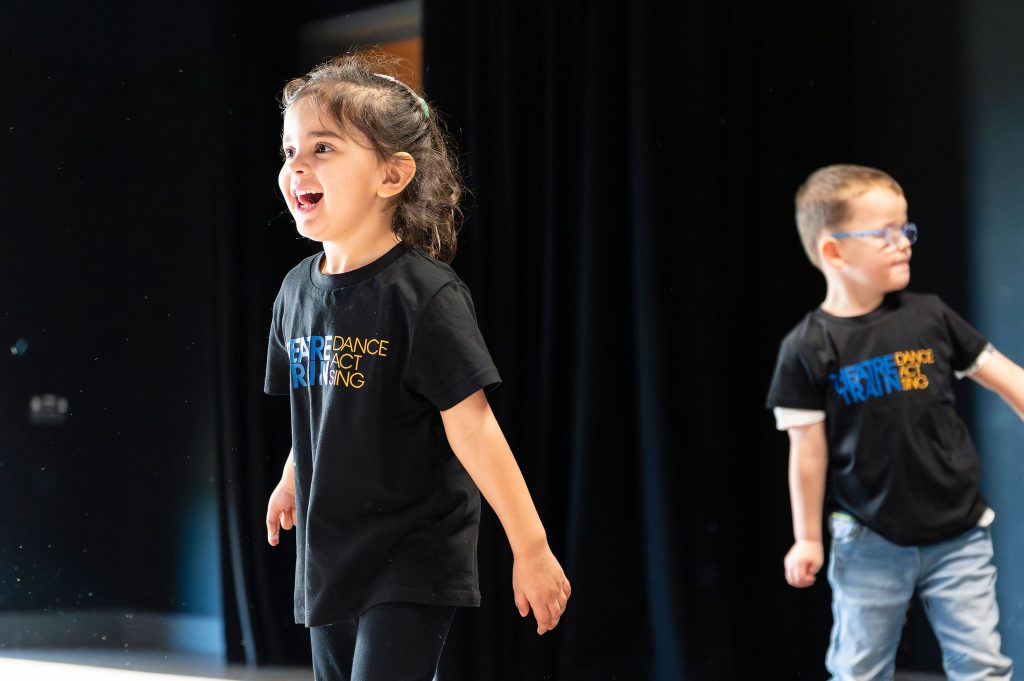
Many parents initially picture theatre classes as a path to stardom. While a handful of pupils may one day tread the boards professionally, the real goal is personal growth. Performing arts classes — like those at Theatretrain — focus on developing skills that underpin success in every area of life: communication, cooperation, self-discipline and creativity.
The emphasis isn’t on producing celebrities, but capable, confident young people ready for the world.
Communication that connects
Few skills are more valuable than clear, confident communication. Through acting and singing, children learn how to speak so others listen — not just with volume, but with presence and sincerity. They practise eye contact, body language, timing and tone.
These habits soon appear in the classroom: clearer presentations, stronger writing, and a willingness to raise a hand and share an opinion. Theatre provides the training ground for articulate, expressive children who can connect meaningfully with others.
Teamwork in action
A production succeeds only when everyone works together. From the leading role to the backstage helper, every participant learns how essential cooperation is. Children must listen, compromise and support each other, discovering that their success depends on the group’s success.
This lesson, learned joyfully through rehearsal, becomes second nature. Later in life — whether on a sports team, a school project or in a workplace — they know instinctively how to collaborate, respect different viewpoints and bring out the best in others.
Resilience through repetition
Rehearsal is a powerful teacher. Lines are forgotten, songs go off-key, dances falter. Yet every setback offers a chance to improve. Through this process, children learn resilience: to take feedback gracefully, to try again, and to keep going when things get tough.
Unlike instant-gratification activities, theatre rewards persistence. When performance day arrives and everything finally clicks, children experience the deep satisfaction that only effort and endurance can bring.
Creativity that solves problems
Performing arts aren’t confined to scripts and choreography — they train the imagination itself. Improvisation teaches children to think quickly and flexibly, while choreography encourages spatial awareness and inventive movement.
These creative habits transfer beautifully into everyday problem-solving. Children who learn to “think on their feet” in a scene can also find fresh approaches to challenges at school, in friendships, or later in work and leadership.
Self-discipline disguised as fun
Behind every lively show lies structure and self-management. Memorising lines, practising choreography and attending rehearsals teach responsibility. Children learn that showing up matters — to their peers, their teacher and themselves.
This sense of accountability is one of theatre’s quietest yet strongest gifts. It builds maturity, helping children understand the link between preparation and achievement.
Confidence without arrogance
One of the most profound benefits of performing arts training is authentic confidence — not boastfulness, but calm assurance. On stage, children experience both vulnerability and courage. They learn that mistakes aren’t disasters, and that genuine strength comes from authenticity.
This grounded confidence supports them in all walks of life: job interviews, exams, presentations, or simply making new friends.
Empathy through perspective
Acting requires understanding characters — their emotions, backgrounds and motives. This practice develops empathy: the ability to see the world through someone else’s eyes.
Empathetic children are more likely to show kindness, tolerance and leadership. They read social cues, support others and form deeper relationships. It’s a skill that enriches every community they join.
Beyond applause: long-term benefits
Decades of research support what Theatretrain teachers witness weekly — that children involved in performing arts often show:
• Improved academic performance
• Greater emotional regulation
• Stronger social networks
• Higher self-esteem and goal setting
These outcomes stem from the layered learning that theatre naturally provides. It’s a holistic education — mind, body and heart — wrapped in creativity and fun.
Preparing children for life, not just the stage
Parents often describe theatre training as “the best investment” in their child’s development. It’s not because they expect fame, but because they see real change: independence, focus and joy.
Whether your child ends up a teacher, engineer, designer or doctor, the skills nurtured through performance will serve them every day. Theatre teaches how to adapt, to persevere, and to communicate with confidence — the hallmarks of future success.