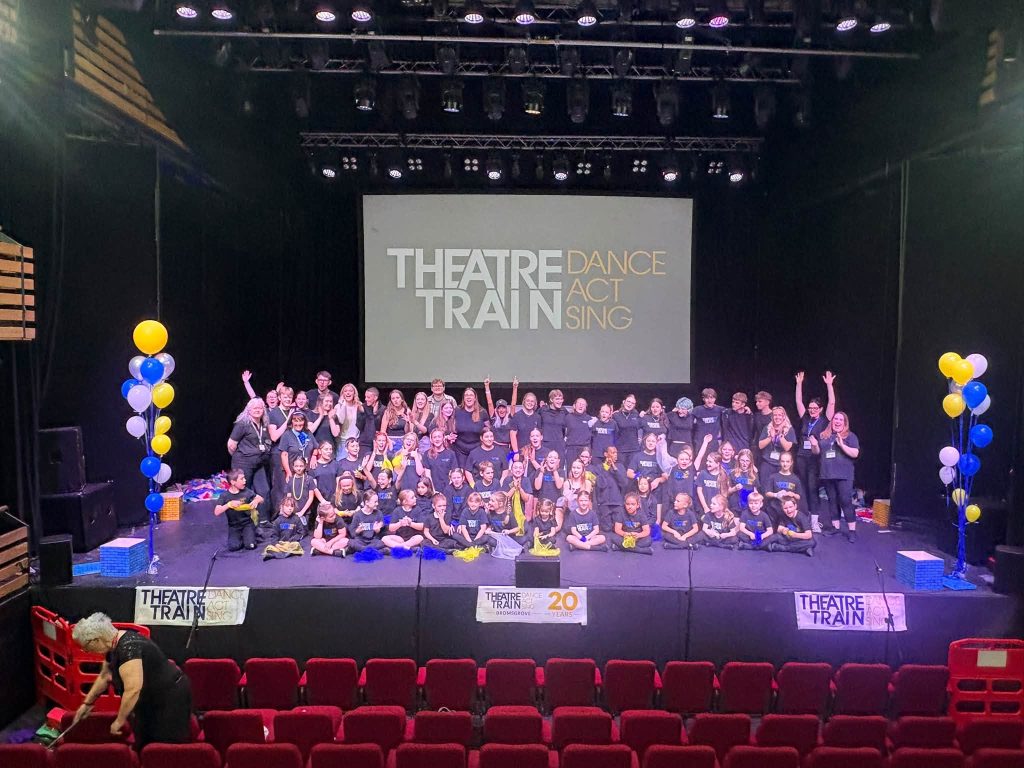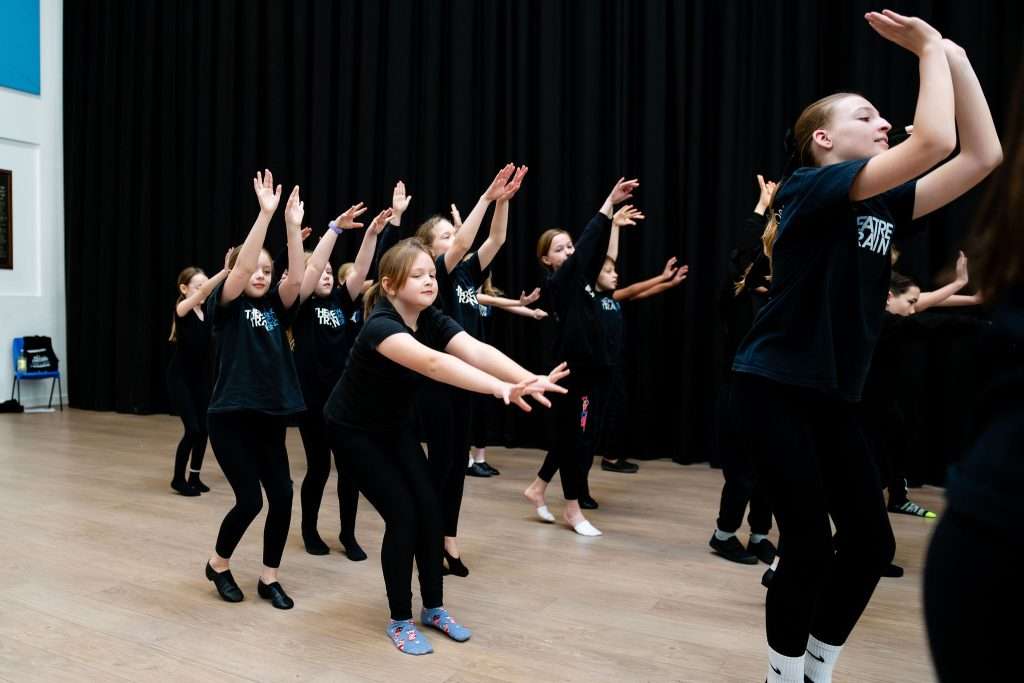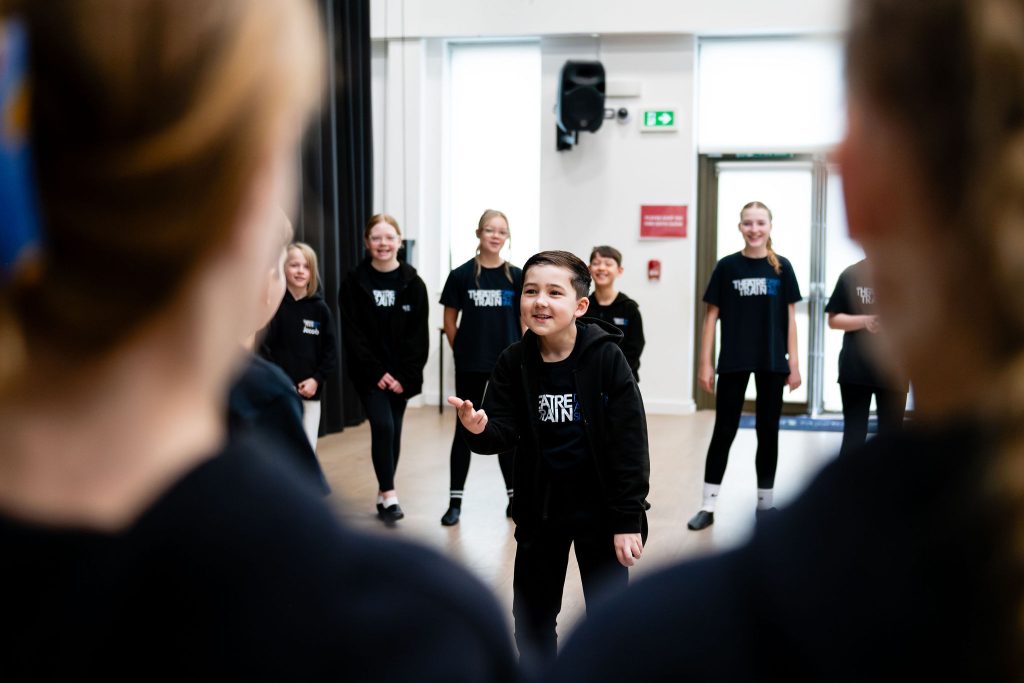
The influence of dance and music extends far beyond the stage, playing a significant role in shaping the careers of many successful professionals. From business leaders to creative innovators, individuals often credit their artistic backgrounds for fostering skills that are crucial in their respective fields. At our theatre school, we recognise the transformative power of dance and music in developing well-rounded individuals.
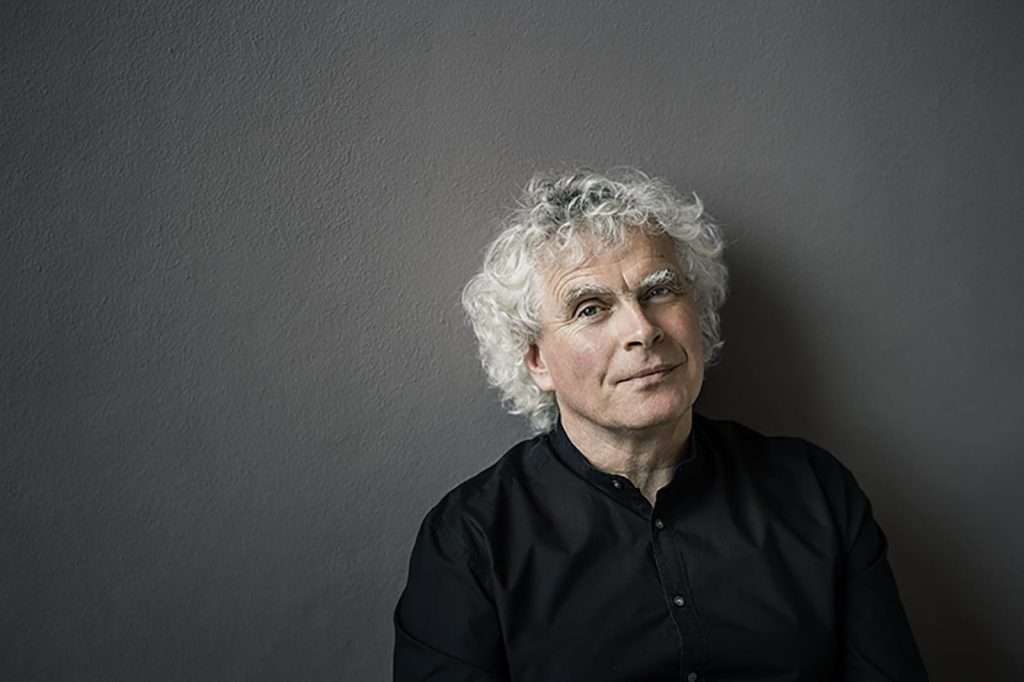
Many successful professionals highlight the importance of discipline and dedication that they learned through dance and music. The rigorous training involved in mastering an instrument or perfecting a dance routine instils a strong work ethic and perseverance. For example, famous composer and conductor Sir Simon Rattle has spoken about how his early experiences in music shaped his commitment to excellence in his career. The practice and dedication required to succeed in music directly translate to the demands of any professional field.
Additionally, the creativity fostered through dance and music encourages innovative thinking. Many entrepreneurs attribute their ability to think outside the box to their artistic backgrounds. The skills gained through artistic expression help individuals approach challenges with a fresh perspective, enhancing their problem-solving capabilities. For instance, award-winning designer and entrepreneur Vivienne Westwood has mentioned how her background in dance influenced her creative vision and approach to fashion.
To inspire your child to explore the world of dance and music, consider these strategies:
- Encourage Participation in Dance and Music Classes: Support your child’s involvement in artistic programs that cultivate their talents and skills.
- Highlight the Benefits of Artistic Expression: Discuss how creativity and discipline gained through the arts can enhance their future careers.
- Promote Networking Opportunities: Encourage participation in performances or events that connect them with professionals in various fields.
In summary, dance and music play a pivotal role in shaping successful professionals by fostering discipline, creativity, and innovative thinking. By encouraging your child to explore their artistic potential, you can help them develop essential skills for their future careers. If you’re interested in supporting your child’s journey in performing arts, visit www.theatretrain.co.uk for more information!