The Connection Between Dance and Confidence
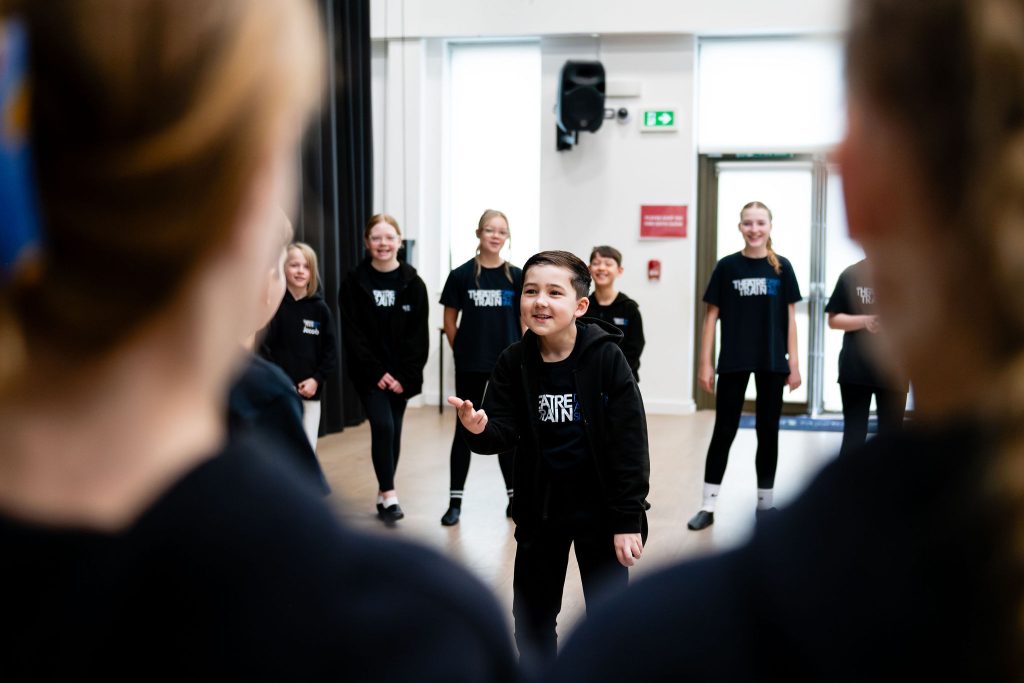
Dance requires children to step outside of their comfort zone, whether they are learning a new routine or performing for an audience. As they practise and refine their movements, children experience a sense of accomplishment that boosts their self-esteem.
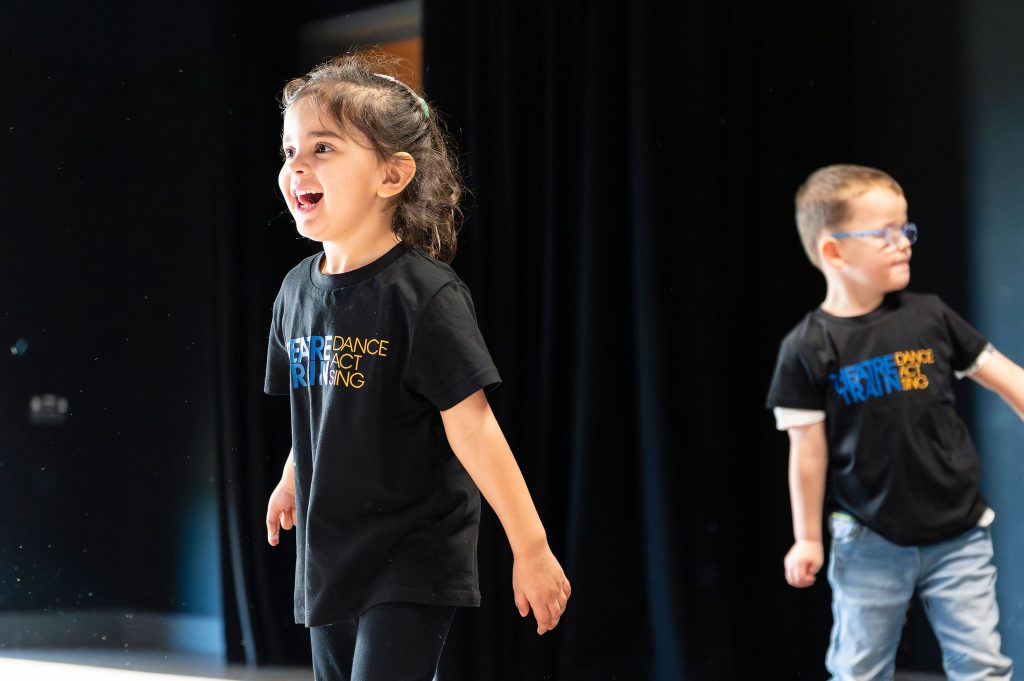
Moreover, dance offers children a physical outlet for expressing their emotions. By combining movement with music, children learn to communicate feelings such as joy, sadness, or excitement through their bodies. This expression helps build emotional awareness, which contributes to greater self-confidence.
The Discipline of Dance
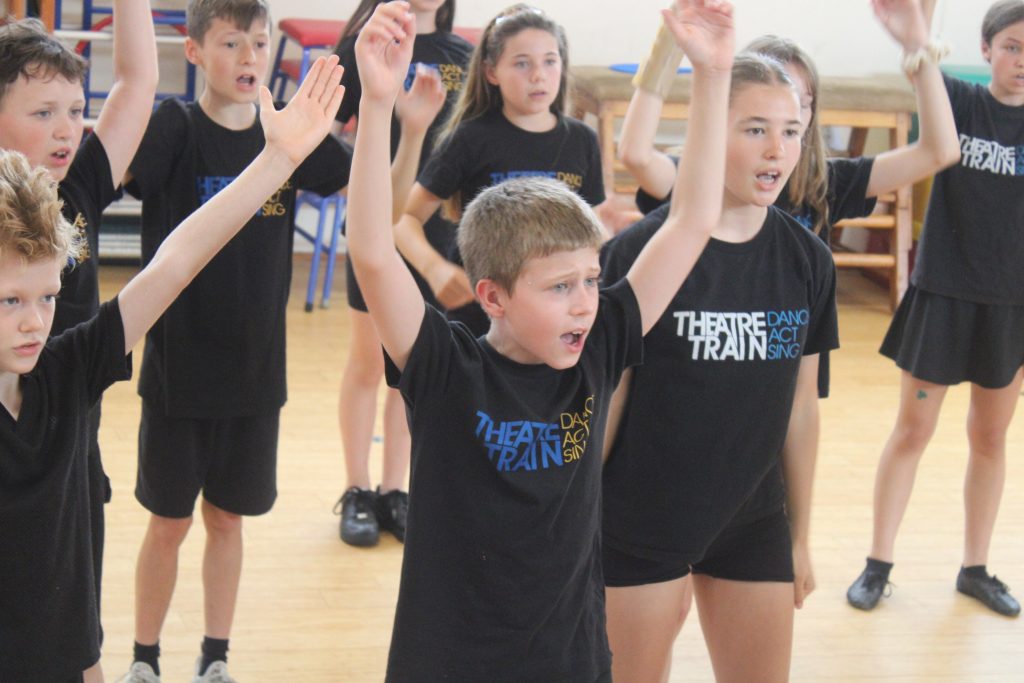
Dance is a highly disciplined activity that requires children to focus, practise regularly, and follow instructions. This discipline fosters a sense of responsibility and encourages children to set goals and work towards achieving them.
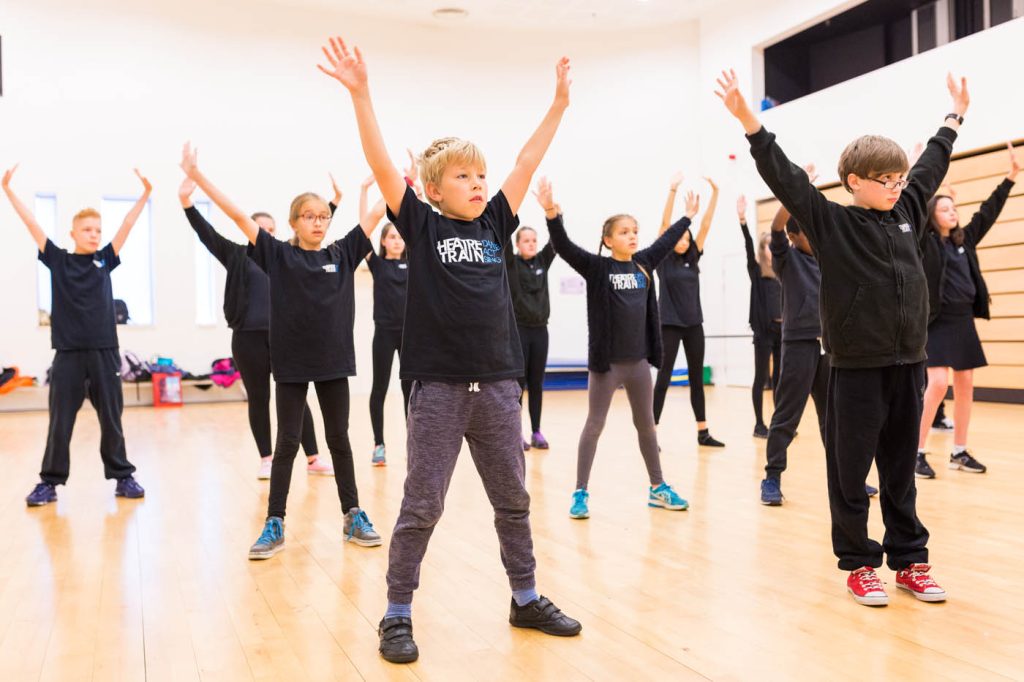
The structure of a dance class, with its warm-up exercises, routine rehearsals, and final performances, teaches children the importance of consistency and hard work. Over time, they begin to see the results of their effort, which reinforces their belief in their own abilities.
Improved Physical Confidence
Dance is a great way for children to improve their physical coordination and body awareness. As they learn different movements, their strength, flexibility, and posture improve. This increased physical confidence contributes to an overall sense of well-being, as children feel more in control of their bodies and their movements.
This physical improvement can extend to other areas of their life, as they gain a better understanding of how to move confidently in various situations, from walking into a room to speaking in public.
The Social Benefits of Dance
In addition to building confidence in a child’s physical and emotional self, dance classes offer social benefits as well. Dance is often performed in groups, which means children learn to collaborate and work as part of a team. This teamwork fosters communication, cooperation, and empathy—skills that are invaluable in both personal and academic settings.
How Dance Overcomes Fear
One of the most powerful ways dance builds confidence is by helping children overcome their fear of failure. In dance, mistakes are a natural part of the learning process. Rather than being discouraged, children are encouraged to embrace their missteps and learn from them. This mindset helps them overcome fear and become more resilient in other areas of their lives.
Building Self-Esteem Through Performance
Performing on stage is a significant milestone for many young dancers. The opportunity to showcase their hard work in front of an audience provides a sense of achievement and boosts their self-esteem. Whether they are part of a recital or a competition, performing on stage allows children to take pride in their abilities and feel validated for their efforts.
The Lasting Impact of Dance on Confidence
The confidence children gain through dance classes carries over into their everyday lives. They become more willing to try new things, whether it’s speaking in front of the class or making new friends. Additionally, the discipline and resilience they develop in dance provide them with the tools to tackle challenges and face difficult situations with a positive attitude.
Dance is a powerful tool for building confidence and discipline in children. Through dance, children gain physical, emotional, and social confidence that lasts a lifetime. Whether they are learning a new routine or performing for an audience, the skills they develop on the dance floor will help them succeed both in and out of the studio.