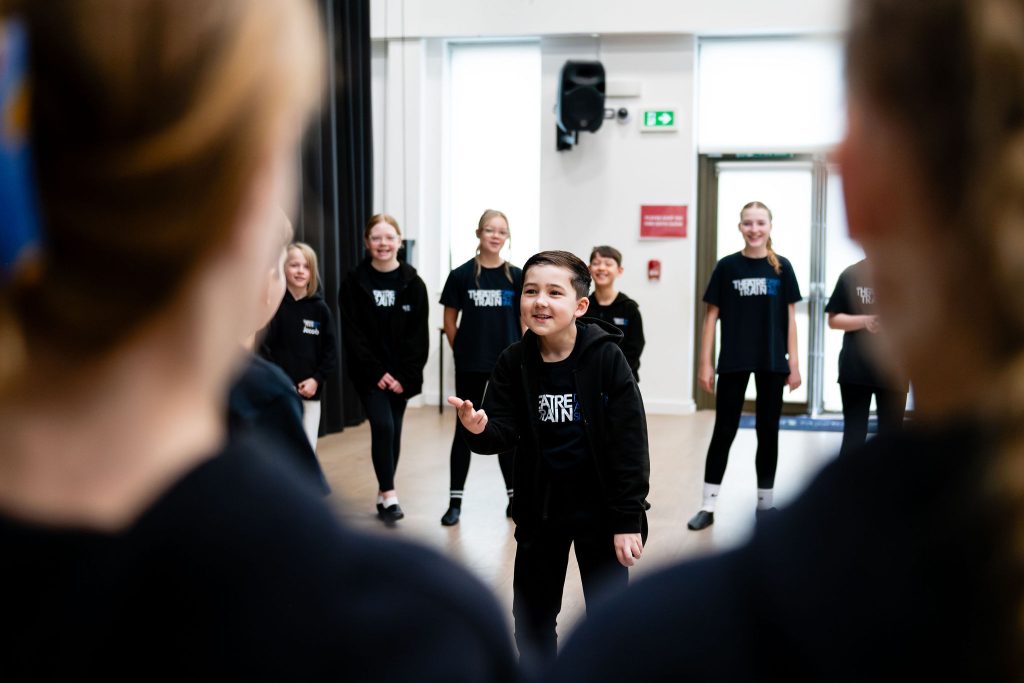
While the spotlight shines on stage, the benefits of performing arts reach far into the classroom. Far from being a distraction from academics, the arts actually enhance learning — in measurable and meaningful ways.
Boosting Brain Function
Neuroscience confirms that engaging in music, dance, and drama activates multiple areas of the brain. These areas are also responsible for:
- Memory
- Language processing
- Concentration
- Emotional regulation
This means children involved in the arts are often better equipped to handle academic challenges.
Improved Literacy and Language Skills
In drama, students constantly read, write, speak, and listen. These tasks build:
- Vocabulary
- Reading fluency
- Comprehension
- Verbal confidence
Performers must understand tone, intent, and narrative structure — all of which transfer to English and literacy studies.
Enhanced Memory and Focus
Memorising lines and choreography requires mental discipline. Students develop tools for:
- Retaining information
- Sustained concentration
- Pattern recognition
These skills apply directly to learning maths, science, and other subjects.
Creative Thinking in Problem Solving
Performing arts encourage “thinking outside the box.” Children learn to:
- Approach challenges creatively
- Link ideas across subjects
- Use storytelling to understand complex ideas
Emotional Regulation and Academic Confidence
Children involved in the arts often:
- Handle stress better
- Express frustration in healthy ways
- Believe more strongly in their own abilities
This emotional resilience supports classroom learning and behaviour.
Team Learning in Arts and Academics
Performing in a group teaches cooperative learning, a key approach in modern classrooms. Students learn to:
- Share responsibility
- Respect diverse ideas
- Learn through doing
What the Research Says
A report from the Arts Education Partnership found that students involved in the arts consistently outperform their peers in academic subjects and standardised tests.
Famous Supporters of Arts in Education
Actor and singer Julie Andrews said, “I think music and the arts should be a mandatory part of every school day.” Her belief is backed by research showing real academic benefits.
Tips for Parents
- Encourage your child’s arts involvement alongside school
- Highlight the connections between arts and academics
- Celebrate progress and curiosity, not just grades
Final Thoughts
The arts don’t compete with academics — they complement and enhance them. By engaging in theatre, dance, and music, students become more focused, expressive, and successful in school.
At Theatretrain, we believe the stage and the classroom go hand in hand. When young people perform, they don’t just entertain — they grow.