Performing Arts Builds Skills Children Use Every Day
Performing arts may look like fun from the outside, and of course it is.
But look closer.
There is focus.
There is listening.
There is growth.
Some lessons cannot be learned by being told. They have to be felt. They have to be practised. They have to be repeated until a child begins to understand, in their own way, that they are capable of more than they thought.
This is one of the great strengths of performing arts. It gives children a practical, creative route into life skills. They do not need to sit through a lecture about confidence or teamwork. They learn it by building something together.
And because the process is shared, children do not feel alone. They see others trying too. They see mistakes happen and get fixed. They see effort turn into progress. That can be wonderfully reassuring.
The Rehearsal Room Is a Practical Learning Space
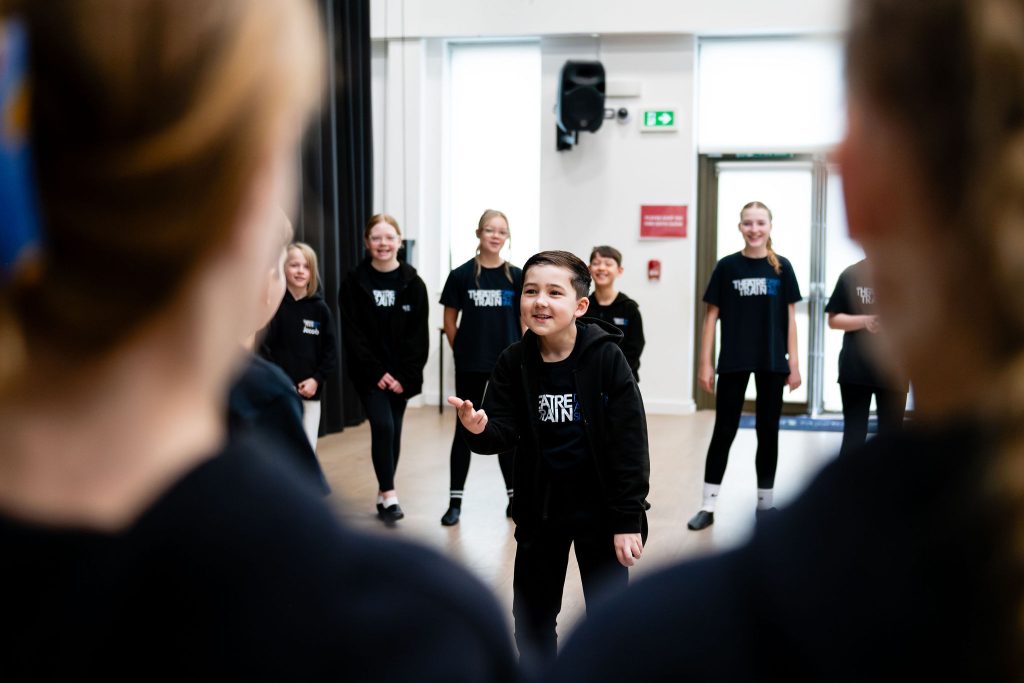
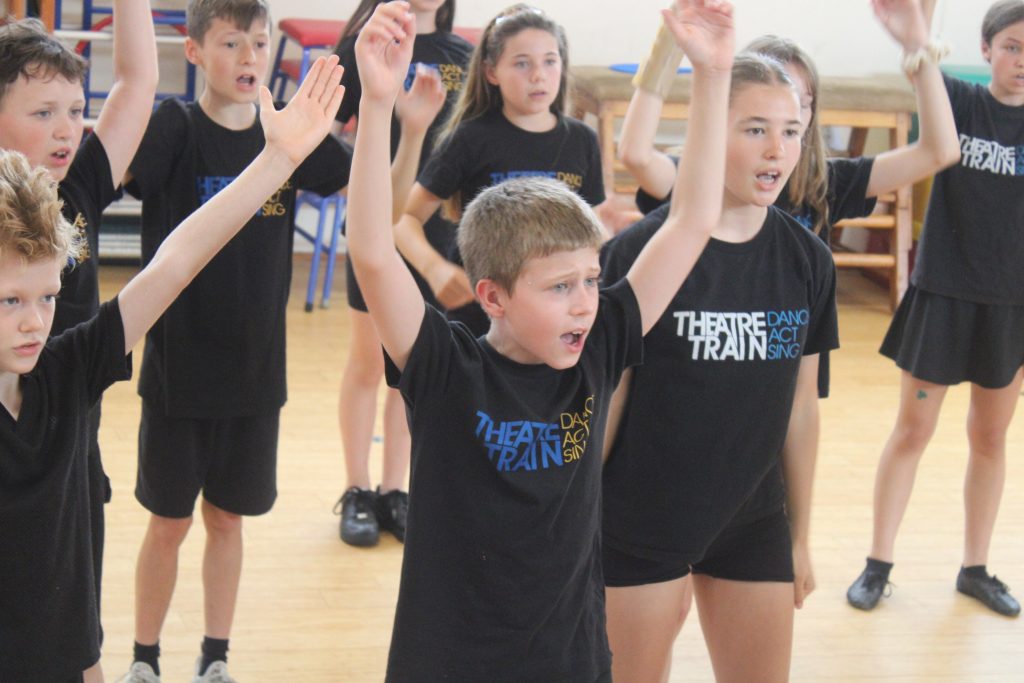
In rehearsal, children learn the difference between being present and simply being in the room. They cannot drift through a scene, a song or a dance without affecting the people around them. Their attention matters.
This is especially useful for a young person who may be learning how to manage energy, listen carefully or take responsibility within a group. The performing arts give immediate, practical feedback. If a cue is missed, the scene changes. If timing slips, the dance feels different. If a voice is missing, the song loses something.
Rather than feeling negative, this helps children understand how valuable they are. They see that their part, however small, contributes to the whole.
How Each Discipline Supports Development
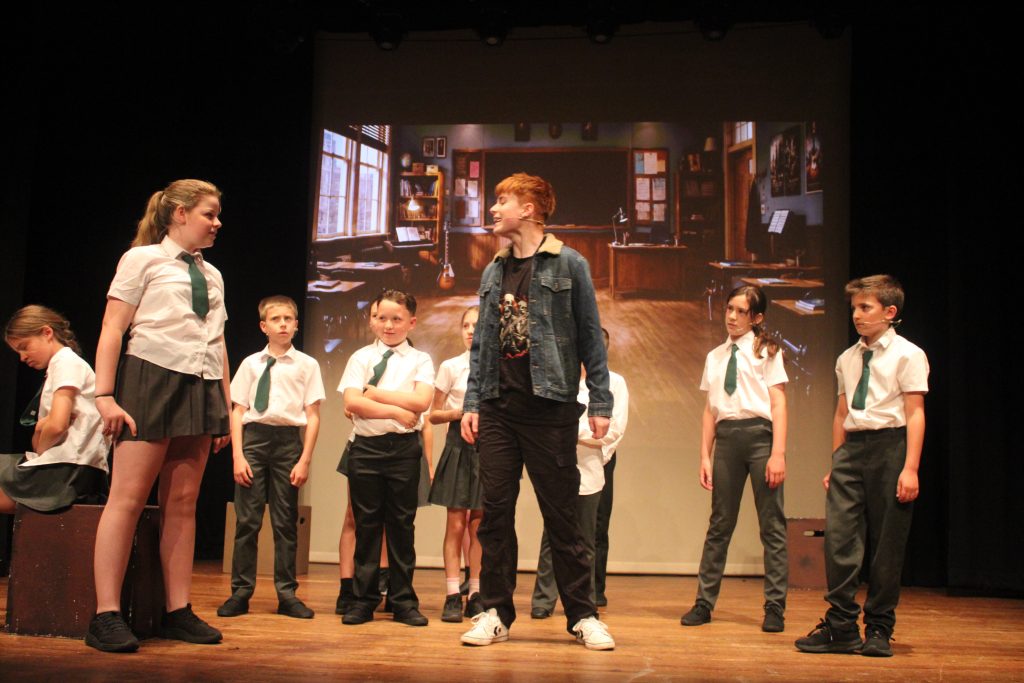
In drama, children can explore situations from a safe distance. A character can be nervous, bold, funny, frustrated or determined. Through that character, a child can experiment with feelings and choices without everything being about them personally.
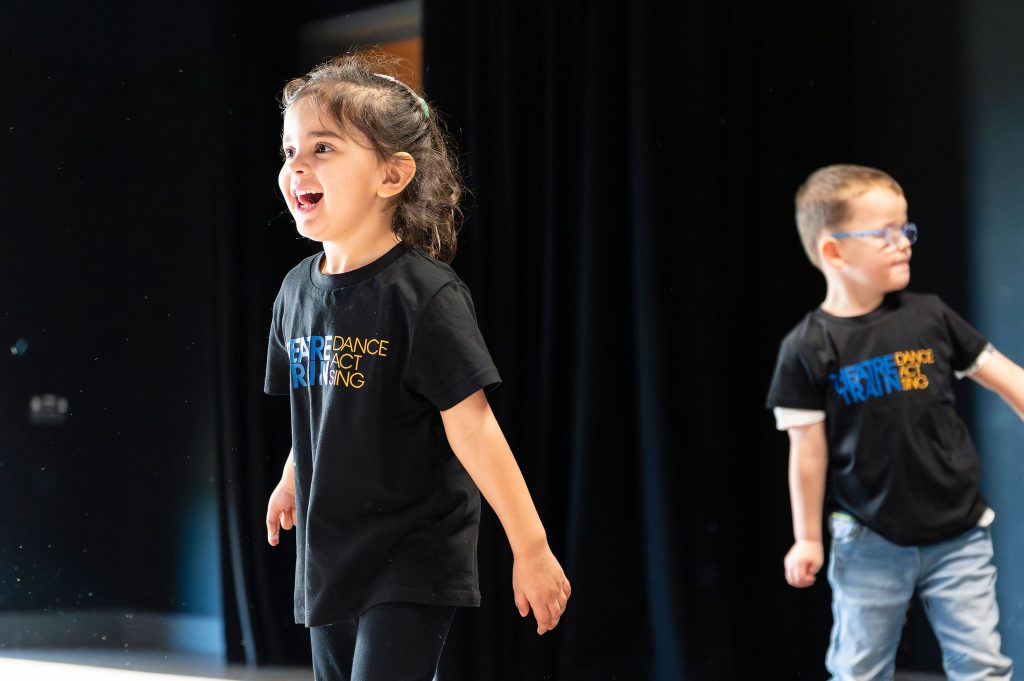
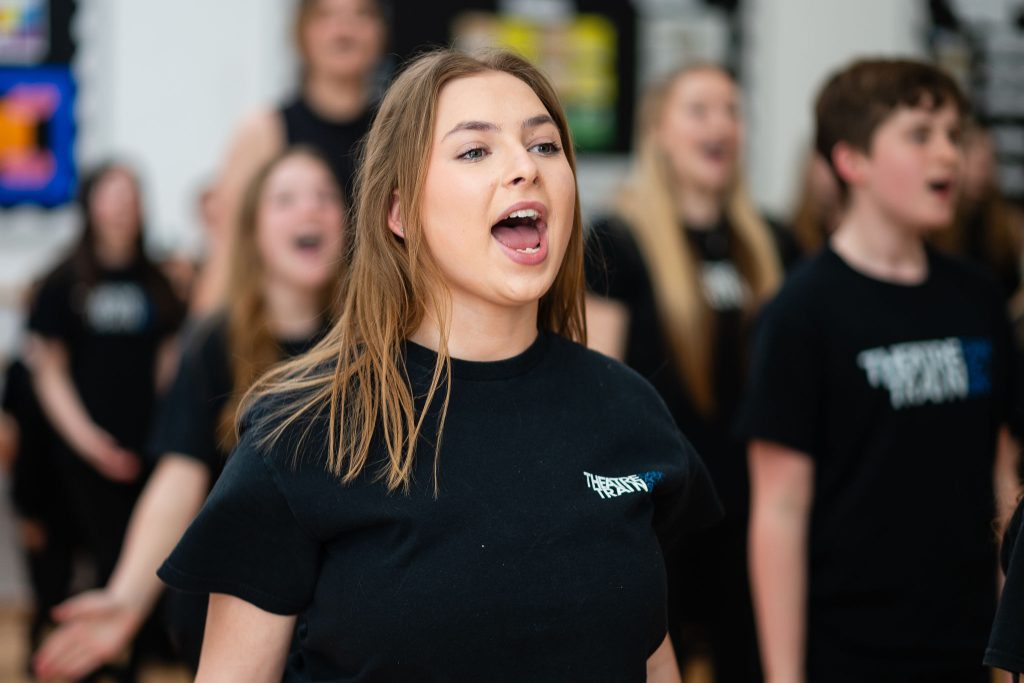
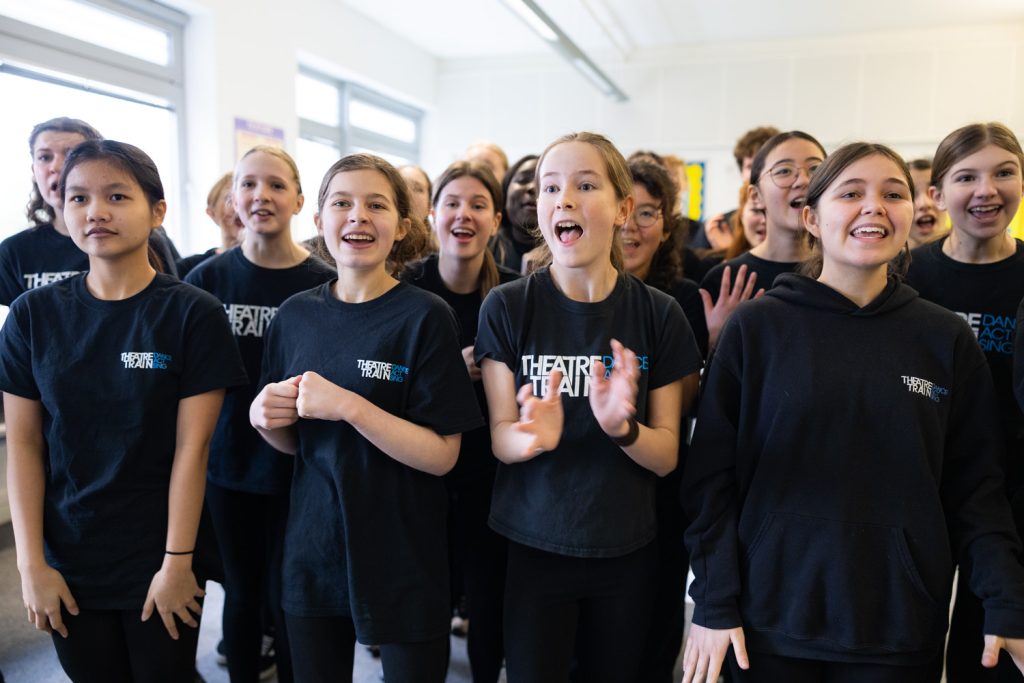
In singing, children learn how sound carries emotion. A song can give shape to feelings that are hard to explain. It also teaches teamwork because every voice has to listen and blend with the others.
In dance, children learn that expression does not always need words. Posture, gesture, rhythm and energy all communicate. This helps young people understand that their body can be confident too.
Skills for School, Friendships and Everyday Life
For children, life skills are easiest to understand when they are attached to real experiences. Teamwork makes sense when a scene depends on everyone. Focus makes sense when a dance needs timing. Communication makes sense when a song or script needs expression.
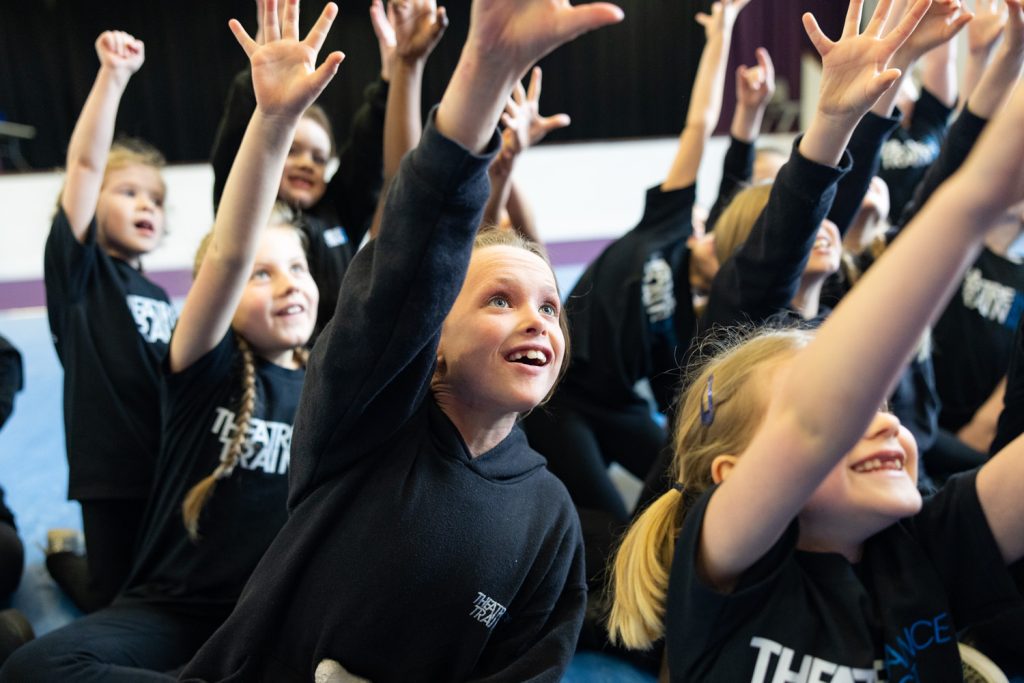
That is why Theatretrain’s weekly classes can be so helpful. They make important skills practical. Children learn by doing, and because the learning is creative, it often feels exciting rather than pressured.
The result is confidence that can be used in other places. Not stage confidence only. Everyday confidence.
What Parents May Notice Over Time
For some families, the first visible change is social. A child begins to mention names from class. They look forward to seeing the group. They feel part of a shared routine. That sense of belonging can make a big difference.
They may approach group work differently, communicate more clearly, remember instructions more easily or feel braver when meeting new people. These may seem like small changes, but they can make a real difference to everyday confidence. When children feel accepted, they are more likely to take creative risks and show more of who they are.
That is where confidence becomes deeper. It is not about pretending to be someone else; it is about feeling safe enough to be yourself.
Why This Matters Now
Children need spaces where they can build life skills in a way that feels positive, human and real. Performing arts gives them that opportunity because it combines creativity with commitment. They are not sitting on the edge of the experience; they are inside it, making choices, responding to others and learning how to keep going.
For parents looking for children’s performing arts classes, drama classes, singing and dancing classes, or confidence building activities for children, this is often the deeper value. It is not simply about whether a child can perform a song or remember a routine. It is about whether they feel more able to take part in life.
For SEO purposes, this topic also connects naturally with searches such as children’s performing arts classes, confidence building activities for children, drama classes for young people, singing dancing and acting classes, and creative classes for children. More importantly, those search terms reflect what parents are really looking for: a positive place where their child can grow, make friends, express themselves and feel proud of what they can achieve.
Find Your Local Theatretrain Centre
Singing, dancing and acting are creative subjects, but they are also practical tools for life.
The rehearsal room gives children a positive place to practise life skills in a creative way. They can be brave, make friends, express ideas and feel proud of their progress.
If you are looking for performing arts classes for your child, you can find your local Theatretrain centre and see what is available near you.