A Performance Begins Long Before the Curtain Rises
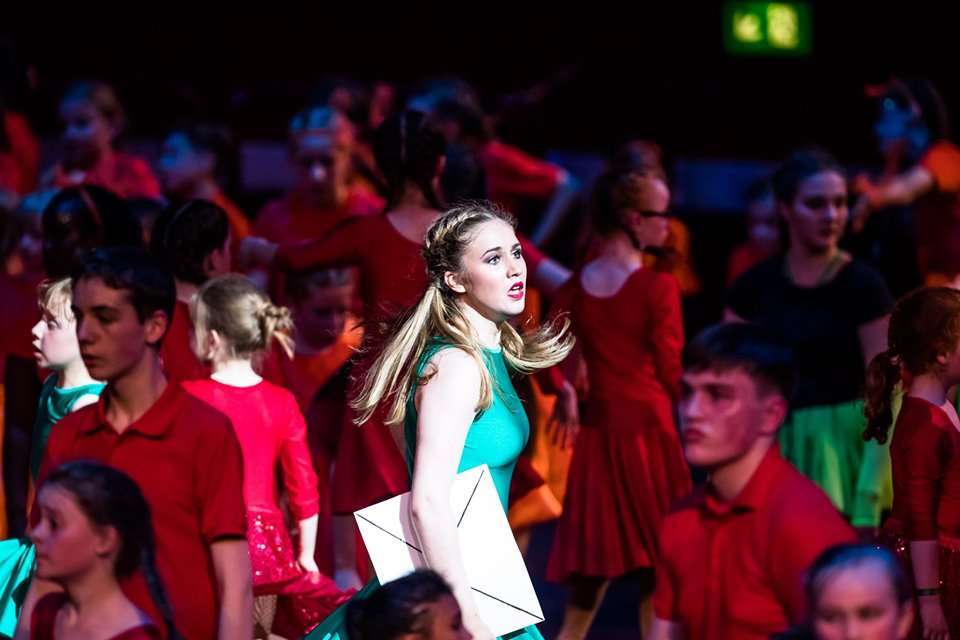
A performance may end with applause, but it begins with cooperation.
Listening.
Waiting.
Trying again.
Supporting someone else.
For many children and young people, teamwork begins in tiny moments that may not look dramatic from the outside. It might be the first time they join in a warm-up, the first time they remember a movement, the first time they listen for a cue, or the first time they realise that other people are relying on them.
That is why the rehearsal process is so valuable. The final performance may be the moment families remember, but the weeks leading up to it are where children practise confidence, responsibility and courage in a very real way. They are not just learning material. They are learning how to take part.
Progress often starts quietly. A child may not suddenly become louder, bolder or more confident overnight. Instead, they begin to understand the rhythm of the group. They notice what happens when they contribute. They start to believe that they have something useful to bring.
The Rehearsal Room Teaches Shared Responsibility
A rehearsal room is not a waiting room for the stage. It is the place where children learn how to build something from the beginning. They discover that a performance is created through repetition, listening and shared effort, not magic.
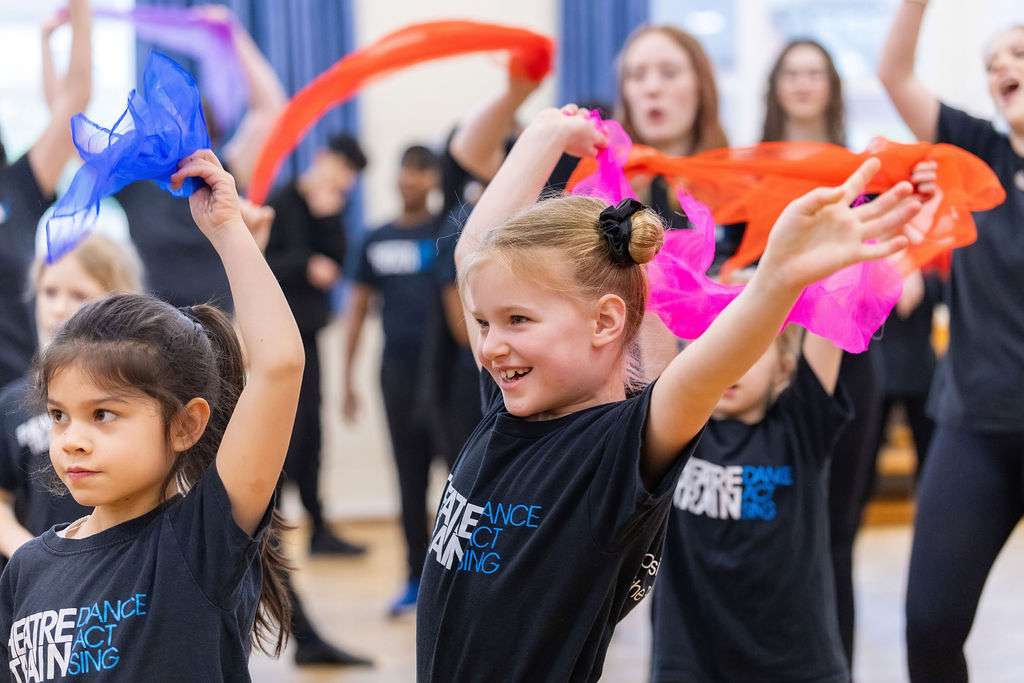
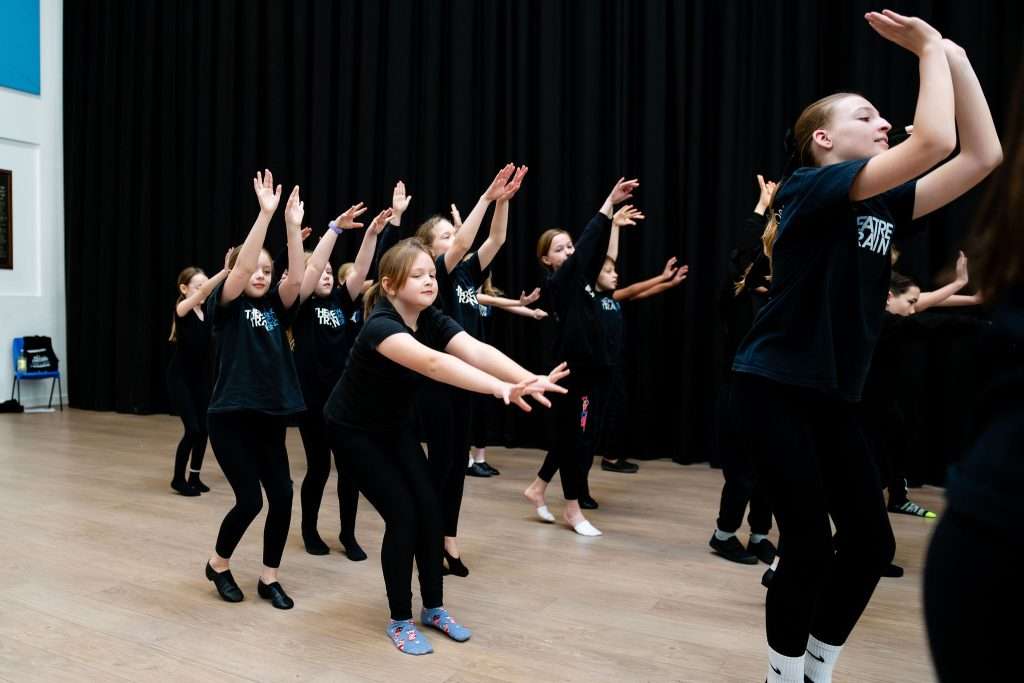
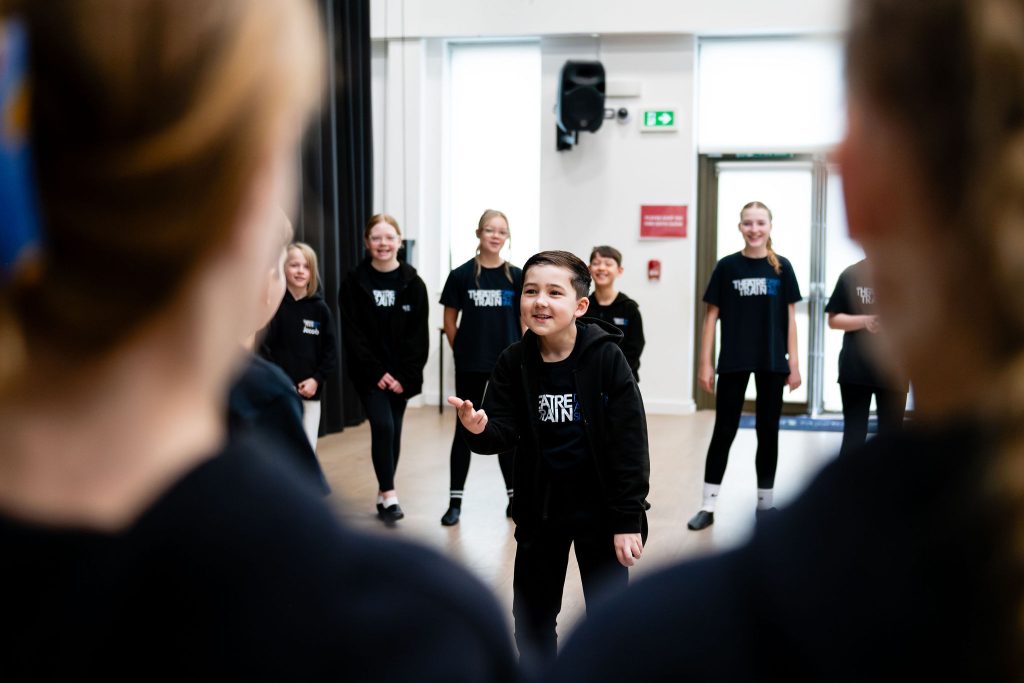
In a Theatretrain session, a child may be asked to follow a rhythm, copy a movement phrase, share an idea, speak a line or listen for a cue. Each task asks something different of them, but all of them require attention. They must notice the teacher, the music, the space and the people around them.
That level of awareness is a skill. When children practise it through creativity, it can feel less like a demand and more like an adventure. They are not just being told to focus. They have a reason to focus.
Acting, Singing and Dancing Build Teamwork in Different Ways
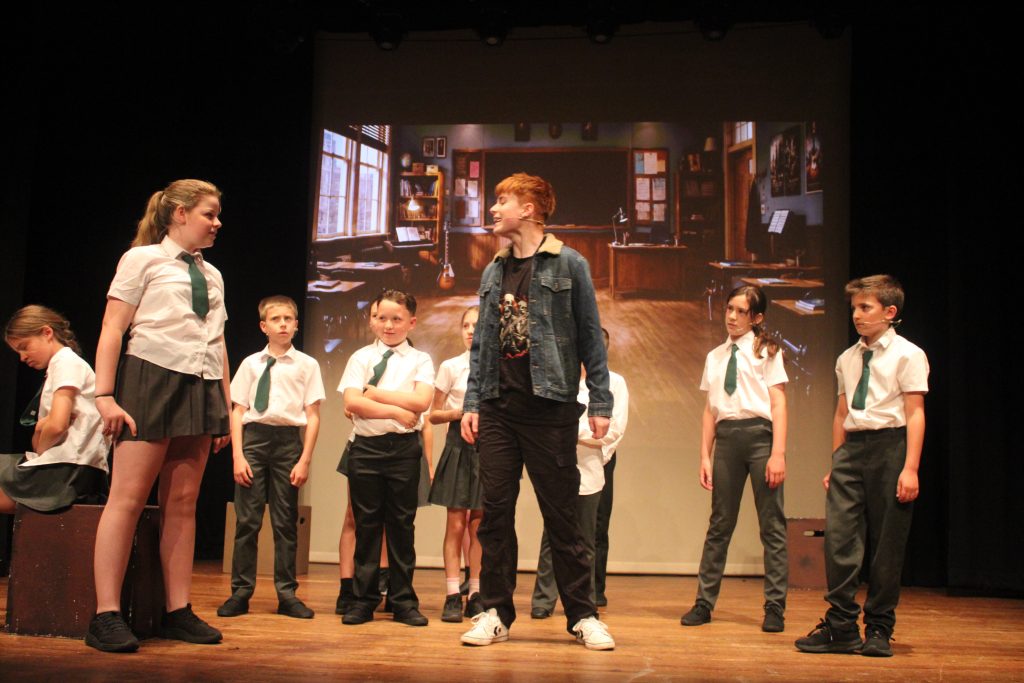
Acting encourages children to understand other people. They step into characters, explore emotions and think about choices. This develops empathy, communication and imagination, as well as the confidence to speak clearly and respond to others.
Singing helps children connect with their voice. In a group, they experience the safety of belonging while learning pitch, rhythm, breath and expression. For many children, singing as part of an ensemble is the first step towards feeling heard.
Dance builds physical confidence. Children learn coordination, memory, timing and control, but they also learn freedom. Movement allows them to express energy and emotion in a way that words cannot always manage.
Teamwork Skills That Reach Beyond the Stage
The skills children develop in performing arts do not stay in the rehearsal room. They travel into school, friendships and family life. A child who learns to speak clearly in drama may feel braver answering a question in class. A child who learns to wait for a cue may become more patient in group work.
This is why Theatretrain’s acting, singing and dancing classes support more than performance technique. They help children practise confidence, creativity, communication, focus and teamwork in a way that feels active and enjoyable.
Those skills matter because they are used every day. Children need them when they meet new people, solve problems, handle pressure, take instructions and express how they feel.
What Parents May Notice Over Time
Parents often notice the change gradually. It may be a child chatting more confidently after class, standing a little taller, making a new friend, volunteering for a small part, or singing around the house when they used to hide their voice.
A child who once wanted everything their own way may begin to listen more carefully. A quieter child may start to trust that their contribution is valued. A confident child may learn the importance of giving space to others. These changes may seem small, but they can signal something important: a child is beginning to trust themselves.
Every child develops at their own pace. Some are ready to leap forward. Others need time. A supportive performing arts environment recognises both.
Why This Matters Now
Children need spaces where they can build teamwork in a way that feels positive, human and real. Performing arts gives them that opportunity because it combines creativity with commitment. They are not sitting on the edge of the experience; they are inside it, making choices, responding to others and learning how to keep going.
For parents looking for children’s performing arts classes, drama classes, singing and dancing classes, or confidence building activities for children, this is often the deeper value. It is not simply about whether a child can perform a song or remember a routine. It is about whether they feel more able to take part in life.
Find Your Local Theatretrain Centre
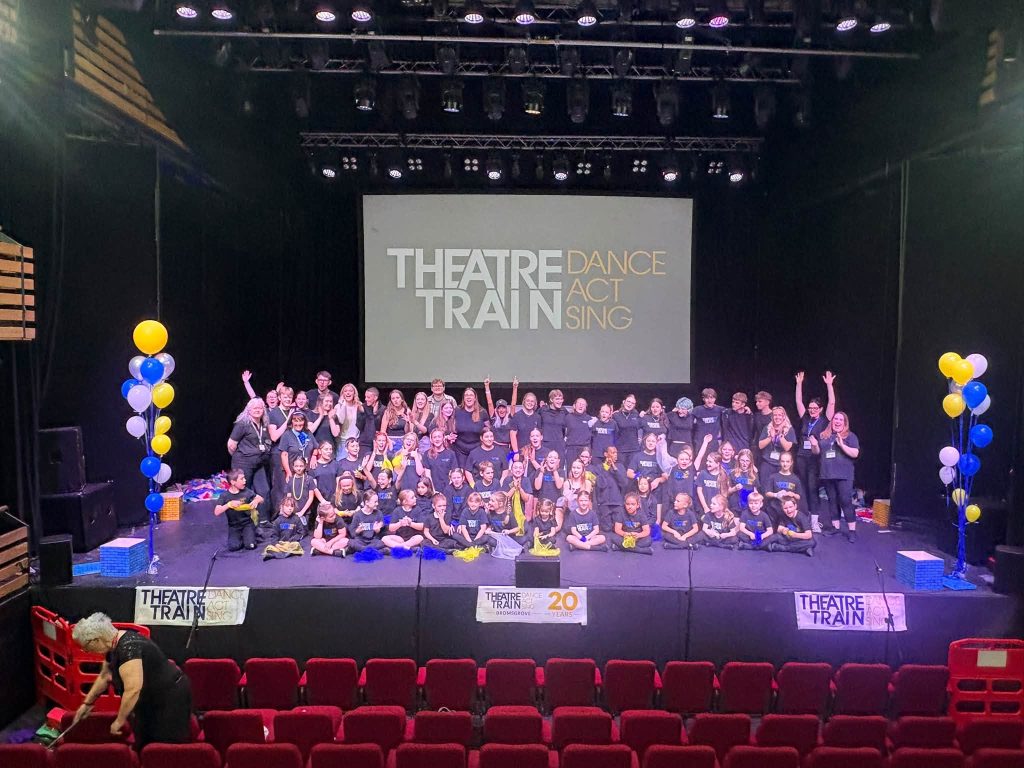
When children work together towards a performance, they learn that success is not only about individual talent. It is about shared effort.
That is why creative training matters. It gives children a place to rehearse courage, kindness, focus, expression and belief in themselves.
If your child loves performing, or if you would like them to grow in confidence, creativity and communication, Theatretrain offers performing arts classes for children and teenagers across the UK. You can find your local Theatretrain centre and discover how acting, singing and dancing could help your child grow.