Why Children Feel Pressure to Be Perfect
Perfection can be a heavy thing for a child to carry.
Get it right.
Do not make a mistake.
Be the best.
Do not embarrass yourself.
Young people can feel pressure from so many directions: school, social media, friendships, exams, hobbies and expectations. It is no wonder that some children become afraid to try something new unless they already believe they will be good at it.
But growth rarely begins with perfection.
It begins with having a go.
Trying Is Where Growth Begins
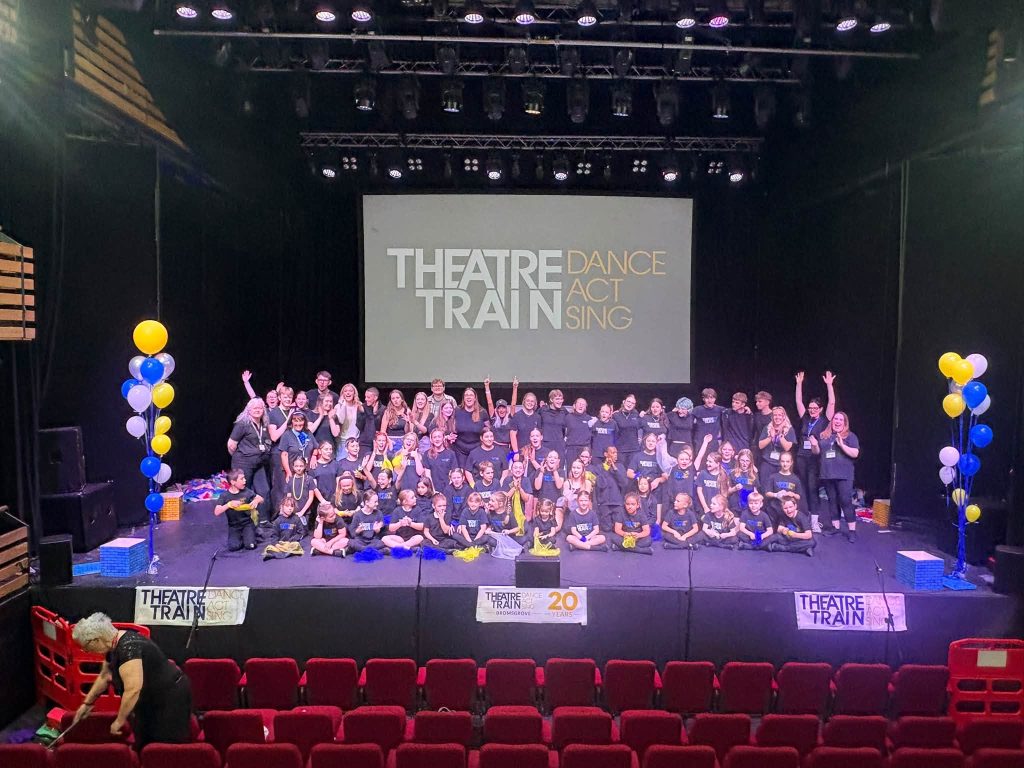
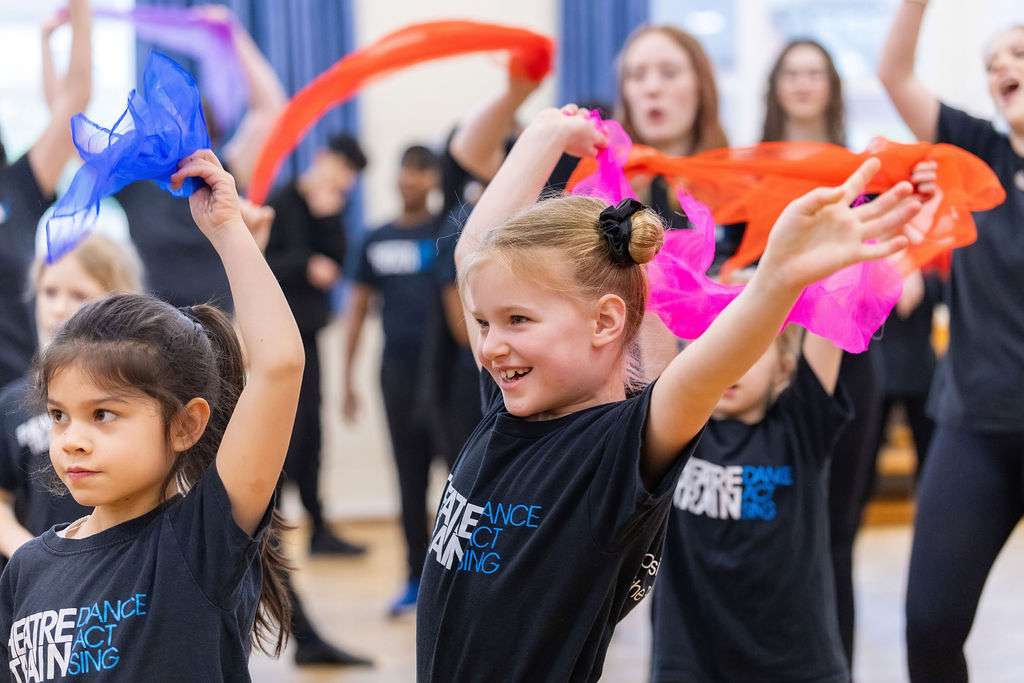
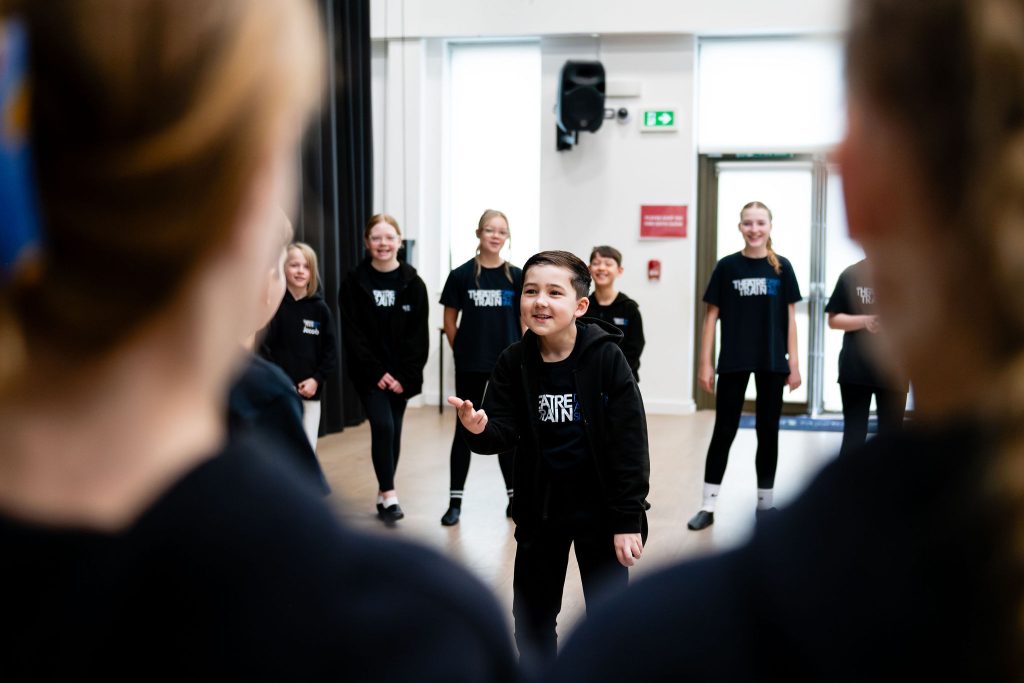
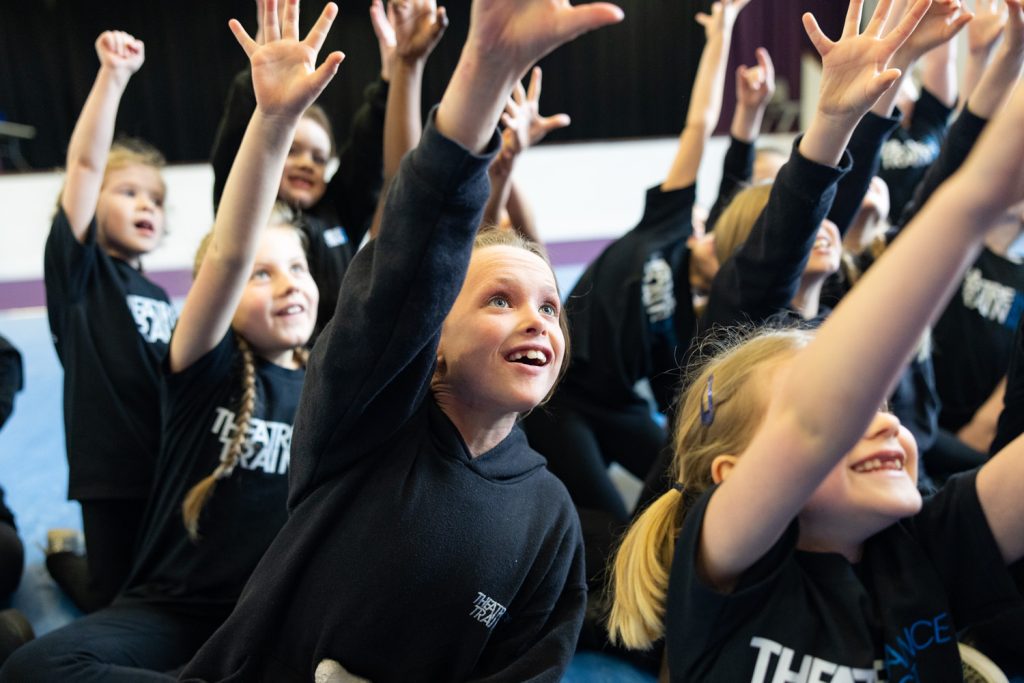
At Theatretrain, one of the most important lessons children learn is that trying matters. Turning up matters. Joining in matters. Giving something a go, even when it feels scary, is often where the most valuable learning happens.
In performing arts, children quickly discover that no one gets everything right the first time. A dance routine takes practice. A scene needs rehearsal. A song becomes stronger over time. A performance is built step by step, not all at once.
That is a wonderful lesson for life.
Trying teaches children that they are allowed to be beginners. It helps them understand that progress is not instant, and that is perfectly okay. When children are encouraged to have a go, they begin to separate their self-worth from the idea of being perfect.
They learn to say, “I can try.”
That tiny sentence can change everything.
What Performing Arts Teaches About Mistakes
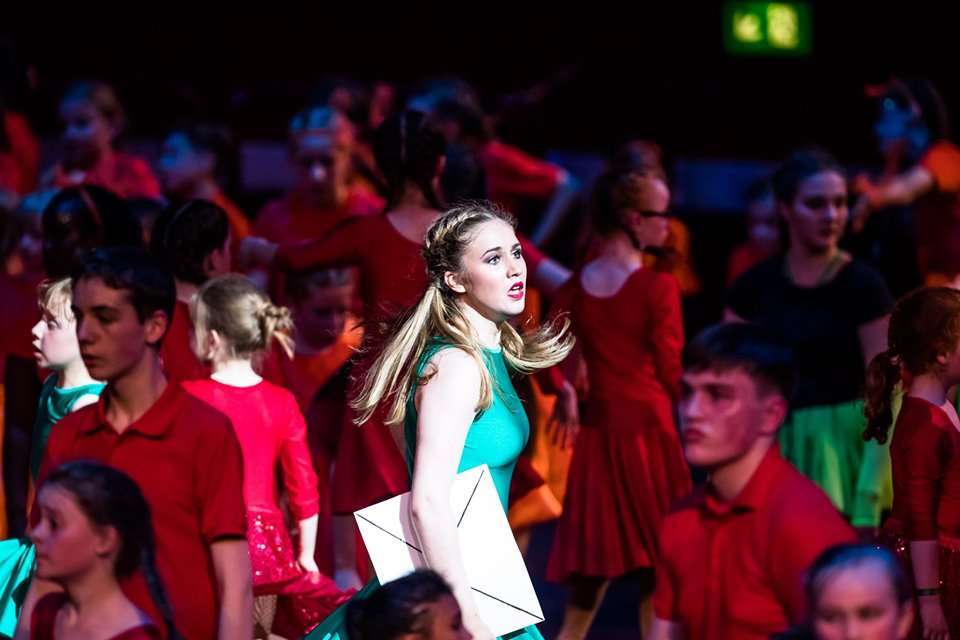
In acting, having a go might mean stepping into a character, speaking a line or offering an idea during improvisation. At first, a child may feel unsure. What if it sounds silly? What if people laugh? What if it does not work?
But in a supportive rehearsal room, children begin to realise that creativity needs risk. They see others trying too. They learn that an idea does not have to be perfect to be useful. Sometimes the first attempt leads to the best discovery.
Sometimes the “mistake” becomes the moment everyone remembers.
How Singing Helps Children Build Courage
In singing, having a go can feel deeply personal. The voice is part of who we are, and many children feel nervous about being heard. But singing as part of a group allows children to build confidence gradually. They can try harmonies, rhythm, breathing and projection in a safe environment.
Bit by bit, they learn to trust their voice.
How Dance Teaches Resilience
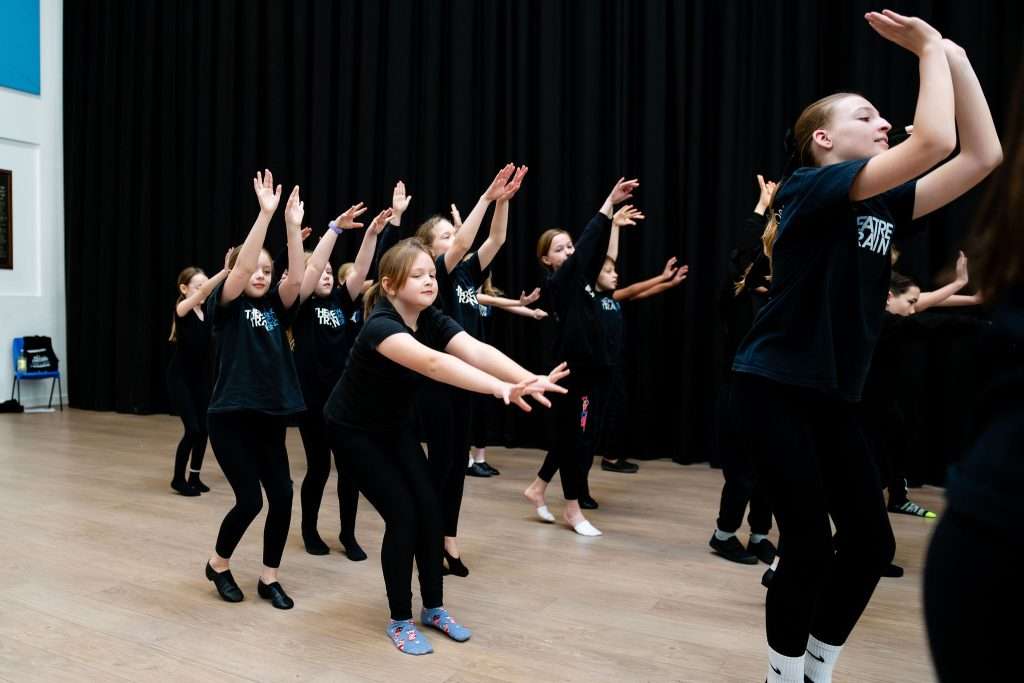
In dancing, trying matters every single week. A child may not master a step straight away. They may move the wrong way, forget the timing or lose their place. But dance teaches recovery. It teaches children to keep going, to listen to the music, to watch, to practise and to improve.
Again.
That is where resilience is built.
Why Trying Builds Confidence for Life
The power of having a go is not only about performing arts. It is about helping young people develop a healthy attitude to challenge. Children who learn to try in the rehearsal room may become more willing to try in the classroom. They may approach new friendships, school projects, sports, interviews or public speaking with a little less fear.
Why?
Because they have practised bravery.
Theatretrain’s performing arts classes for children and teenagers are designed to help young people build skills in acting, singing and dancing, while also developing confidence, communication, teamwork and resilience. These life skills are not taught through lectures. They are learned through experience.
Through doing.
Through trying.
There is something very powerful about a child realising, “I did it, even though I was nervous.” That moment matters. It shows them that fear does not have to stop them. It shows them that confidence can grow after action, not before it.
Many adults wait to feel confident before they try.
Children at Theatretrain learn something different. They learn that trying is often what creates confidence.
That is a gift.
Progress Matters More Than Perfection
Of course, standards still matter. At Theatretrain, children work hard. They rehearse, practise, listen and develop real performance skills. But the route to quality is not fear. It is encouragement, effort and repetition.
Perfection is not the starting point.
Progress is.
When young people are praised only for getting things right, they may become afraid of getting things wrong. But when they are praised for effort, courage and commitment, they begin to build a stronger relationship with learning. They understand that improvement is something they can influence.
They do not have to be perfect today.
They just have to take the next step.
This is especially important for children who are shy, anxious or self-conscious. A performing arts class can give them manageable opportunities to try. They do not need to leap straight into the spotlight. They can begin in the group, join in with games, practise as part of an ensemble and gradually take on more responsibility when they are ready.
Confidence grows at different speeds.
And that is okay.
Find Your Local Theatretrain Centre
The phrase “have a go” may sound simple, but it carries a big message. It tells children they are welcome before they are polished. It tells them that effort is valued. It tells them that learning is a process. It tells them that bravery is not about being fearless; it is about participating anyway.
In a world that often celebrates perfect results, children need places where trying is celebrated too.
The rehearsal room can be one of those places.
A place to experiment.
A place to laugh.
A place to learn.
A place to try again.
At Theatretrain, children discover that every performer begins somewhere. Every confident speaker, singer, dancer and actor once had a first attempt. Every successful performance is built from moments where someone was brave enough to have a go.
So, does trying matter more than getting it perfect?
Yes.
Because trying is where the journey begins.
If your child loves performing, or if they simply need a safe place to build confidence and resilience, you can find your local Theatretrain centre and discover how acting, singing and dancing can help them grow.