Nerves Are Not the Enemy
Nerves are not always a bad thing.
A flutter.
A deep breath.
A racing heart.
A moment of possibility.
Children are growing up in a world that often asks them to perform in different ways: at school, in friendships, online and in new situations. They need safe places where they can practise the ability to manage nerves without feeling judged or rushed.
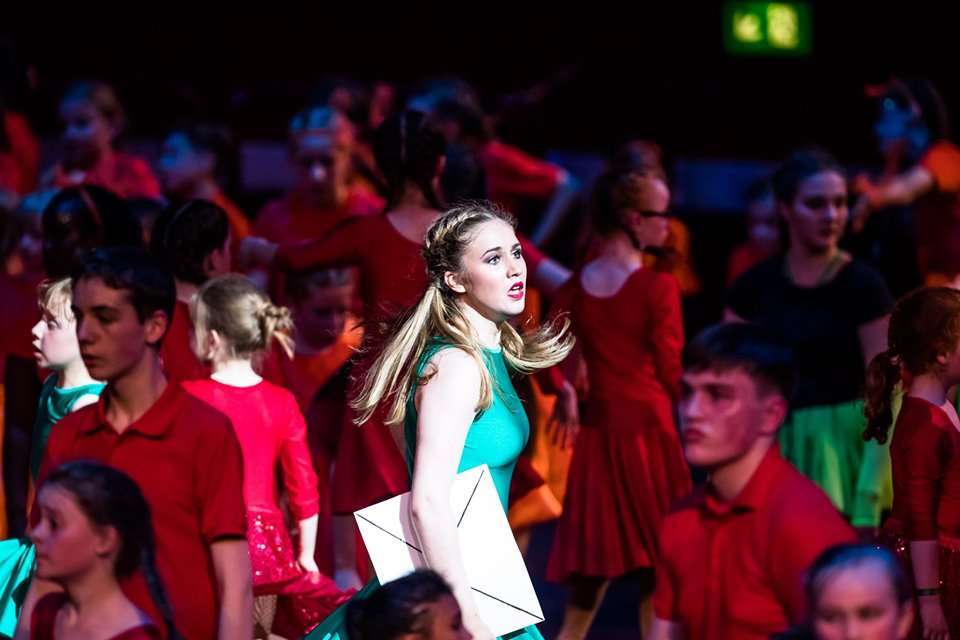
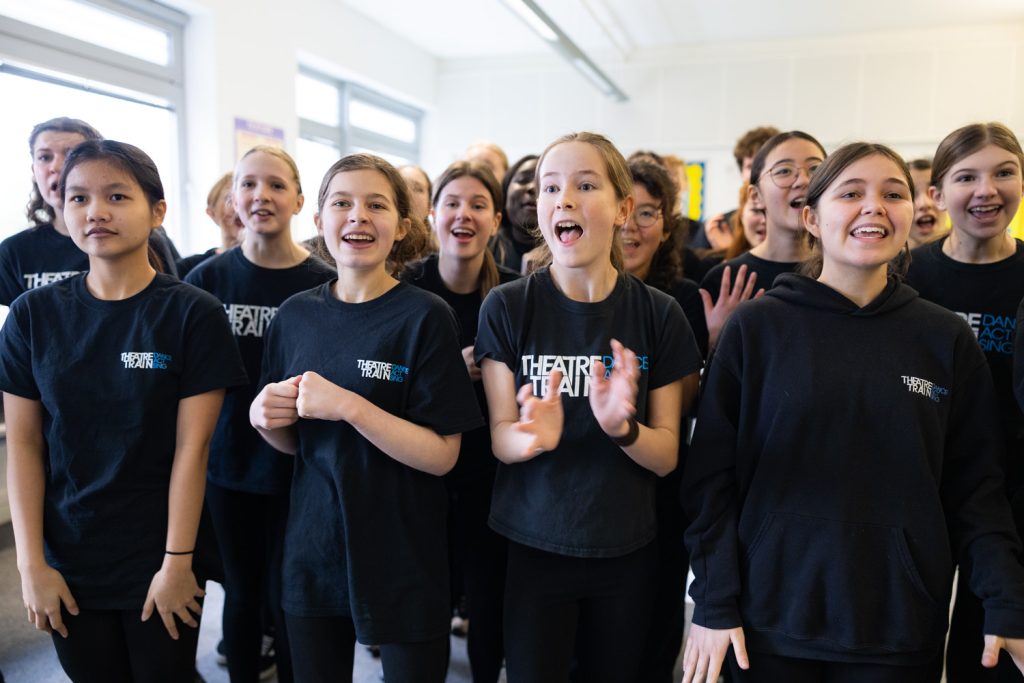
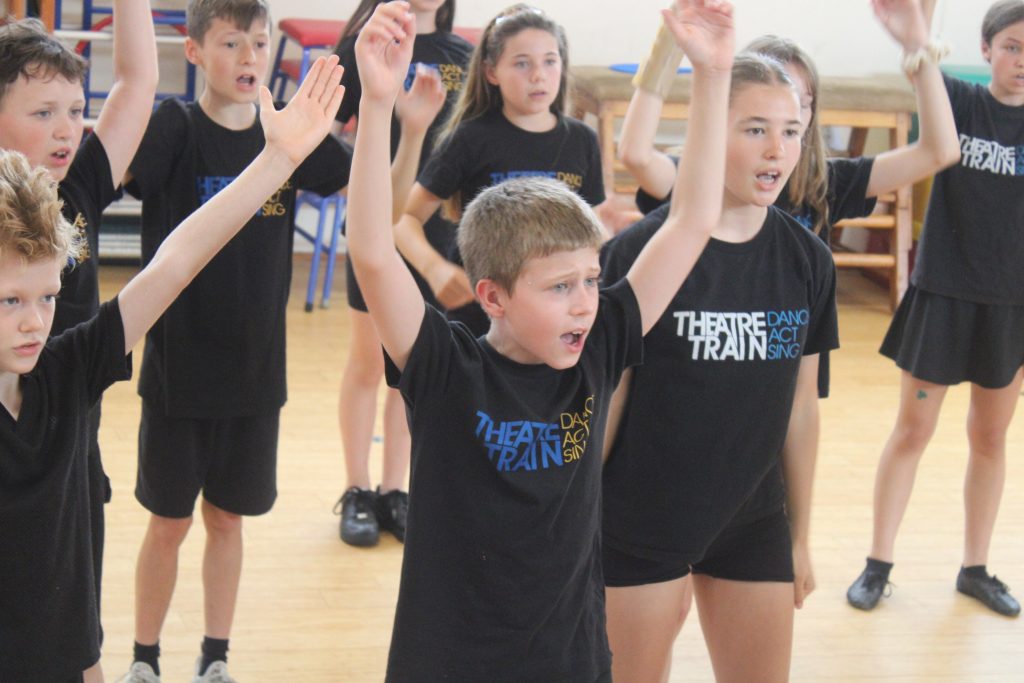
A performing arts class can offer exactly that. Through acting, singing and dancing, a nervous young performer can try, pause, listen, repeat and improve. The work feels creative and exciting, but underneath it are important habits: concentration, patience, bravery and trust.
Theatre gives children a reason to take part. A scene needs energy. A song needs voices. A dance needs focus. A group needs everyone. Suddenly, the skills adults often talk about become something children can actually experience.
Rehearsal Helps Children Feel Prepared
Rehearsal gives children a structure they can return to each week. The familiar routines help them feel safe, while the creative challenges keep them engaged. This combination is one of the reasons performing arts classes can support children so well.
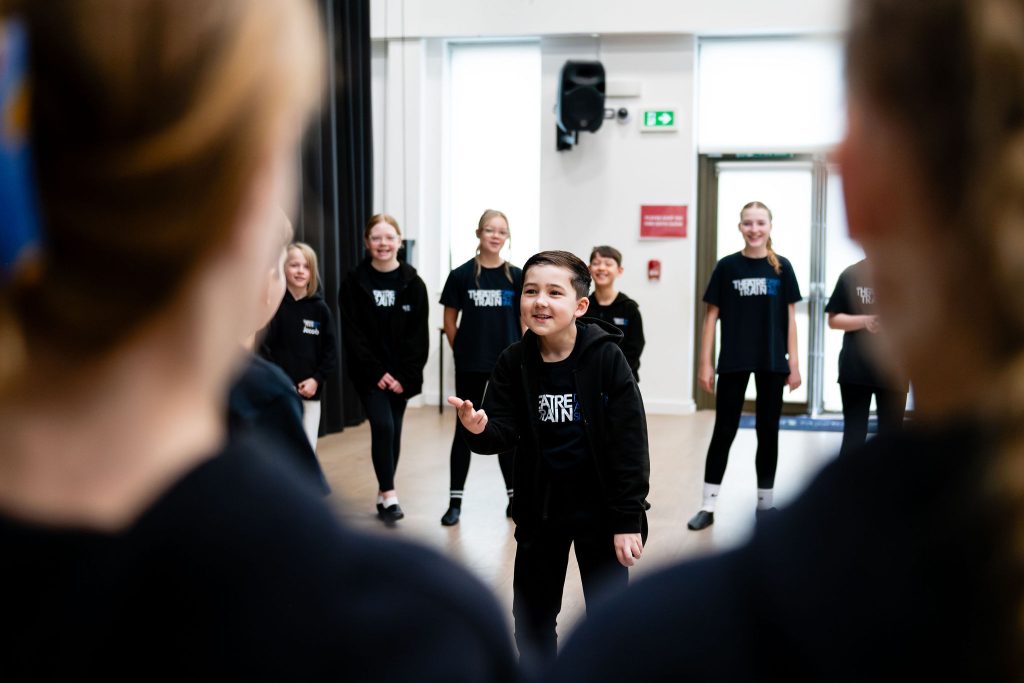
For a nervous young performer, the rehearsal room can become a place where trying is normal. Nobody is expected to know the finished version straight away. Scenes are shaped. Songs are learned. Dances are built. Ideas are tested. Children see that improvement is part of the process.
That matters because it changes how children respond to difficulty. Instead of seeing challenge as proof that they cannot do something, they begin to see it as the next step.
Acting, Singing and Dancing Give Nerves Somewhere to Go
Acting teaches children to listen as much as it teaches them to speak. They must respond to cues, understand intention and think about how their choices affect the scene. This makes communication active and meaningful.
Singing develops focus and courage. Children have to listen to the music, the group and themselves. They learn that their voice can contribute to something bigger, even if they are not singing alone.
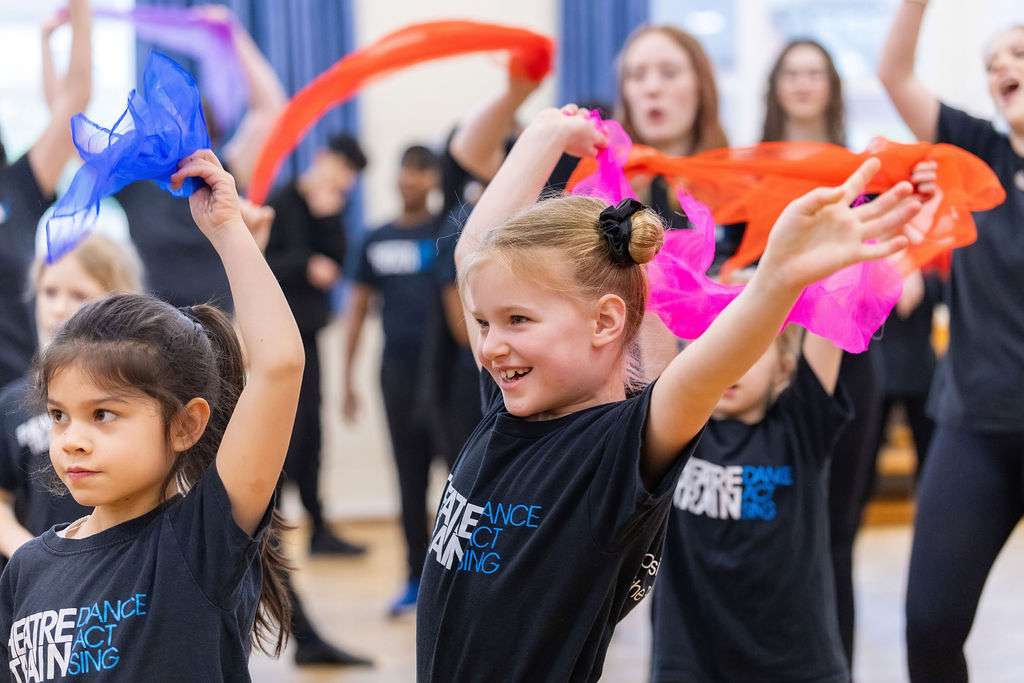
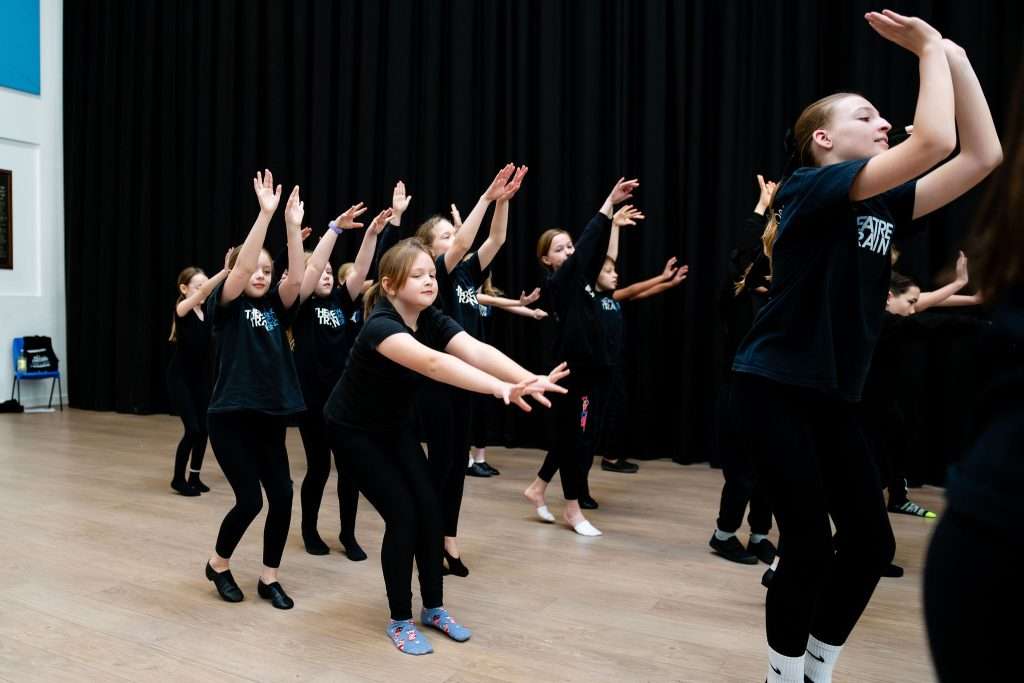
Dancing asks children to be aware of space, timing and others. They practise discipline and creativity at the same time. That mixture of structure and expression is one of the reasons dance is so valuable.
Confidence Grows When Children Learn to Recover
What children learn creatively often appears later in ordinary life. A young person may become more comfortable speaking to adults, joining a new group, making friends or taking on responsibility at school. The connection is not always obvious at first, but it is there.
Performing arts gives children repeated chances to practise. Through Theatretrain’s performing arts classes, they learn to listen, adapt, contribute and keep going even when something feels challenging.
That repetition builds habits. Children are not simply told to be confident; they experience what confidence feels like when they have prepared, practised and taken part.
What Parents May Notice Over Time
The progress parents notice is often practical. A child may remember instructions more easily, feel more comfortable in a group or become more willing to speak up. They may also begin to show more patience when things do not go right straight away.
A child may still feel nervous before a show, but they may begin to describe those feelings differently. Instead of saying they cannot do it, they may say they are excited, ready or proud to have tried. Those everyday signs are just as valuable as anything that happens on stage.
Confidence does not always arrive with a spotlight. Sometimes it appears in the car journey home, when a child says, ‘I tried something new today.’
Why This Matters Now
Children need spaces where they can build the ability to manage nerves in a way that feels positive, human and real. Performing arts gives them that opportunity because it combines creativity with commitment. They are not sitting on the edge of the experience; they are inside it, making choices, responding to others and learning how to keep going.
For parents looking for children’s performing arts classes, drama classes, singing and dancing classes, or confidence building activities for children, this is often the deeper value. It is not simply about whether a child can perform a song or remember a routine. It is about whether they feel more able to take part in life.
For SEO purposes, this topic also connects naturally with searches such as children’s performing arts classes, confidence building activities for children, drama classes for young people, singing dancing and acting classes, and creative classes for children. More importantly, those search terms reflect what parents are really looking for: a positive place where their child can grow, make friends, express themselves and feel proud of what they can achieve.
Find Your Local Theatretrain Centre
Theatre does not remove nerves from a young person’s life. It helps them understand those feelings and use them in a positive way.
Theatre is not only about what happens in front of an audience. It is about the young person being shaped during the process.
To explore classes near you, visit Theatretrain and find your local Theatretrain centre.