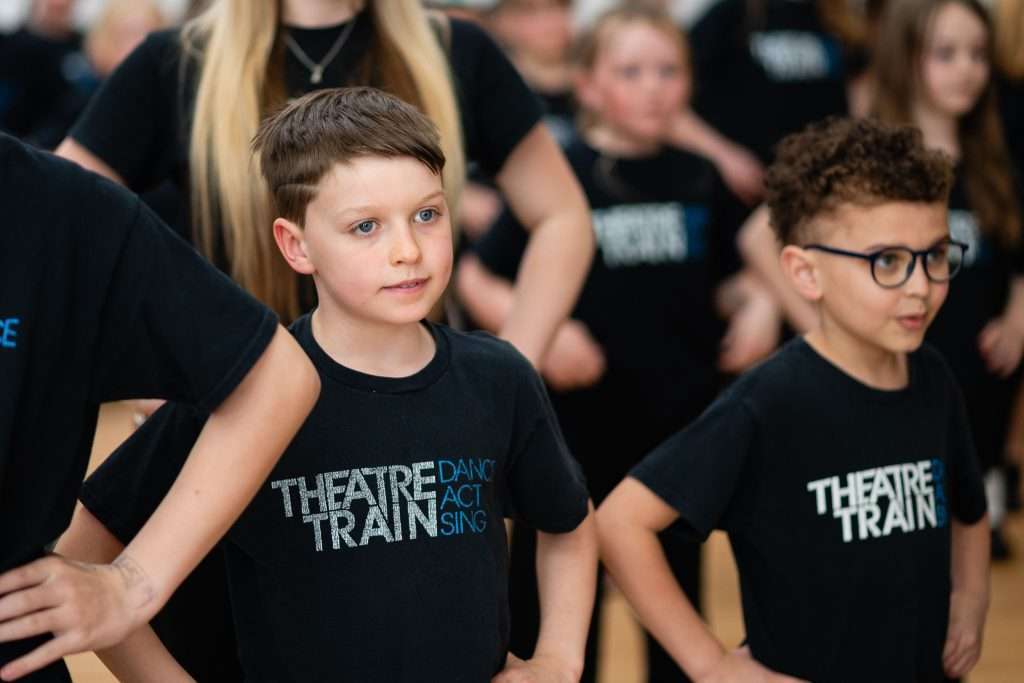
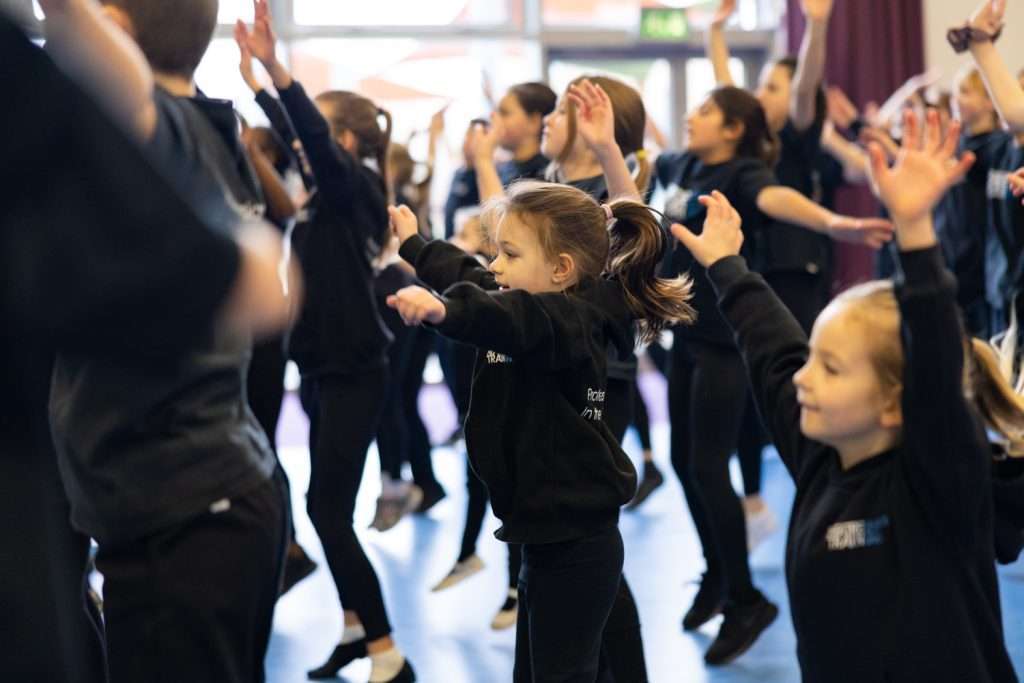
If you’ve never watched a performing arts class properly, it can be quite hard to picture what your child will actually experience.
Some parents imagine something quite structured and formal.
Others picture a lot of noise and chaos.
And if your child is new to this kind of environment, the question is usually a bit more personal than that:
“Will they feel comfortable… or will it feel overwhelming?”
The part most people don’t think about
When children walk into any new activity, they’re not just thinking about what they’ll be doing.
They’re taking in everything around them.
Where they’re meant to stand.
Who else is there.
Whether they understand what’s going on.
Whether they feel like they’re part of it.
If that feels unclear, even confident children can hesitate.
If it feels familiar and easy to follow, they tend to relax much more quickly.
Why structure matters more than it sounds
One of the things that makes the biggest difference to how a class feels is something quite simple: consistency.
When a session follows a clear, predictable structure, children don’t have to keep working out what’s happening next.
They begin to recognise the rhythm of the class.
They know how it starts.
They know how it moves from one activity to another.
They know what’s expected of them.
And that familiarity gives them a sense of security.
It frees them up to focus on joining in, rather than trying to figure things out.
What that looks like in practice
In a well-run class, you’ll often notice that things begin in a way that brings everyone together.
Everyone starts at the same time.
No one is arriving into something already in full flow.
There’s a clear beginning that helps the group settle.
From there, the session moves with a steady rhythm.
Transitions between activities are explained clearly.
Children know where they need to go and what they’re doing next.
Nothing feels rushed or confusing.
It’s not rigid, but it is thought through.
How that affects children (especially in the early weeks)
For children who are naturally confident, this structure helps them get going quickly.
For children who are a little more unsure, it can be the difference between:
watching from the side
and feeling able to join in
Because when they’re not worrying about what’s happening, they can focus on being part of it.
And that’s usually when you start to see them settle.
The small signs that tell you it’s working
You might notice that they walk in and know exactly where to go.
They don’t need to stop and watch before starting.
They move between activities without hesitation.
They begin to feel like they understand the space they’re in.
And once that happens, everything else becomes easier.
What to look for when choosing a class
If you’re deciding whether something is right for your child, it’s worth paying attention to how the session feels, not just what is being taught.
Does it feel organised without being strict?
Do children seem to know what they’re doing?
Are new children guided, or left to figure it out for themselves?
Those details often matter more than the content of the class itself.
A helpful way to approach the first session
Rather than trying to decide everything in advance, it can help to treat the first session as a chance to observe.
Notice how your child responds to the structure.
Do they seem more relaxed as the session goes on?
Do they start to join in more once they understand what’s happening?
That will tell you a lot about whether the environment suits them.
One final thought
Children don’t need everything to be perfect to enjoy something new.
But they do need to feel like they understand what’s going on.
And often, it’s that sense of familiarity (knowing where they are, what they’re doing, and what comes next) that helps them move from watching… to joining in.
Find out more about our
amazing performing arts classes here
Theatretrain Leicester
Saturdays
Brockington College
10am-1pm