t’s something parents don’t always say straight away…
But it’s there in the background.
“What if they just mess around?”
“What if they don’t listen?”
“What if they don’t take it seriously?”
Sometimes it’s said with a little laugh.
Sometimes with a bit of concern.
And sometimes it’s based on experience.
Because you know your child.
First - this isn’t unusual
Not every child walks into a new environment calm, focused and ready to go.
Some come in full of energy.
Some get a bit silly.
Some test the boundaries.
That’s part of being a child.
And honestly… we’d be more surprised if it didn’t happen at all.
It’s not about stopping the energy
The aim isn’t to shut that down.
A lot of the time, that “messing around” is actually:
- excitement
- nerves coming out sideways
- trying to work out where they fit
So instead of immediately correcting it…
We look at what’s underneath it.
What the teachers actually do
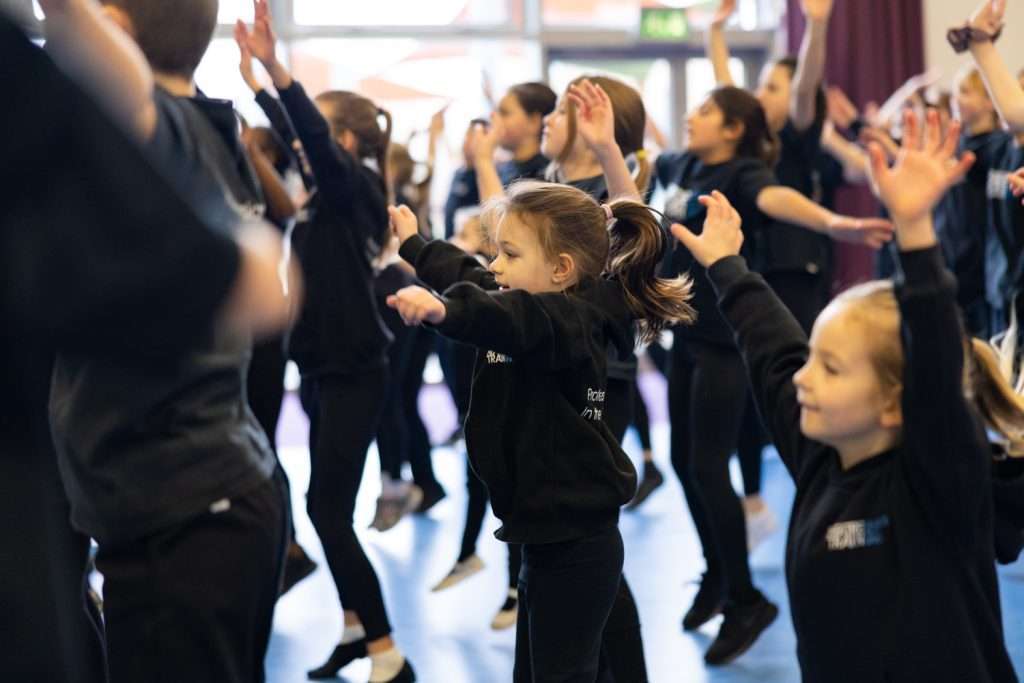
From the outside, it can look quite relaxed.
But there’s a lot of structure underneath.
Teachers are constantly:
- giving clear direction
- moving the session along
- changing the pace when needed
- bringing attention back without making a scene
It’s not about calling children out.
It’s about keeping them with the group.
Why it usually settles
Something we see time and time again…
Children who come in a bit over-excited
don’t tend to stay that way for long.
Once they:
- understand the routine
- feel part of the group
- know what’s expected
They settle into it.
Not perfectly. Not all at once.
But enough to take part properly.
And sometimes… they need a bit more time
There are always a few children who:
- push boundaries more
- struggle to focus
- take longer to find their place
That’s okay.
They’re not written off.
They’re not labelled.
They’re supported.
And often, they’re the ones who gain the most from being there.
It’s a balance
The sessions aren’t chaotic.
But they’re not rigid either.
There’s space for personality.
For energy.
For a bit of silliness.
But alongside that, there’s:
- clear expectations
- consistency
- and a sense that everyone is part of something together
That balance is what makes it work.
What parents often notice
It’s not usually:
“They were perfectly behaved.”
It’s more like:
“They actually focused more than I expected”
“They were tired in a good way”
“They kept talking about what they did”
Because even if it’s not perfect…
They’re engaged.
If you’re worried about this
You’re probably not wrong about your child.
They might:
- be full of energy
- get distracted
- take a bit of time to settle
But that doesn’t mean it’s not right for them.
In many cases, it’s exactly the kind of environment where they start to find a bit more direction.
Find out more about our
amazing performing arts classes here
Theatretrain Leicester
Saturdays
Brockington College
10am-1pm