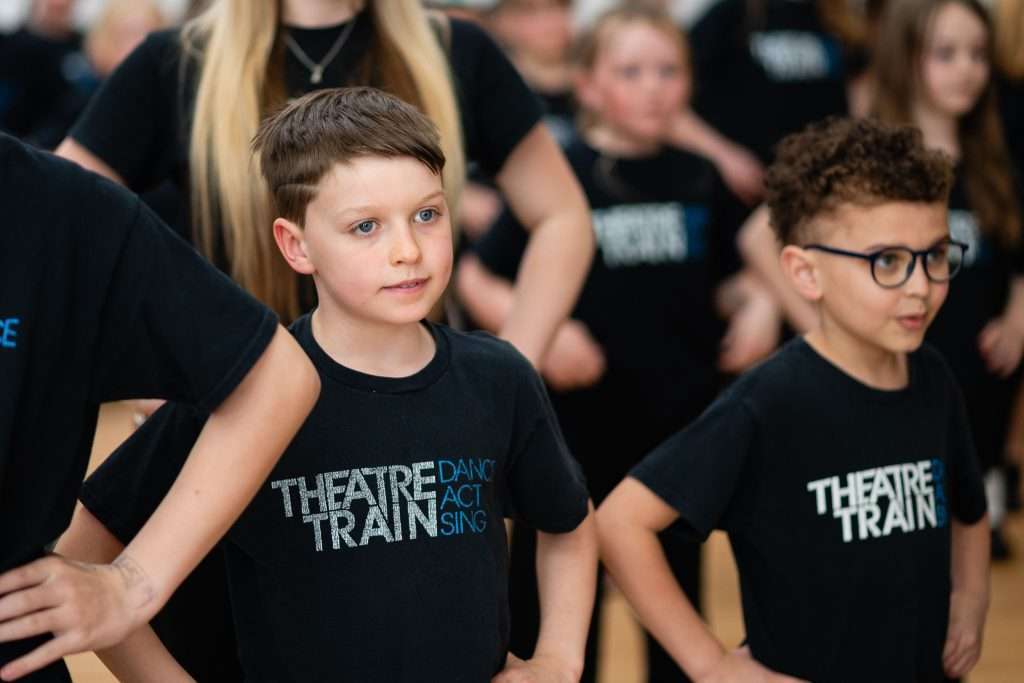
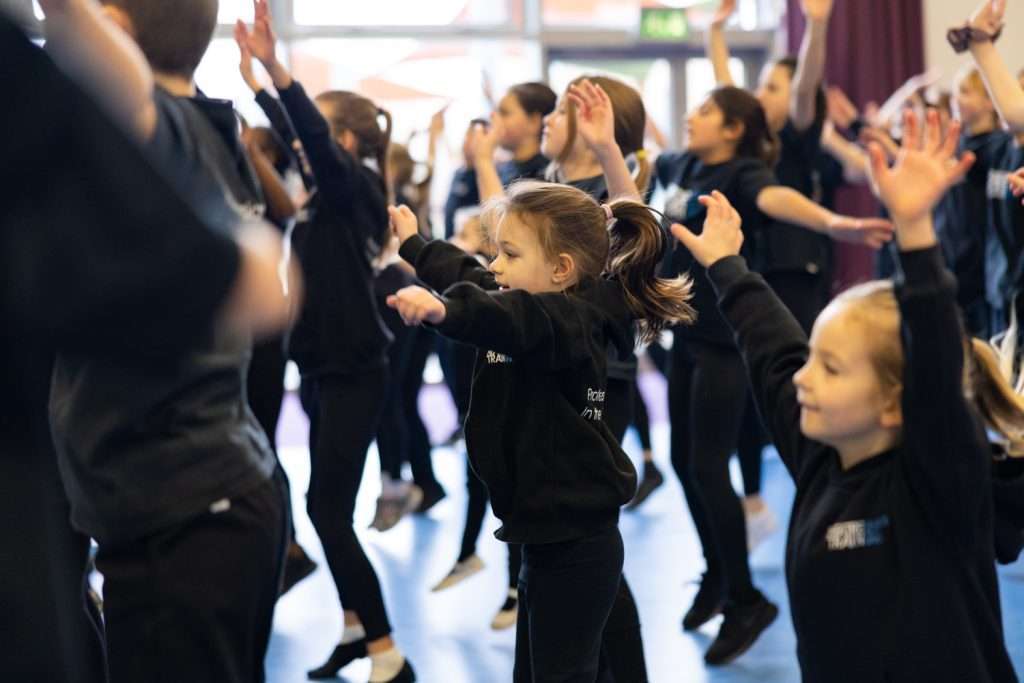
One of the things parents don’t always say out loud before their child starts is:
“What if they don’t make friends?”
It’s often not the first question – but it’s usually there underneath.
Especially if their child is:
- joining on their own
- a bit quieter
- or takes a little while to feel comfortable in new situations
So it’s probably more helpful if I show you what actually happens, rather than just saying “they’ll be fine.”
What it feels like at the start
When a new child walks in, they’re stepping into a group where other children already know each other.
That can feel a bit uncertain.
Some children go straight in and start chatting.
Others stay close to their parent and take a bit more time.
Both are completely normal.
When they arrive, they’re introduced to one of our Welcome Ambassadors — an existing student whose job is to stay with them at the start, show them where to go and introduce them to the group.
So they’re not standing there trying to work out:
Who do I talk to?
Where do I go?
That part is taken care of straight away.
What actually happens during the session
Parents sometimes picture children naturally forming friendship groups straight away.
That’s not really what happens.
Most of the time, children are:
- working in pairs
- in small groups
- or all together
And those groups change regularly.
So they’re not left trying to find someone to talk to – they’re already working with different children throughout the session.
Sometimes we’ll mix groups in really simple ways.
Birthday month is a favourite.
Hair colour, height, things like that.
It sounds basic, but it works because no one feels picked out or left out.
They just move.
And suddenly they’re standing next to someone new.
Where friendships actually start
It’s usually not in the middle of an activity.
It’s the in-between moments.
Waiting for the next class.
Walking between rooms.
Break time.
That’s when you start to see:
children choosing to stand next to the same person
little conversations starting
shared jokes beginning
By that point, they’ve already done things together.
They’ve been in the same group.
They’ve laughed at the same moments.
So it doesn’t feel like talking to a stranger anymore.
What most parents expect
A lot of parents expect their child to come out of the first session saying:
“I made a friend.”
Sometimes that happens.
Often it doesn’t.
What you’re more likely to see is:
They recognise a few faces
They mention someone’s name
They seem a bit more relaxed going in the second week
And then over the next few weeks, it builds from there.
One example (we see versions of this all the time)
We had a child join who didn’t know anyone.
Early in the session, the group was split by birthday month.
They ended up with two other children who also had summer birthdays.
That immediately gave them something in common.
Something to talk about without having to think too hard.
By the end of the session, it felt easier.
The next week, they stood near the same people again.
A few weeks later, those had become proper friendships.
Nothing forced.
It just grew from being put in the same space a few times.
What we’re doing in the background
A lot of this doesn’t happen by accident.
Teachers are always gently mixing the group.
Not in an obvious way.
But enough that:
no one is stuck on the outside
no one is always with the same people
everyone gets chances to connect
So even if a child doesn’t naturally start a conversation straight away, they’re still part of things.
When friendships start to feel real
For most children, it’s around weeks two to four.
That’s when parents start noticing things like:
“They mentioned someone’s name in the car”
“They said they’re looking forward to seeing someone again”
“They walked in without hesitation”
It’s not one big moment.
It’s small things adding up.
Is it different for older children?
Not really.
Younger children tend to connect through games and play.
Teenagers might take a bit longer, but it usually comes through working together.
Once they realise they’re around people who like the same things, it becomes much easier.
They don’t have to explain themselves.
If your child is worried about making friends
That’s completely normal.
Most children don’t walk into a new environment and feel instantly settled.
It usually takes a couple of weeks.
What makes the difference is having:
a clear structure
people who include them
and repeated chances to be alongside the same children
That’s when things start to feel familiar.
And once that happens, friendships tend to follow quite naturally.
If you’re unsure
A taster session is just a normal class.
There’s no expectation to walk in and make friends straight away.
It’s simply a chance for your child to experience the environment and see how it feels.
And in most cases, once they’ve been a couple of times…
they start to find their place.
Find out more about our
amazing performing arts classes here
Theatretrain Leicester
Saturdays
Brockington College
10am-1pm