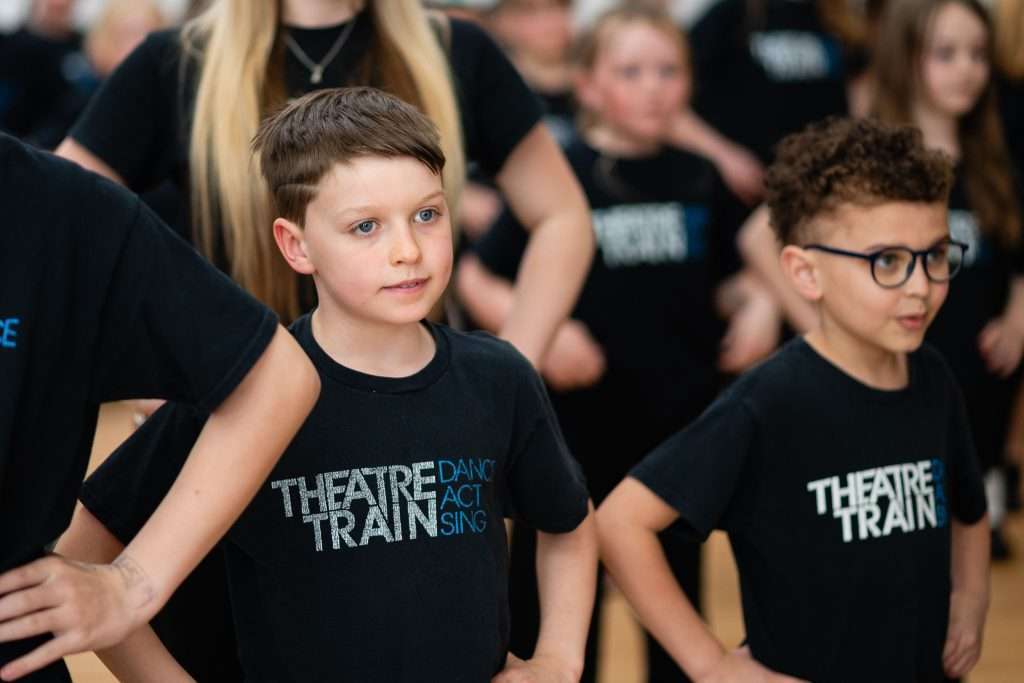
One of the quieter worries parents often have before their child starts a new activity isn’t about ability or confidence.
It’s this:
“What if they don’t make friends?”
It’s rarely asked directly, but it sits underneath many decisions – especially when children are joining somewhere new, don’t know anyone yet, or take a little time to warm up socially.
So let’s talk honestly about how friendships actually form at Theatretrain, because the reality is often very different from what parents imagine.
First sessions can feel socially uncertain - and that’s normal
When a new child arrives, they’re stepping into an established group. Other children already recognise faces, understand routines and know where they belong.
That can feel daunting at first.
To make those early moments easier, new students are introduced straight away to one of our Welcome Ambassadors – an existing student whose role is to help new children settle in.
The ambassador introduces them to the wider group so they’re not left navigating introductions alone.
This removes one of the biggest social barriers immediately: not knowing how to join in.
How children actually work together in sessions
Parents sometimes imagine children naturally forming friendship groups straight away.
In reality, friendships tend to grow through shared experiences rather than instant conversations.
During sessions, children work in a variety of ways:
sometimes in pairs
sometimes in small groups
sometimes as one large ensemble
Groups rotate regularly so children work alongside different classmates each time.
If teachers notice the same children sticking together too much (or someone becoming isolated) they gently mix the group using simple techniques.
For example, children might be grouped by:
birthday month
hair colour
height
eye colour
It sounds simple, but it works brilliantly because no one feels singled out or chosen last. Everyone moves naturally into new social combinations.
The goal isn’t forced friendships, it’s repeated opportunities to connect.
Where friendships really begin
nterestingly, friendships don’t usually form during the structured parts of class.
They begin in the small, unplanned moments.
Break times are often where you first see connections appear. Children chatting casually, laughing together, or choosing to stand next to the same person again.
By then, they’ve already shared experiences:
warm-up games
group challenges
creative activities
moments of laughter
Familiarity comes first. Friendship follows.
What parents often expect (and what actually happens)
A common misconception is that children should make close friends immediately after the first session.
When that doesn’t happen, parents sometimes worry the activity isn’t the right fit.
But friendships rarely form instantly, especially in new environments.
What we usually see instead is a gradual process:
Children recognise familiar faces.
They begin working together comfortably.
Conversations start naturally.
Friendships develop over time.
Connection grows through repeated shared experiences, not a single session.
A real example we see often
One child joined Theatretrain knowing nobody at all.
Within minutes of the session starting, children were organised into groups by birthday month.
Our new student happened to share an August birthday with two others. Something that immediately gave them a point of connection.
As the youngest in their school year, birthdays had sometimes been difficult because friends were away during summer holidays. Suddenly they were alongside children who shared similar experiences.
That small moment removed social pressure instantly.
By the end of the session, conversation felt easier. Over the following weeks, those familiar faces became genuine friendships.
What teachers deliberately do (without children noticing)
A lot of social support happens quietly in the background.
Teachers intentionally:
rotate partners regularly
use ensemble activities rather than fixed groups
introduce team-based tasks
create shared successes instead of competition
These structures mean children interact with many peers naturally, rather than feeling locked into existing friendship circles.
When friendships usually start to appear
While every child is different, many parents notice changes around weeks two to four.
Children who arrived unsure often begin to:
walk in recognising classmates
mention names at home
chat more comfortably during breaks
look forward to seeing specific friends again
Confidence and friendship tend to grow together.
Younger children and teenagers, is it different?
The process is surprisingly similar across ages.
Younger children often connect through play and shared activities.
Teenagers may take slightly longer, but friendships often form through collaboration. Working together creatively or supporting each other during rehearsals.
In both cases, shared interests make a significant difference.
As I often say:
Children tend to make friends at Theatretrain because they are among people who have the same interests as them.
That common ground removes much of the social pressure children feel elsewhere.
Do friendships extend beyond Theatretrain?
Very often, yes.
Parents frequently tell us their children begin talking about classmates at home, arranging meet-ups, or feeling more socially confident in other areas of life too.
Sometimes the biggest change is the confidence to form friendships more easily everywhere else.
If your child is worried about making friends
It’s completely normal to wonder how your child will fit into a new group.
Most children settle gradually as the environment becomes familiar.
The important thing is having the space and opportunities for connection to grow naturally.
A Theatretrain taster session simply allows children to experience that environment for themselves and see how it feels.
Find out more about our
amazing performing arts classes here
Theatretrain Leicester
Saturdays
Brockington College
10am-1pm