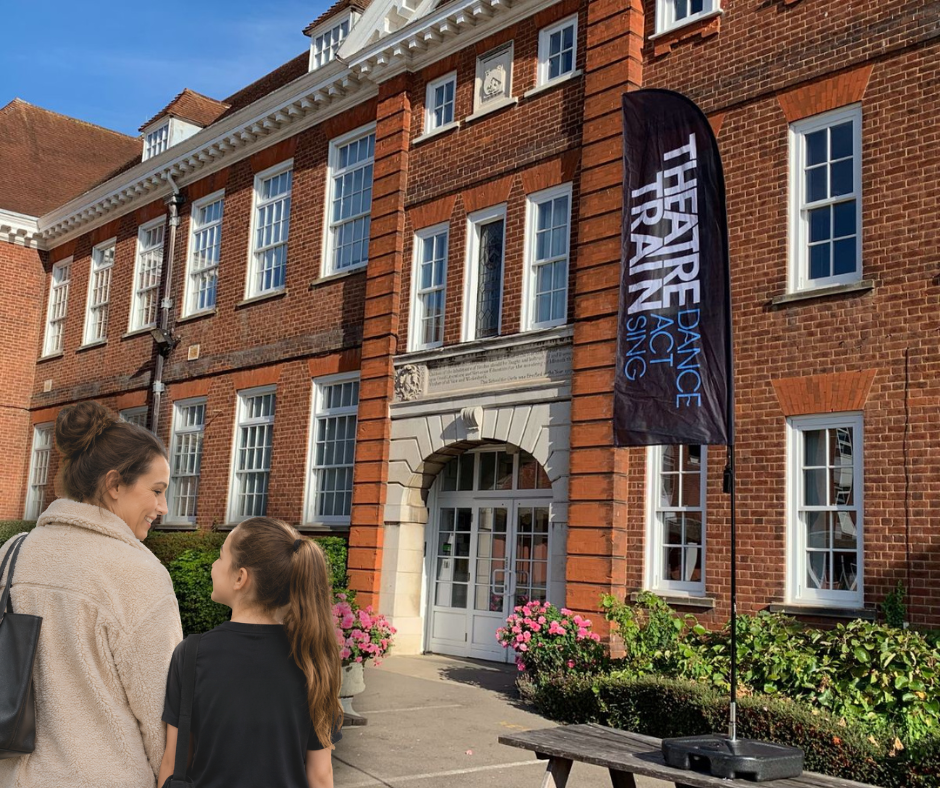
Many parents quietly wonder whether theatre classes are actually the right environment for a shy child.
They might love singing at home.
They might perform whole shows in the living room.
But put them in an unfamiliar room full of new faces?
That feels very different.
So let’s talk honestly about what we really see.
First: what “shy” usually looks like on week one
A very shy child doesn’t usually burst into tears or cause a scene.
More often, they:
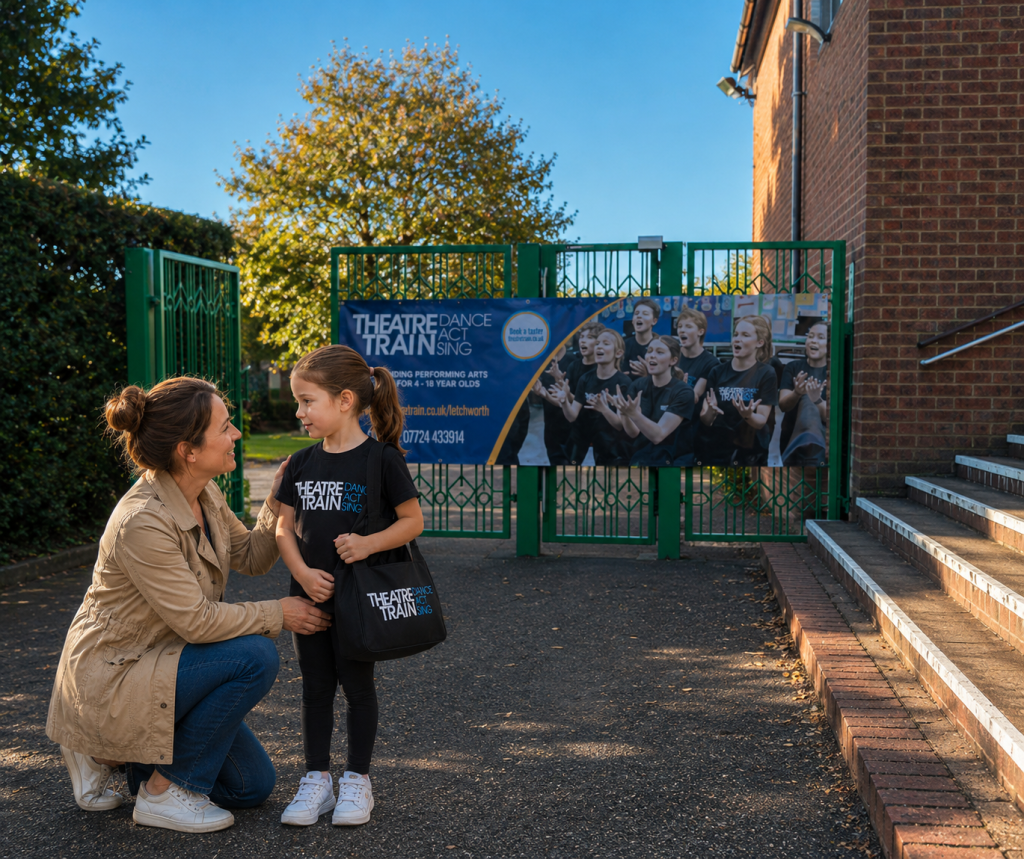
hang back at the door
avoid eye contact
don’t speak to anyone
stand quietly at the back
watch everything without joining in
Sometimes they participate physically but say nothing.
And occasionally, they decide they don’t want to go in at all.
When that happens, we don’t push.
If a child isn’t ready to walk into the room, that’s not failure.
Sometimes we suggest trying again another week. A second visit often feels completely different once the environment is more familiar.
When it might not be right (yet)
There are rare occasions when I gently suggest waiting.
For example, some very young four-year-olds who are just starting school can find adding another new setting overwhelming.
Or occasionally, a child feels so anxious they can’t step into the room at all.
That doesn’t mean theatre isn’t for them.
It simply might not be the right moment.
And that honesty matters.
What usually happens by week two
If a shy child returns for a second session, something subtle often shifts.
The most common turning point?
Recognition.
They walk in and realise:
“I’ve seen these people before.”
They might not speak much yet, but recognising another child (even just one) reduces uncertainty dramatically.
That’s often the beginning of a friendship.
What we typically see within four weeks
In most cases, within about four weeks we start seeing visible change.
Children who once stood at the back begin:
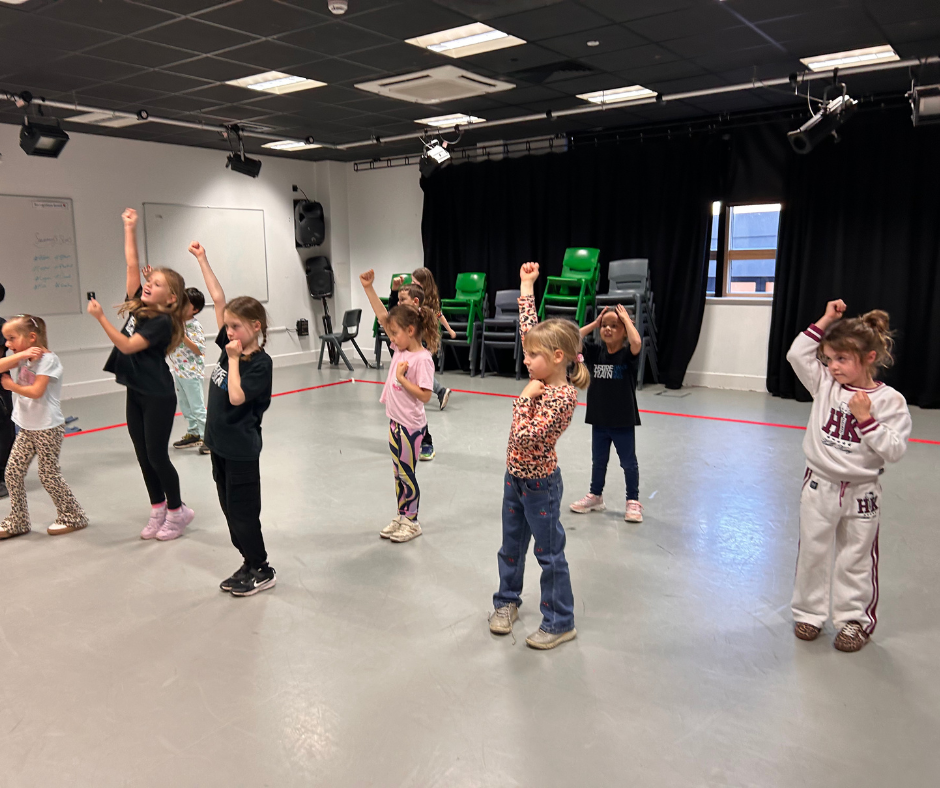
joining in warm-ups
speaking during small group work
laughing during games
mentioning other children by name
It’s gradual, but it’s consistent.
In my experience, around 99% of shy children who stay beyond the first few weeks settle beautifully.
What parents often say when they’re unsure
After a taster, the most common phrase I hear is:
“She doesn’t know yet.”
That’s completely normal.
New environments take processing.
Children don’t always leave saying, “That was amazing!” – especially if they’ve spent most of their energy simply navigating something new.
Sometimes “I don’t know yet” really means:
“I need another go.”
What makes this different from school
Parents often compare it to:
school classrooms
PE
school drama clubs
The difference is tone and structure.
At Theatretrain:
sessions are creative and collaborative
movement always tells a story
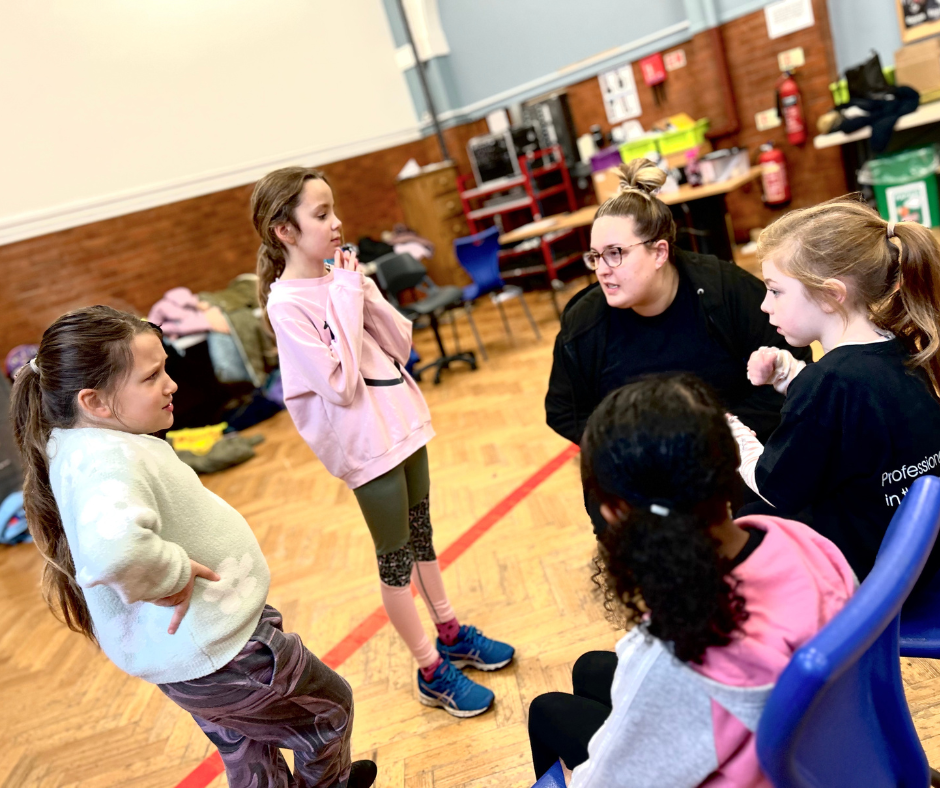
teachers know every child by name
groups are intentionally mixed
there’s structure without academic pressure
It isn’t about performance grades or classroom answers.
It’s about participation at your own pace.
The teacher-to-student ratio, the predictable session flow and the emphasis on encouragement make the social environment feel safer than many school settings.
The real turning point
The moment I see most often is when a child walks in on week two and recognises someone.
That tiny flicker of familiarity is usually the start of belonging.
And belonging builds confidence far more effectively than being told to “be brave”.
A note for nervous parents
I often find parents are more nervous than their children.
I understand that – I’m a mum too.
When your child is with us, they’re treated like one of my own.
That doesn’t mean pushing them beyond what they’re ready for.
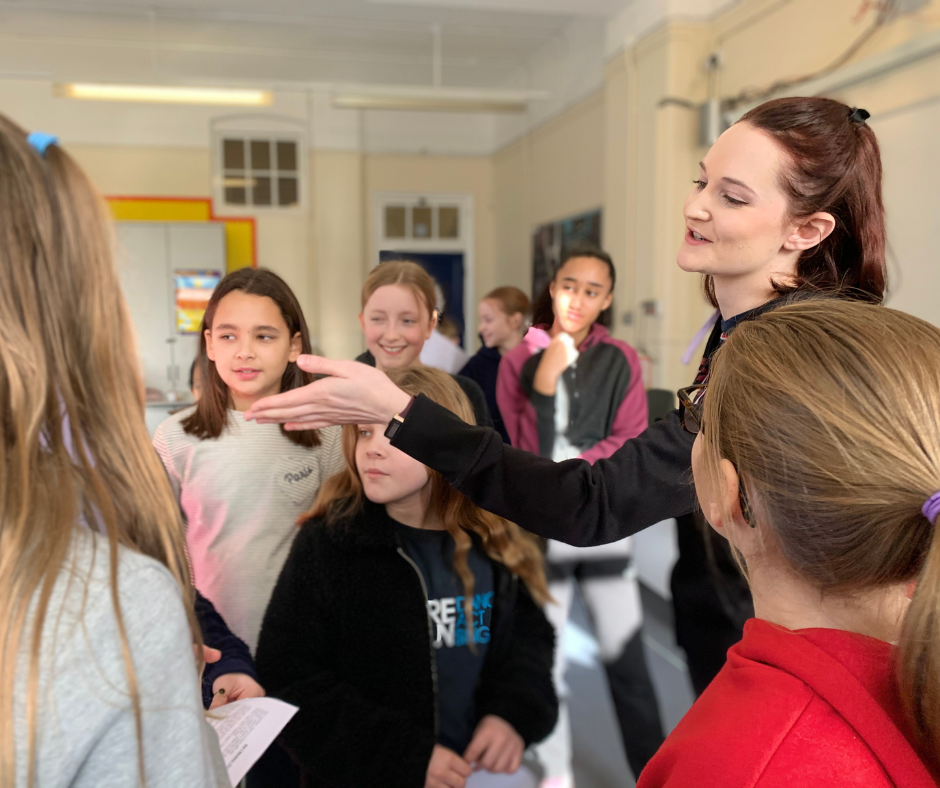
It means guiding gently, noticing small wins and knowing when to step back.
So… is theatre right for a shy child?
Often, yes.
Because theatre gives shy children:
repeated exposure to safe social interaction
structured creative expression
predictable routines
and a group of peers who share the same interests
Confidence usually grows in small, steady steps.
The question isn’t whether your child is shy.
It’s whether they’re ready to try – even if that first try is simply walking into the room.
Find out more about our
amazing performing arts classes here
Theatretrain Hitchin
Saturdays
Hitchin Girls School
9.30am-12.30pm
Theatretrain Letchworth
Saturdays
St Christopher’s School
9am-12pm
Theatretrain Stevenage
Saturdays
Marriotts School
1.30pm-4.30pm