July 24, 2025

Developing Social Skills Through Ensemble Theatre at Theatretrain

Social skills are vital for a child’s success and wellbeing. Theatretrain’s ensemble theatre offers an engaging way for children to develop communication, cooperation, and connection skills. This blog explores how Theatretrain’s group-based creative activities foster social development that benefits children both on and off stage.

Ensemble Theatre: More Than Just Performing Together

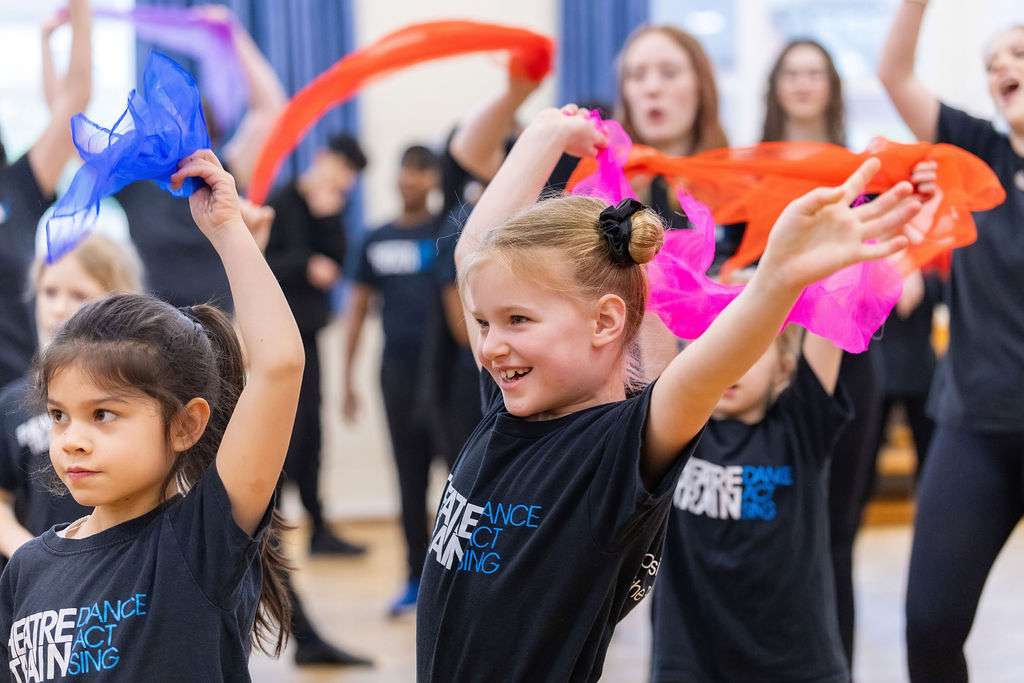
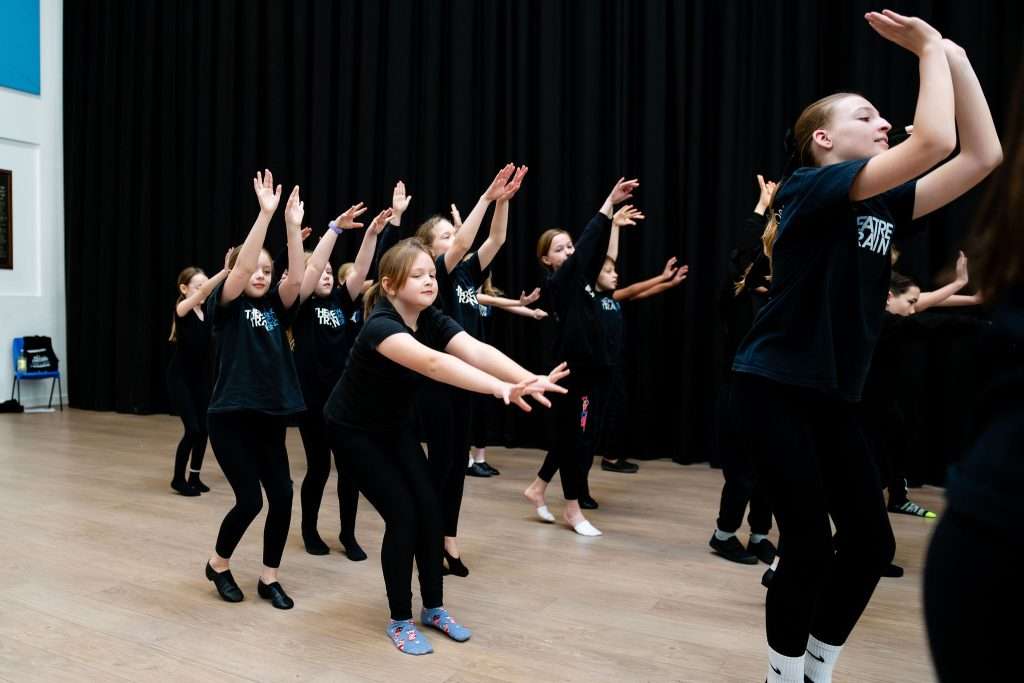
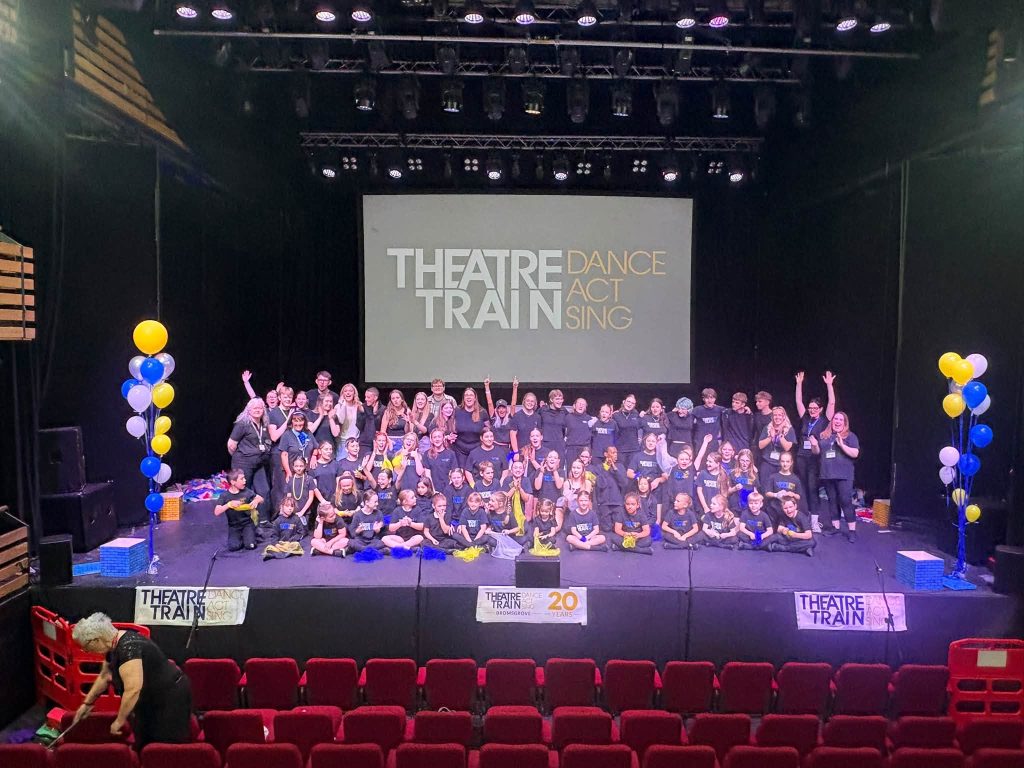
Ensemble theatre is not just about acting alongside others—it’s about building meaningful relationships and learning to work as one. Theatretrain classes focus on collaboration, encouraging children to listen actively and respond thoughtfully.

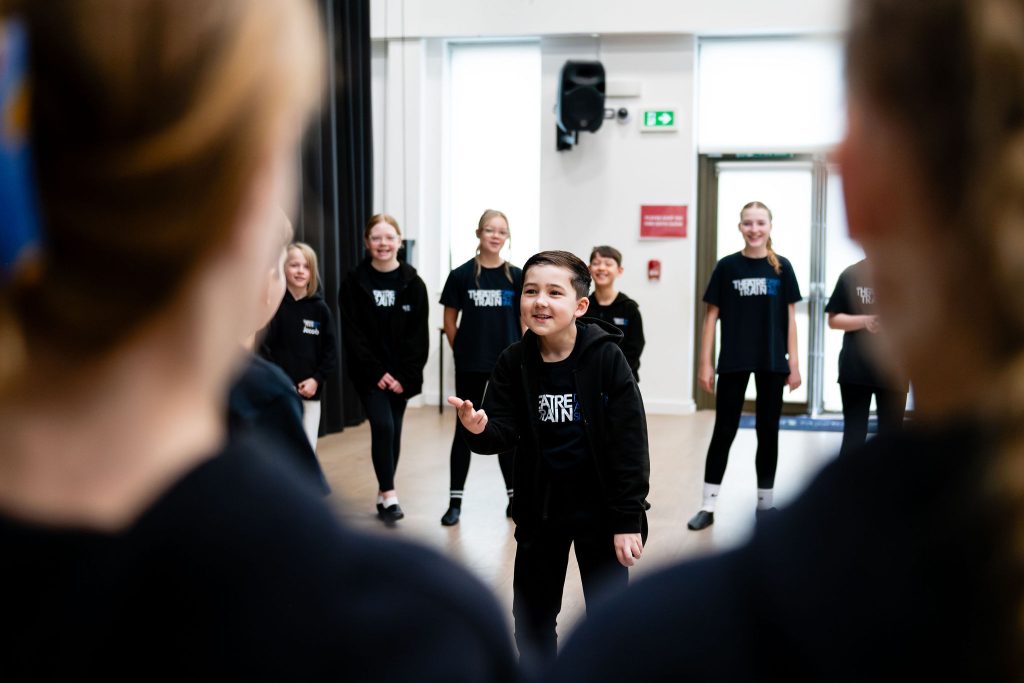
This process helps children improve communication skills, such as understanding body language, tone, and timing. Through shared storytelling, students become more empathetic and aware of others’ perspectives—a skill that transfers naturally to everyday life.

Teamwork and Cooperation: Essential Life Skills

Teamwork is at the heart of every successful theatre production, and at Theatretrain, children learn to rely on one another. This experience teaches them to value each person’s contribution, respect differences, and solve conflicts constructively.

Such skills are vital for school projects, sports teams, and future workplaces. Theatretrain provides a safe space to practise cooperation and compromise, boosting children’s confidence in group settings.

Building Friendships and Belonging

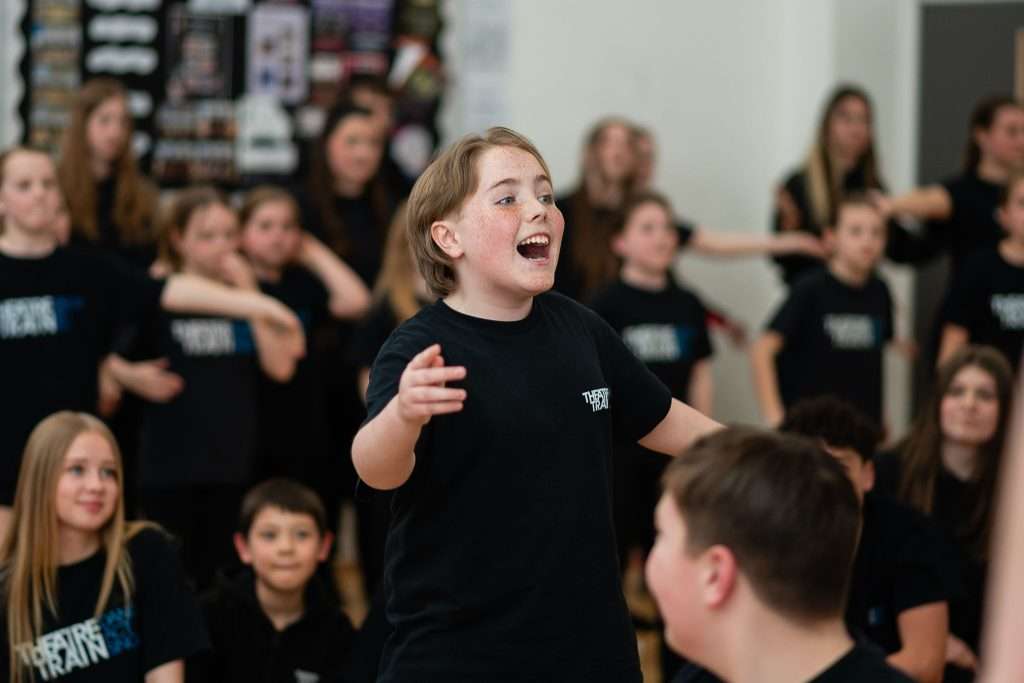
Being part of an ensemble gives children a strong sense of belonging. They develop friendships through shared experiences, laughter, and the achievement of common goals.

This feeling of connection supports children’s emotional wellbeing, reducing feelings of loneliness or exclusion. Parents often notice their children coming home excited to share stories about their new friends and collaborative projects.

Final Thoughts: Social Skills That Shine Offstage

Social skills developed at Theatretrain extend beyond the studio. Children become better listeners, communicators, and collaborators. These abilities help them navigate school, extracurricular activities, and social situations with greater ease and confidence.

For parents seeking a creative and effective way to support their child’s social development, Theatretrain’s ensemble theatre approach offers a winning solution.

📍 Find your local Theatretrain centre and give your child the gift of lasting social skills.
Theatretrain, a nationwide provider of weekend theatre schools for young people aged 4-18, specialises in weekly classes in acting, singing, and dancing. An emphasis is placed on learning valuable life skills such as confidence, empathy, courage, and resilience. If you know a child who loves to dance, act and sing or could do with a little confidence boost why not visit to find out what our performing arts classes can offer your child at one of our 80 locations across the UK.

Related Articles

The Science of Stage Presence: What Happens to the Brain When Kids Perform

There’s real science behind the sparkle. When children perform, their brains light up in remarkable ways. Theatre, dance and singing don’t just build confidence — they literally rewire the brain for communication, concentration and empathy. Understanding how performance affects development can help parents appreciate the deeper value of the arts. Here’s why stepping onto a stage can be one of the smartest things a child can do.
Read more >

How Performing Arts Help Children Develop Life Skills Beyond the Stage

Theatretrain offers much more than performing arts training—it fosters critical life skills that children carry into all areas of life. Through ensemble theatre and creative challenges, children develop confidence, adaptability, teamwork, and emotional resilience. This blog explores how these skills form a foundation for success far beyond the stage.
Read more >

Together We’re Unshakeable

In this week’s blog, Theatretrain Artistic Director Kevin Dowsett explores what it really means to become “unshakeable together”. It is not about never feeling nervous, disappointed or unsure, but learning how to recover, keep going and support one another along the way. Through performance, teamwork and shared challenges, young people discover that resilience grows when we face difficult moments together — and that asking for help is a strength, not a weakness.
Read more >