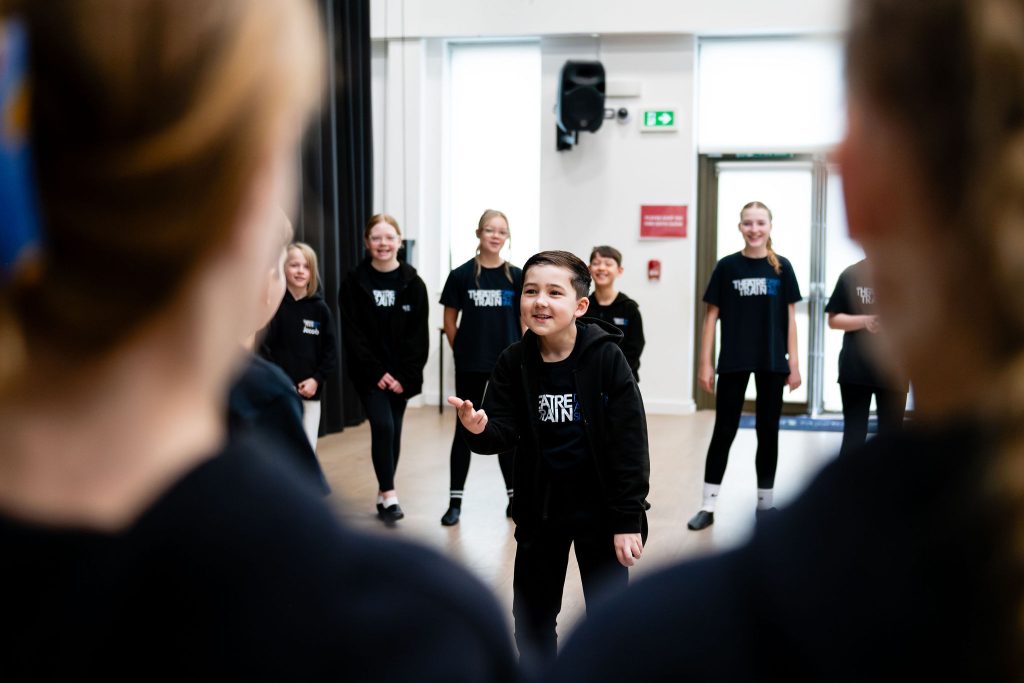
In today’s fast-paced and tech-driven world, it’s easy to overlook the profound impact that performing arts education can have on young minds. However, the benefits of engaging in the arts—whether it’s theatre, dance, music, or any other form of performance—extend far beyond the stage. At our performing arts school, we have witnessed first hand how transformative these experiences can be for children and teens. Here are some of the key benefits of performing arts education:
Emotional Benefits
Boosting Self-Confidence and Self-Expression
Performing arts provide a unique platform for young people to express themselves creatively. Whether they are delivering a powerful monologue, executing a complex dance routine, or playing an instrument, students learn to trust their abilities and take pride in their accomplishments. This boost in self-confidence often extends into other areas of their lives, helping them to tackle challenges with greater assurance.
Enhancing Emotional Intelligence
Engaging in the performing arts requires students to explore a wide range of emotions and characters. This exploration helps them to develop a deeper understanding of themselves and others. By stepping into different roles and scenarios, they learn empathy and the ability to manage their own emotions more effectively. This emotional intelligence is crucial for personal development and forming healthy relationships.
Social Benefits
Building Teamwork and Collaboration Skills
Many performing arts activities are inherently collaborative. Whether it’s a theatre production, a dance troupe, or an orchestra, students must work together to achieve a common goal. This collaboration teaches them the value of teamwork, communication, and mutual respect. They learn to listen to others, share ideas, and compromise—skills that are essential in any group setting, whether in school or in their future careers.
Improving Communication Abilities
Performing arts students often find themselves in situations where they must convey ideas and emotions effectively, both verbally and non-verbally. This practice enhances their communication skills, making them more articulate and confident speakers. These abilities are not only useful on stage but are also invaluable in academic presentations, social interactions, and future professional environments.
Academic Benefits
Enhancing Cognitive Abilities and Academic Performance
Numerous studies have shown a strong correlation between participation in the arts and improved academic performance. The discipline and focus required in the performing arts translate to better study habits and greater academic achievement. For instance, learning to play a musical instrument has been linked to improved mathematical skills, while acting can enhance reading comprehension and critical thinking.
Cultivating Discipline and Focus
The performing arts demand a high level of discipline and focus. Students must practise regularly, memorise lines or routines, and continually strive to improve. This rigorous training instils a strong work ethic and the ability to concentrate deeply on tasks. These skills are transferable to all areas of life, helping students to manage their time effectively and pursue their goals with determination.
The benefits of performing arts education are multifaceted, impacting students emotionally, socially, and academically. At our performing arts school, we are dedicated to nurturing these talents and helping each student realise their full potential. Whether your child dreams of a career on the stage or simply wants to explore their creative side, the performing arts offer invaluable life lessons and opportunities for personal growth.
If you’re interested in learning more about our programmes or enrolling your child, please contact us or visit our website for more information. Let’s work together to unlock your child’s potential through the power of the performing arts!