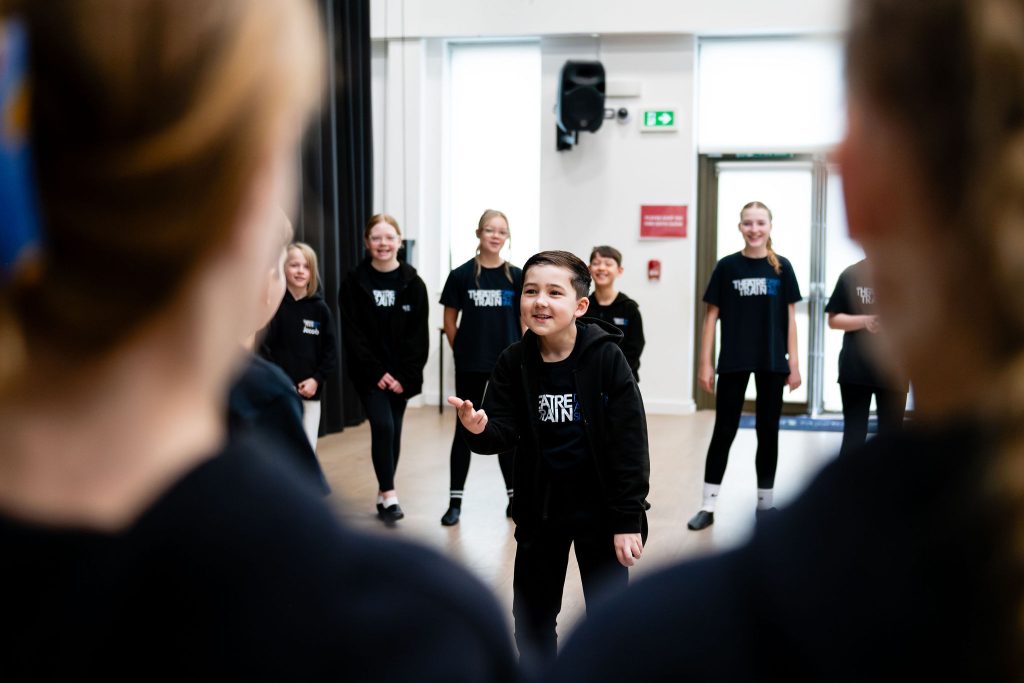
When parents look for activities outside of school, they usually want something that builds confidence, encourages friendships, and teaches skills that last. Performing arts classes at Theatretrain do all of this, while placing teamwork at the heart of every activity.
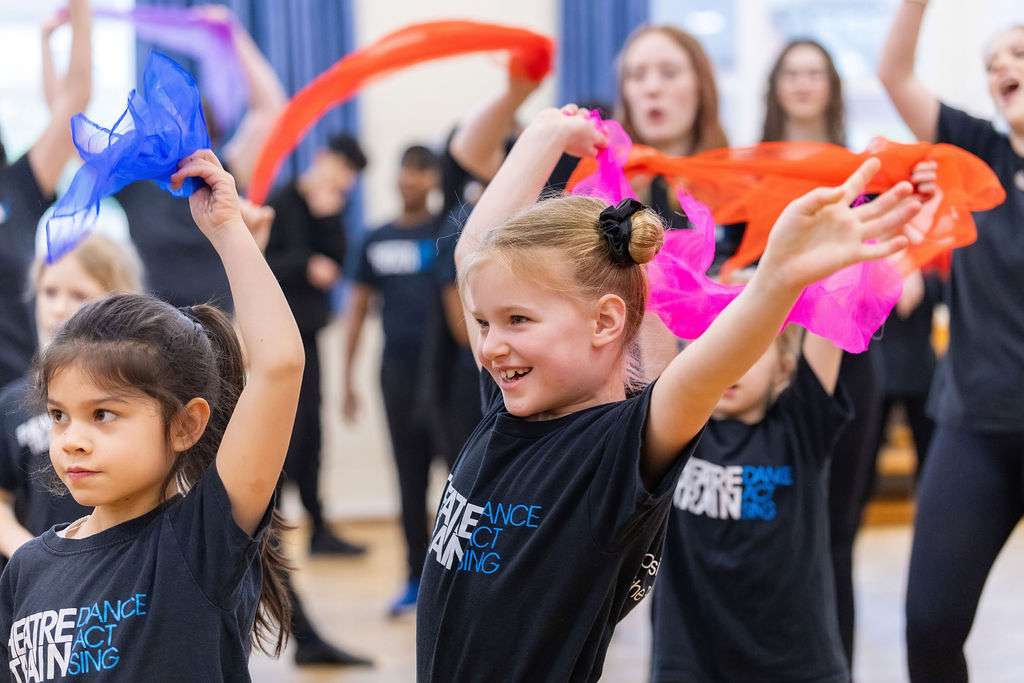
From the very first session, children are encouraged to work with others — whether that means learning a dance routine in sync, harmonising in song, or developing characters in a group drama exercise. Unlike many activities where children might work in isolation, performing arts demands collaboration. It is this collaboration that becomes the secret ingredient to growth.
Teamwork in Performance
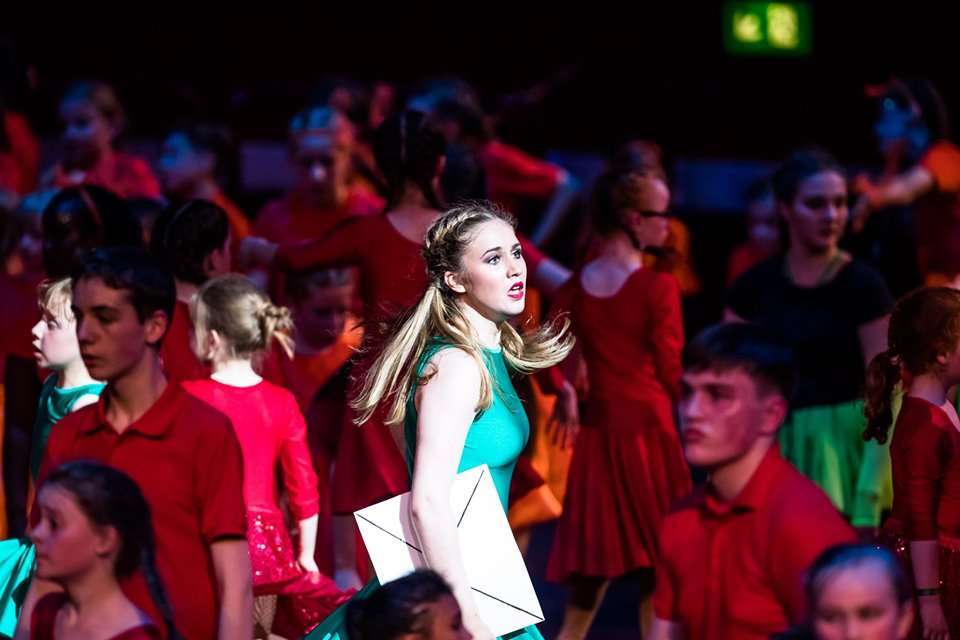
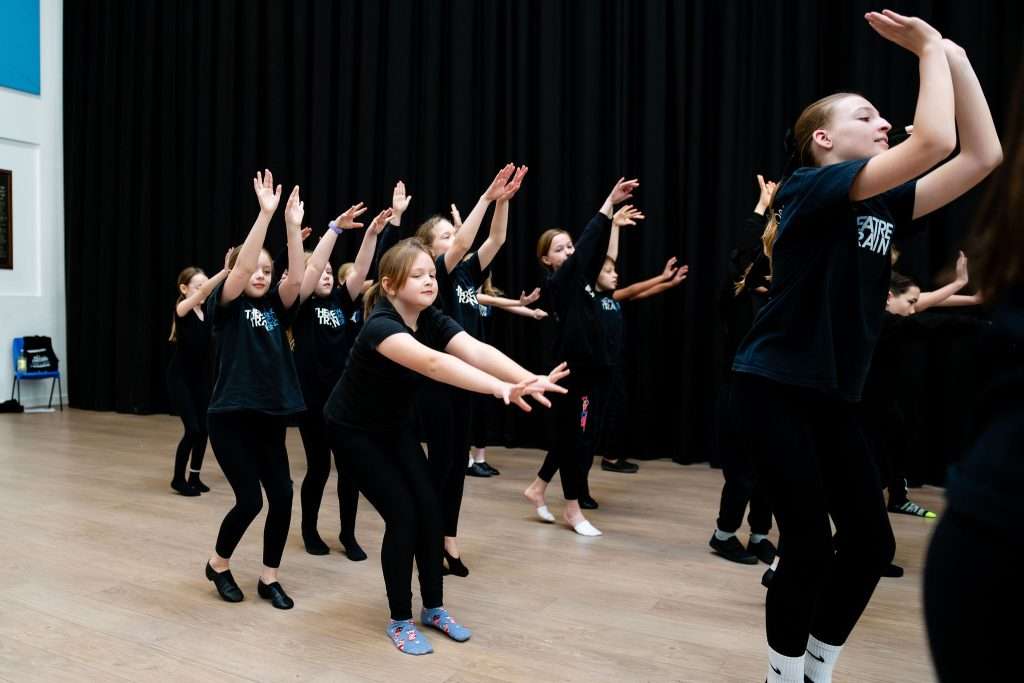
Theatretrain’s acting, singing, and dancing classes are designed to help children understand that every individual has a role to play. For example, in a musical number, one child might take the lead vocal, while others provide harmonies. Dancers learn to listen and respond to one another’s movements, and in drama, a scene comes alive only when each performer responds to their peers.
This constant collaboration teaches young people that success is rarely about one person alone. Instead, it is about contributing towards a bigger picture.
Transferable Skills for School
The ability to work well with others is highly valued in school. Group projects, sports teams, and even classroom discussions rely on cooperation. Children who experience teamwork in performing arts often find themselves more comfortable listening to peers, sharing ideas, and respecting different viewpoints.
Teachers regularly notice that children who take part in theatre or music-based activities develop stronger social skills and are often more willing to take on leadership roles. These qualities help them excel not only in creative subjects but across the curriculum.
Confidence for College and Beyond
As young people move into college or university, teamwork becomes even more important. Group assignments, presentations, and community activities all demand the ability to collaborate. Theatretrain students often arrive better prepared for these challenges because they have spent years learning how to communicate clearly, take responsibility, and adapt to group dynamics.
Employers also value these skills. A candidate who can work effectively in a team is more likely to thrive in the workplace, whether they become a teacher, engineer, lawyer, or performer.
Building Empathy and Resilience
Teamwork is not only about achieving goals together; it is also about understanding others. When children work in a Theatretrain group, they encounter different personalities and perspectives. They learn patience, empathy, and the resilience to keep going even when things don’t go perfectly. For instance, if a performance rehearsal doesn’t run smoothly, the group learns to support one another and try again.
These experiences prepare children for real-life challenges. From handling disagreements at school to collaborating with colleagues later in life, teamwork nurtures emotional intelligence that helps them succeed.
Friendships Through Teamwork
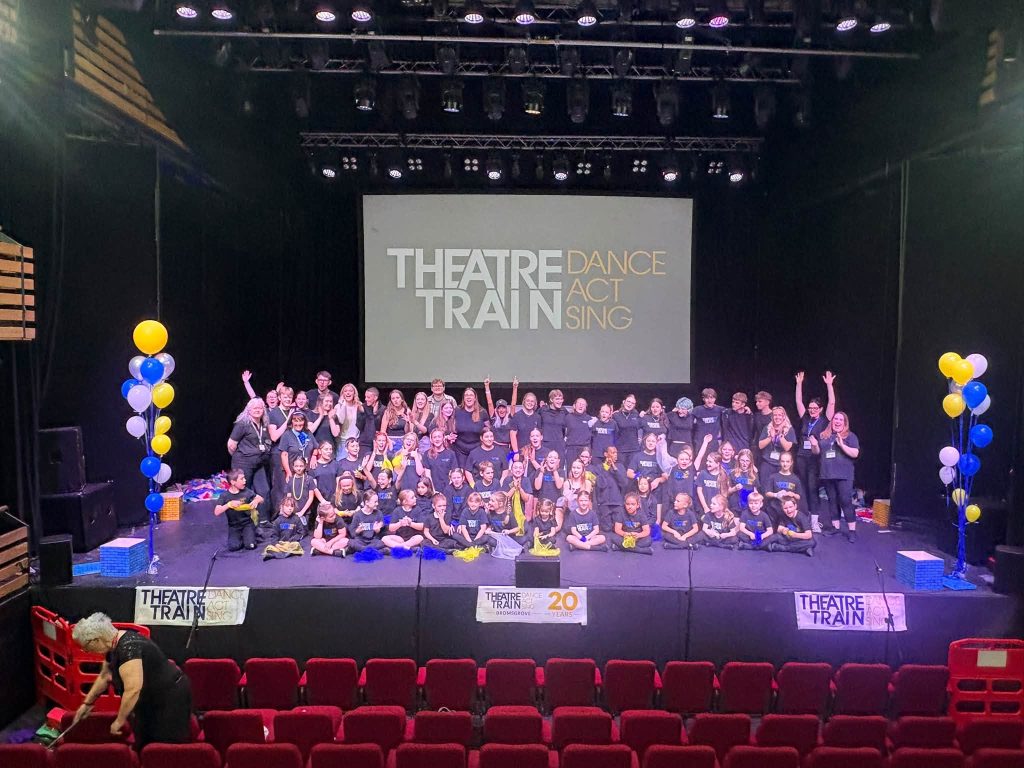
One of the most rewarding aspects of teamwork at Theatretrain is the friendships it fosters. Working towards a common goal creates bonds that are both meaningful and long-lasting. Children feel part of something bigger, which gives them a sense of belonging and boosts their self-esteem.
A Foundation for Life
Parents who enrol their children in Theatretrain quickly see that acting, singing, and dancing are just the beginning. The teamwork involved in each activity provides lessons that shape children into confident, resilient, and collaborative young people. Whether on stage, in school, or in their future careers, they carry these life skills with them.
By offering performing arts classes for children aged 4–18, Theatretrain helps the next generation learn how to work together, celebrate one another’s achievements, and develop the qualities needed for life’s many stages.