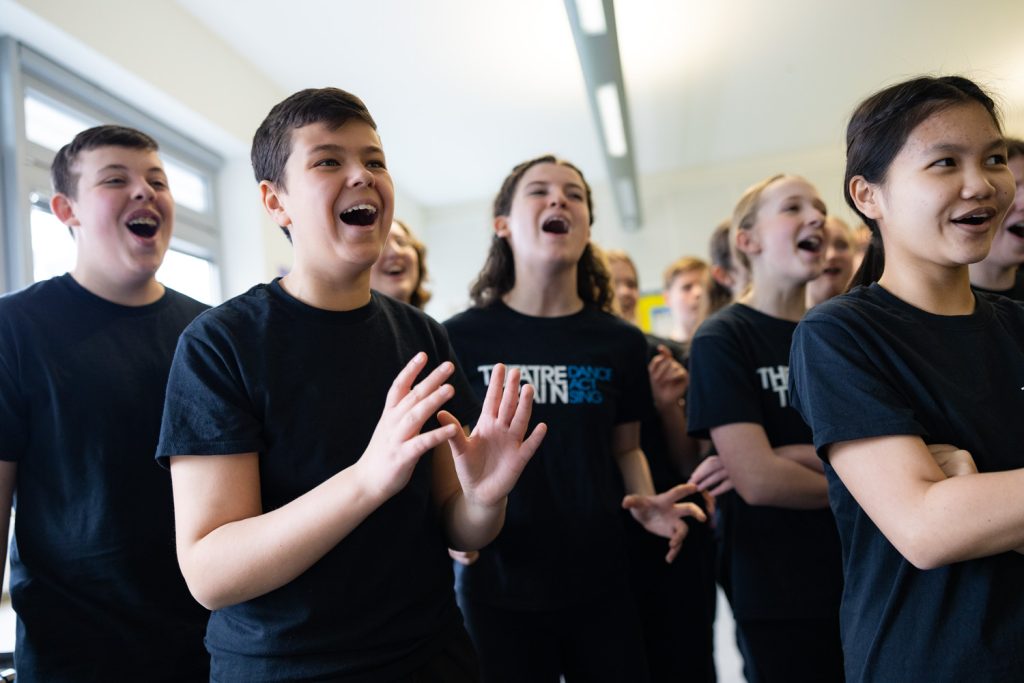
The Power of Singing for Confidence
Singing requires children to use their voice in new and powerful ways. When children learn to sing, they not only improve their vocal skills but also develop a sense of confidence in their ability to express themselves. For shy children, singing can be particularly transformative because it provides a clear, tangible way to communicate without words, allowing them to convey emotions through melody and rhythm.
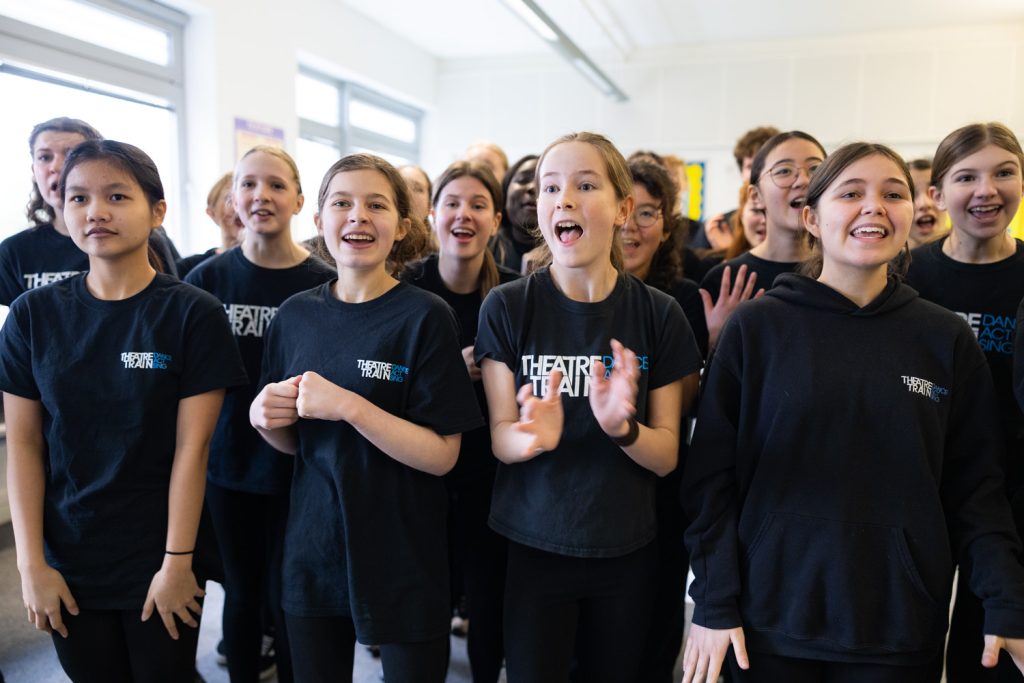
In group singing, such as in choirs or ensemble classes, children experience a sense of camaraderie and shared achievement. They learn to harmonise and blend their voices with others, which reinforces the idea that they are part of something bigger than themselves. This collaborative environment can significantly boost a child’s confidence, as they see that their unique voice contributes to the overall success of the group.
The Emotional Benefits of Singing
Research shows that singing has a number of emotional benefits for children. Studies from the University of Sydney’s Research Institute for the Arts and Social Development suggest that group singing reduces stress and anxiety while enhancing mood and boosting self-esteem. Singing engages the brain’s reward systems, releasing endorphins and oxytocin, which are hormones associated with happiness and bonding.
For children, this translates into increased confidence as they associate singing with positive emotions. The more they practice and perform, the more they see how their voice can be a tool for self-expression, which encourages them to take risks in other areas of their lives.
The Physical Benefits of Singing
In addition to the emotional benefits, singing also has physical advantages. Singing requires children to engage their diaphragm, improve their breathing control, and develop vocal strength. This has a positive impact on posture, lung capacity, and overall physical coordination.
These physical improvements can directly influence a child’s confidence, as they develop greater control over their body. The more they learn to control their breath and voice, the more in tune they become with their physical self, which leads to greater self-assurance.
How Singing Enhances Communication Skills
Children who sing regularly also develop better communication skills. Singing requires articulation, vocal projection, and clear pronunciation, all of which help children become more effective speakers. These skills extend beyond music and are beneficial in social situations, school presentations, and any scenario that requires clear communication.
By learning to speak with confidence in front of others, children gain the skills they need to participate in group discussions, answer questions in class, and express their thoughts and ideas clearly. Singing is an ideal platform for developing these skills, as it requires both verbal expression and emotional engagement.
Singing and Overcoming Stage Fright
For many children, the thought of performing in front of others can be intimidating. However, singing offers a unique way to overcome stage fright. In a supportive, non-judgemental environment, children can gradually build their comfort level with performing.
Start small, such as singing in front of a small group or family, and build up to larger performances. The more practice and exposure children get to performing, the more their fear of judgement diminishes.
The Role of the Instructor in Confidence Building
A supportive instructor can make all the difference in helping a child build confidence through singing. By offering positive reinforcement and constructive feedback, teachers create a nurturing environment that encourages children to take risks and embrace their own unique voice.
A skilled instructor will also help children work through nerves, guiding them through vocal exercises and breathing techniques to help them feel at ease. This sense of security is essential for children to feel confident enough to perform in front of others.
The Lasting Benefits of Singing
The confidence that children gain from singing extends far beyond the music classroom. It translates into increased self-esteem, improved social skills, and a greater sense of self-worth. By developing their voice, children also gain the confidence to speak up in other areas of their life, whether in school, at home, or with friends.
Research supports this connection between singing and confidence. Studies have found that children who engage in singing have stronger social skills and higher levels of emotional intelligence. These skills equip them to handle challenges, build relationships, and succeed in a variety of settings.
Singing is not only a fun and creative activity—it’s an incredible confidence booster. Through singing, children learn to express themselves, overcome fears, and develop the skills they need to succeed both on and off the stage. Whether they are singing in a choir or performing a solo, the confidence they gain from using their voice in front of others has lasting benefits that extend into every aspect of their lives.