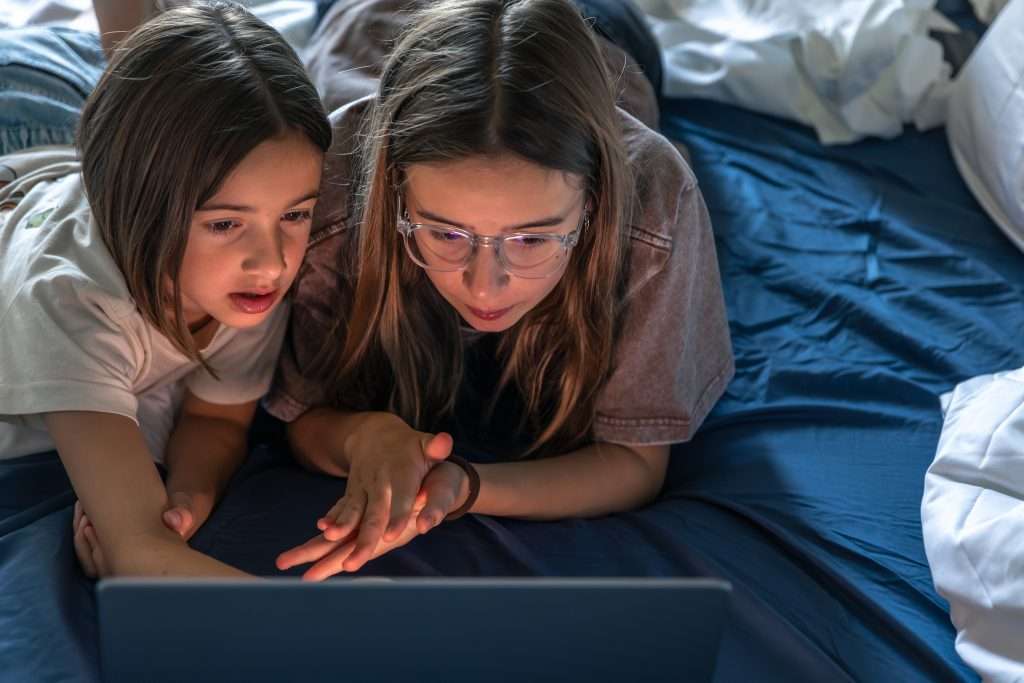
Screens are now part of everyday life for young people. From social media and gaming to online learning and streaming platforms, technology shapes the way children communicate, learn and spend their free time.
While there are positives to living in a digital world, many parents are also noticing the growing importance of balance. Young people still need opportunities to socialise face-to-face, express themselves creatively and build confidence away from a screen.
That is one of the reasons performing arts continues to play such an important role in the lives of so many children and teenagers.
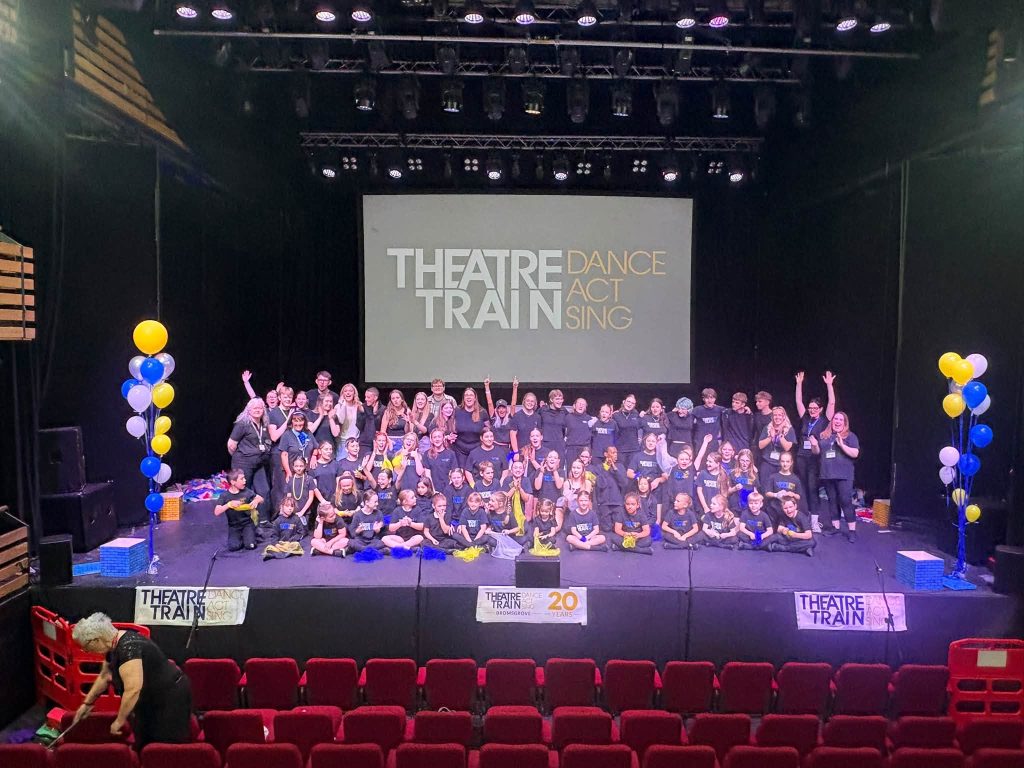
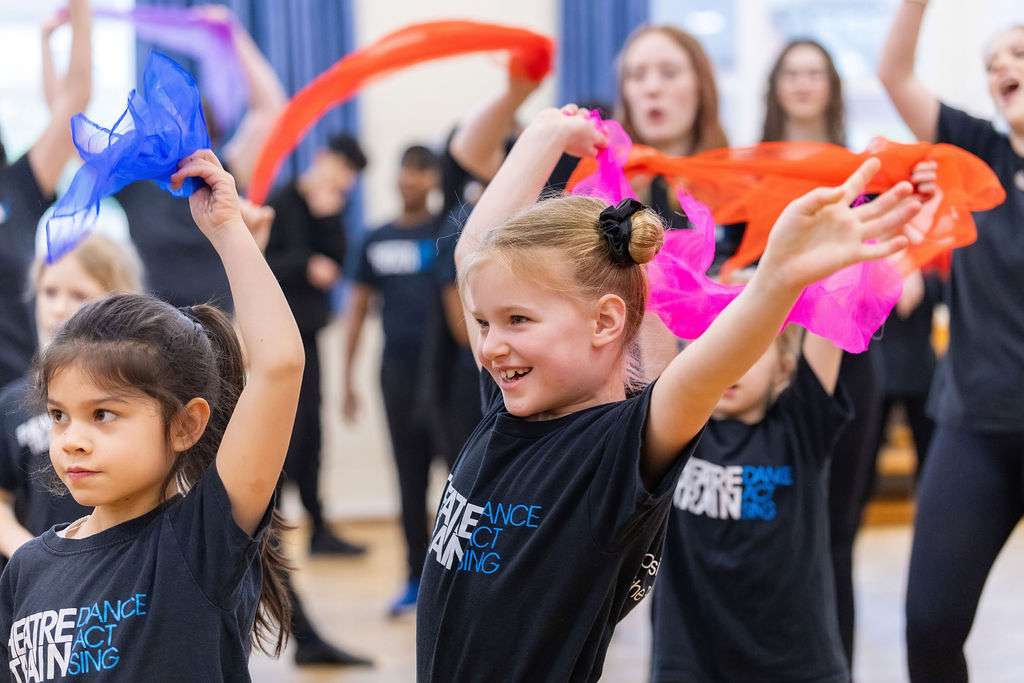
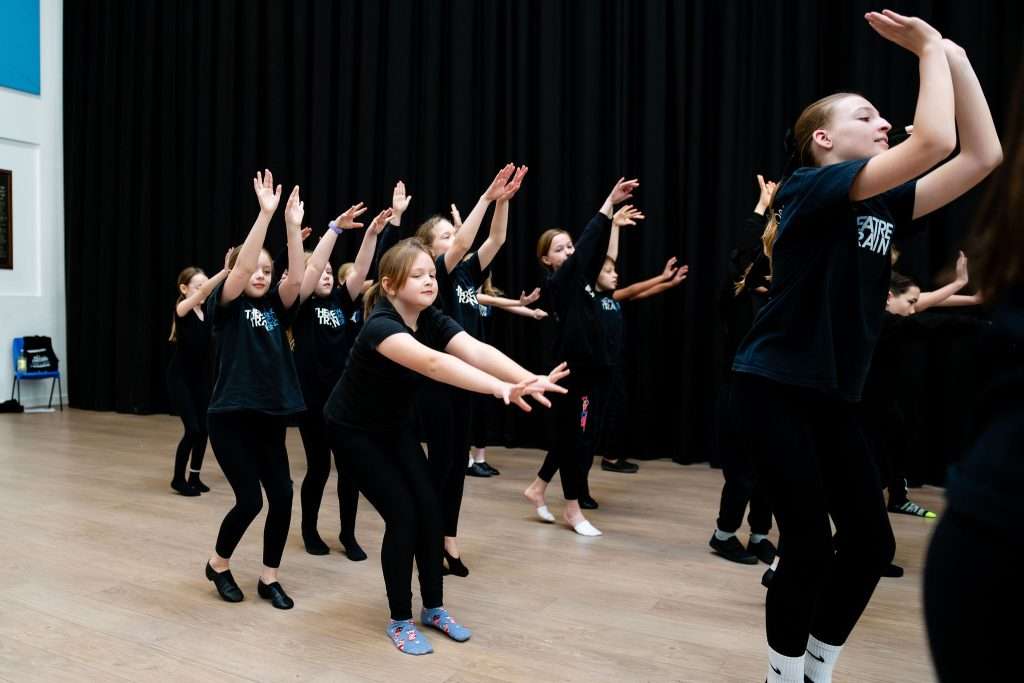
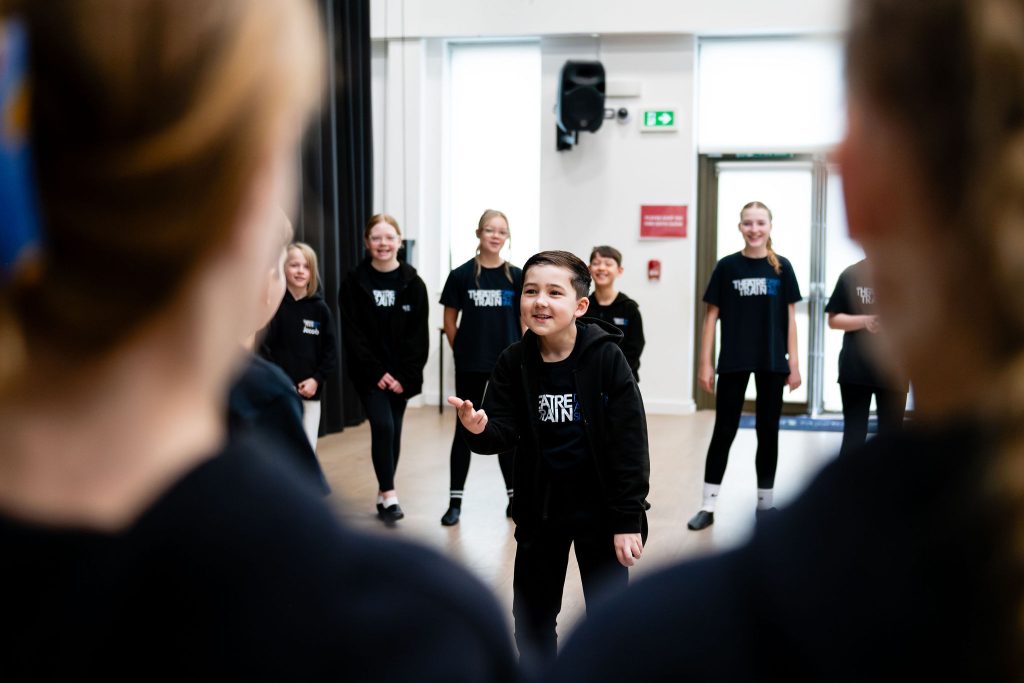
At Theatretrain, students spend three hours each weekend immersed in acting, singing and dancing, with dedicated time for each discipline. During those sessions, young people are encouraged to collaborate, communicate and support one another in a lively and creative environment.
Unlike digital interaction, performing arts requires real presence.
Students learn how to listen actively, respond to others, work as part of a team and communicate clearly. Whether rehearsing a scene, learning choreography or singing as part of an ensemble, they are constantly developing valuable social and interpersonal skills.
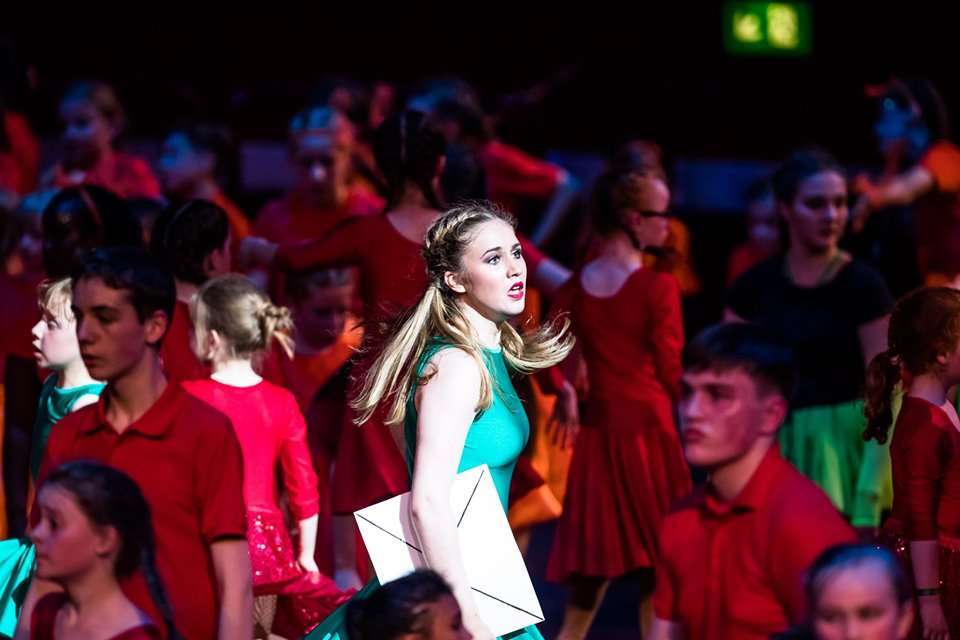
Performing arts also gives young people the freedom to express themselves in a healthy and positive way.
For some students, it becomes a space where they feel truly comfortable being themselves. For others, it offers an opportunity to step outside their comfort zone and discover new strengths. The confidence developed through performance often extends far beyond the stage and into school, friendships and everyday life.
Creativity is another major benefit.
While screens often encourage passive entertainment, performing arts encourages active participation. Young people are constantly thinking creatively, solving problems, exploring ideas and using their imagination. These experiences help students become more adaptable, resilient and confident in their own abilities.
There is also something incredibly valuable about shared experiences.
In performing arts, young people celebrate successes together, support one another through challenges and work collectively towards performances and creative goals. Those experiences help build friendships, trust and a genuine sense of belonging.
Most importantly, performing arts reminds young people that confidence is not measured by likes, followers or online popularity.
True confidence comes from learning new skills, trying something challenging, supporting others and discovering what you are capable of achieving.
In a fast-moving digital world, performing arts continues to provide something timeless — connection, creativity, communication and community.
And for many young people, that can make all the difference.