The Link Between Performing Arts and Leadership
Leadership is the ability to inspire and guide others, and performing arts classes are an ideal platform for children to develop these skills. By participating in drama, dance, or music, children learn to take initiative, motivate others, and collaborate effectively.
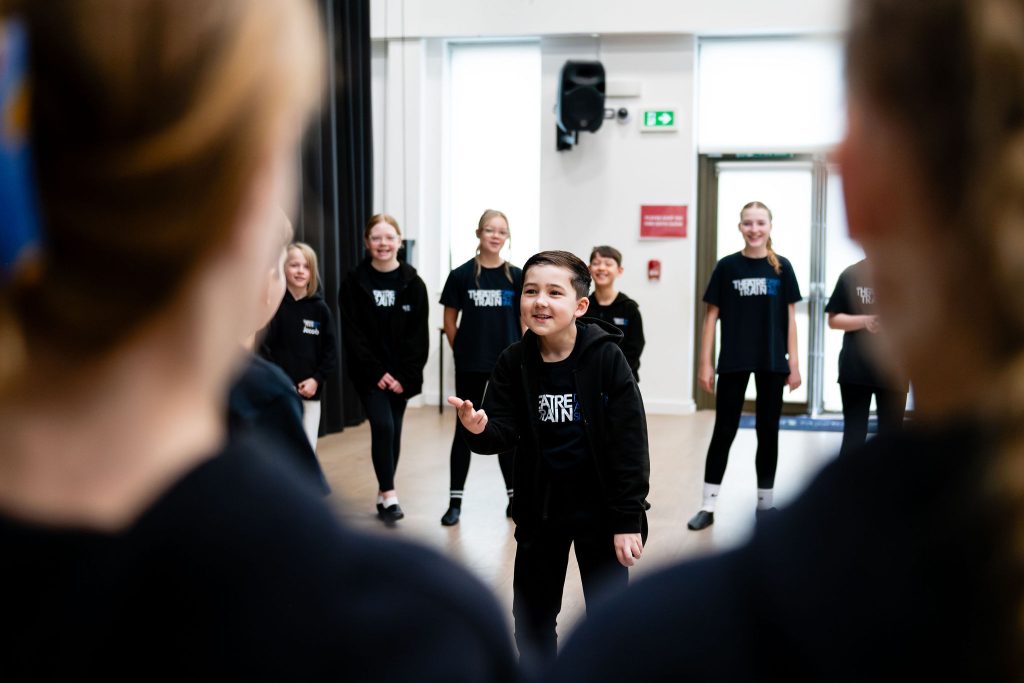
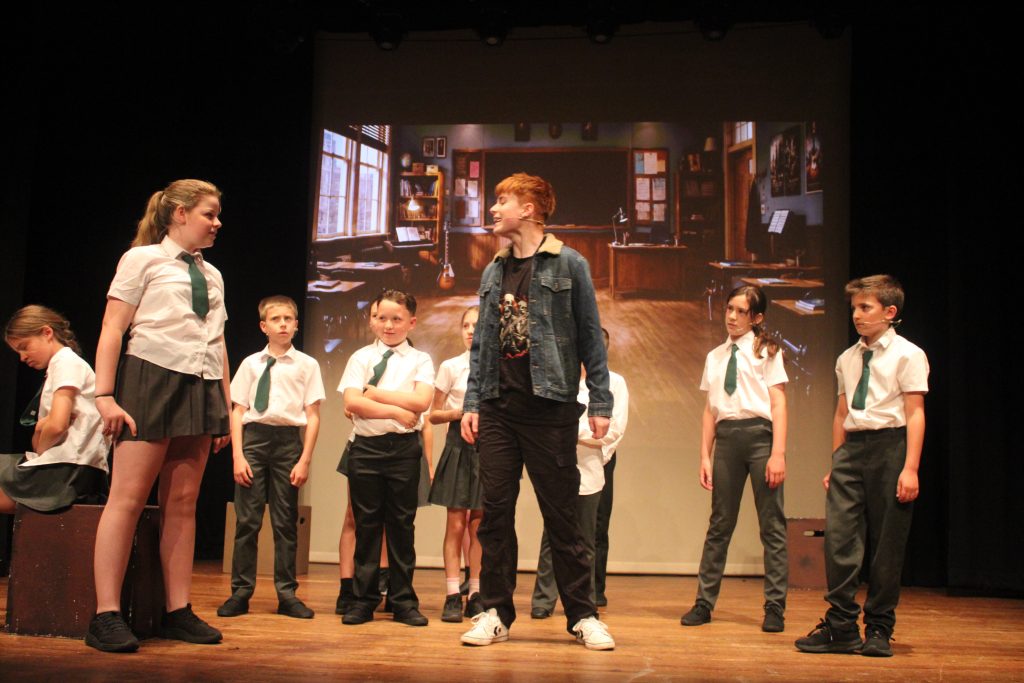
For example, in a theatre production, children may take on leadership roles, such as being in charge of a scene or directing fellow cast members. These roles require them to manage both people and tasks, while learning how to communicate instructions clearly and inspire their peers to perform their best.
Improved Communication Skills
Effective communication is one of the most important aspects of leadership, and performing arts classes provide children with countless opportunities to hone these skills. Whether in a group project, rehearsing for a play, or working with an ensemble, children learn how to express their ideas clearly, listen actively, and collaborate with others.
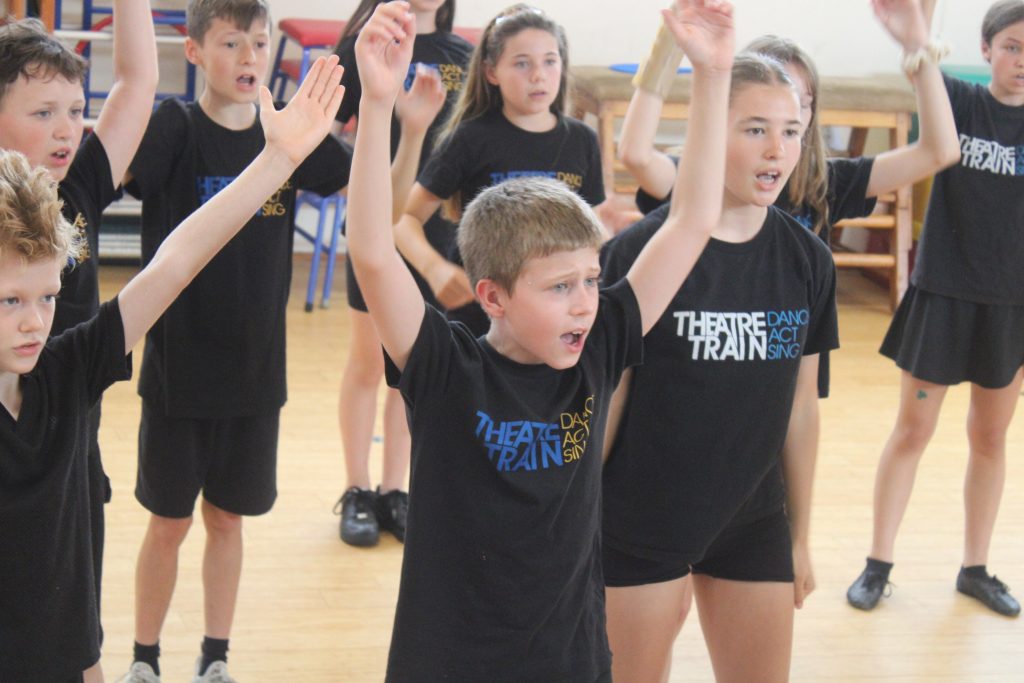
In drama classes, for example, children learn how to convey emotions and intentions through both words and body language. They become better at expressing their thoughts and ideas, and they develop the ability to listen and respond thoughtfully to others. These communication skills are crucial for effective leadership, as they allow children to guide, motivate, and connect with others in any setting.
Learning Responsibility and Accountability
Leadership requires taking responsibility, and performing arts classes offer plenty of opportunities for children to learn this essential skill. Whether it’s being accountable for memorising lines for a play, learning choreography for a dance performance, or ensuring a musical piece is ready for performance, children are given responsibilities that help them build accountability.
In group settings, children may also be tasked with helping others learn or take the lead in rehearsals. These experiences encourage them to develop a sense of ownership and responsibility for the success of the group, which is a vital leadership trait.
Confidence and Assertiveness
Leadership is closely tied to confidence and assertiveness. Performing arts classes help children develop these qualities by encouraging them to take risks, try new things, and step into leadership roles.
In drama, for instance, children may be called upon to direct or lead a group of peers in a scene. This requires them to speak with confidence, express their ideas clearly, and make decisions that affect the outcome of the performance. The more children engage in these activities, the more their self-assurance grows. This confidence is key to being a successful leader.
Collaboration and Teamwork
Being a leader does not mean working alone—it involves working effectively with others. Performing arts classes are highly collaborative environments, where children learn the value of teamwork and how to guide others to achieve a common goal.
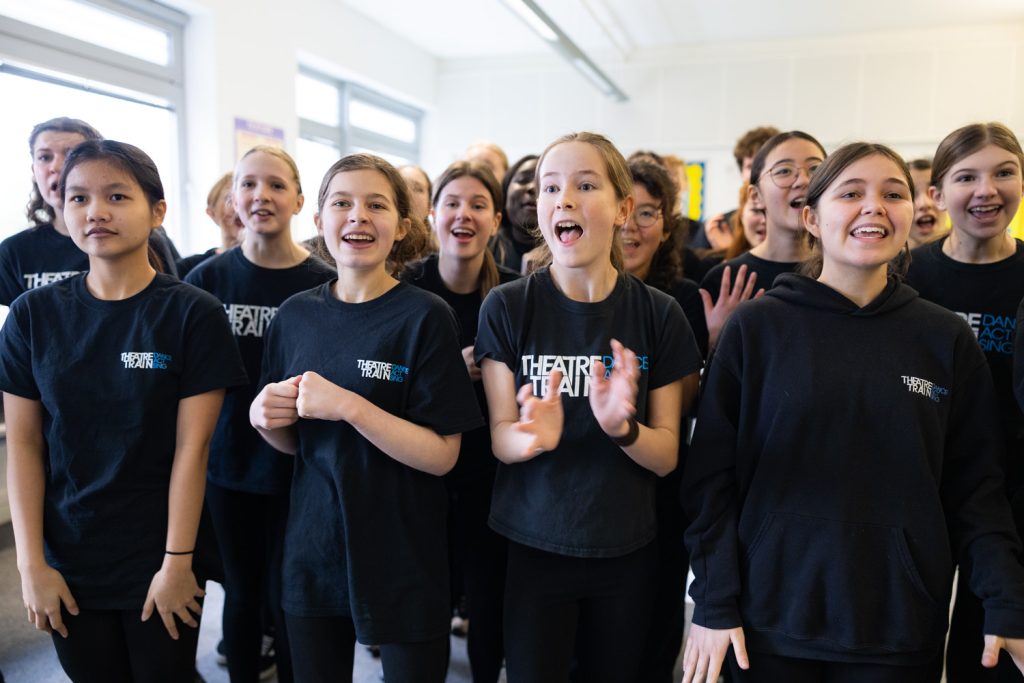
For example, in a musical production, children must learn how to work with others to create a cohesive performance. They understand that leadership involves supporting others, motivating peers, and helping to solve problems as a team. These teamwork skills translate into leadership abilities that can be applied in school, sports, and later in life.
The Impact of Leadership Skills Beyond Performing Arts
The leadership skills children develop in performing arts classes extend far beyond the stage. Whether in school projects, sports teams, or future careers, children who have participated in performing arts classes are better equipped to take on leadership roles.
Research from The National Centre for Arts Research highlights that students involved in the arts develop stronger leadership skills, such as decision-making, organisation, and public speaking. These skills are transferable to almost any context, providing children with an edge as they grow into young adults.
Opportunities to Lead in Performing Arts
In performing arts classes, children are given numerous opportunities to develop and practice their leadership skills. They may be asked to help lead rehearsals, direct scenes, or take charge of group activities. These roles allow them to practise the skills necessary to be effective leaders, while also building their confidence and competence in a supportive environment.
Performing arts classes are an excellent way for children to develop leadership skills that will benefit them for years to come. Through communication, responsibility, teamwork, and confidence-building activities, children learn how to lead others and navigate challenges effectively. These skills are essential not only in performing arts but also in everyday life, helping children succeed in school, relationships, and future careers.