January 24, 2026

Why Ensemble Theatre Builds Teamwork and Social Skills

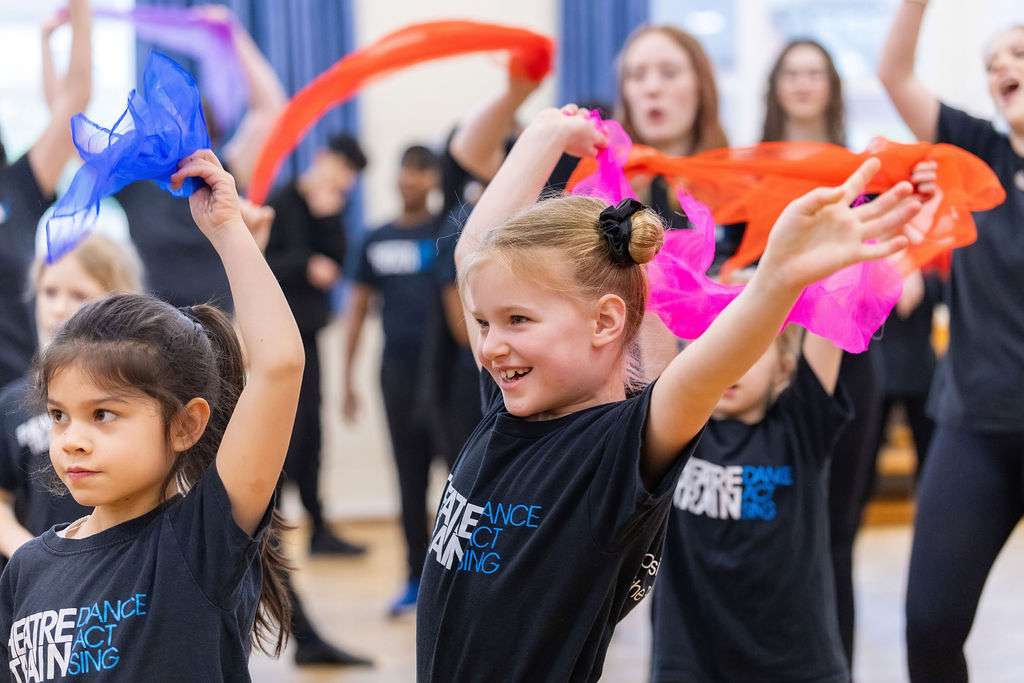
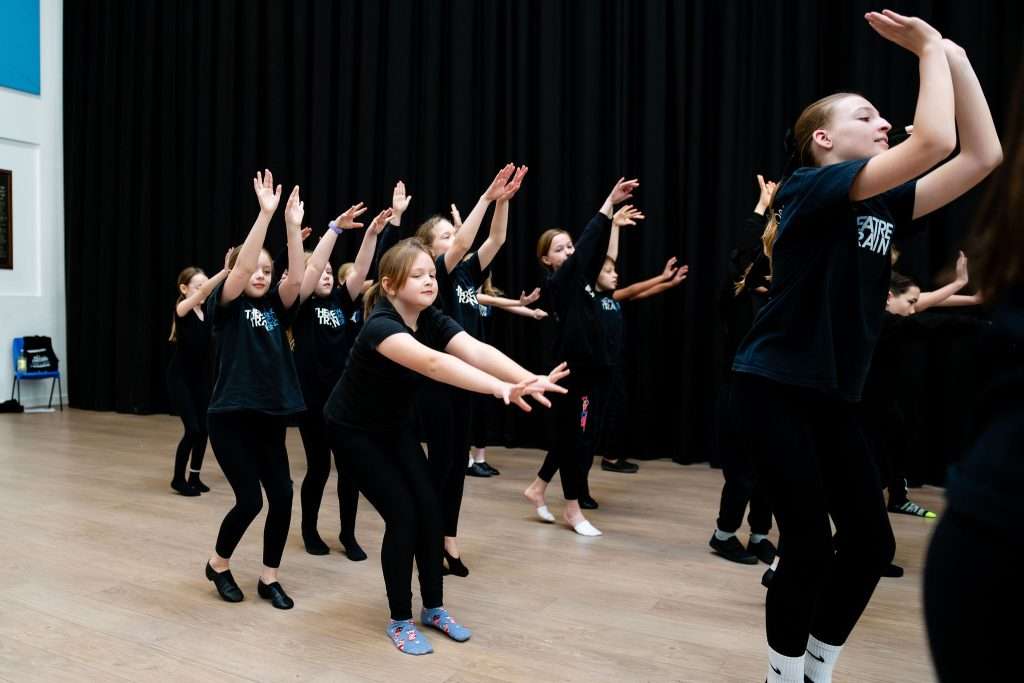
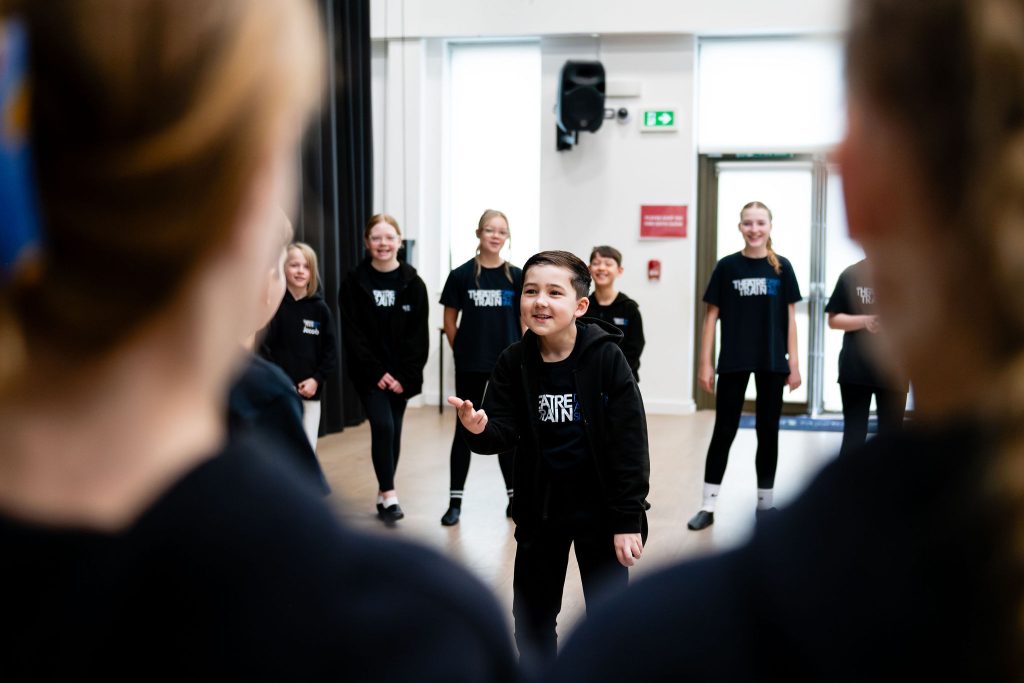
Ensemble theatre is a powerful tool for teaching children teamwork and social skills. Theatretrain’s collaborative approach encourages cooperation, empathy, and communication. This blog explains how ensemble work fosters positive social development.

The Power of Ensemble Theatre

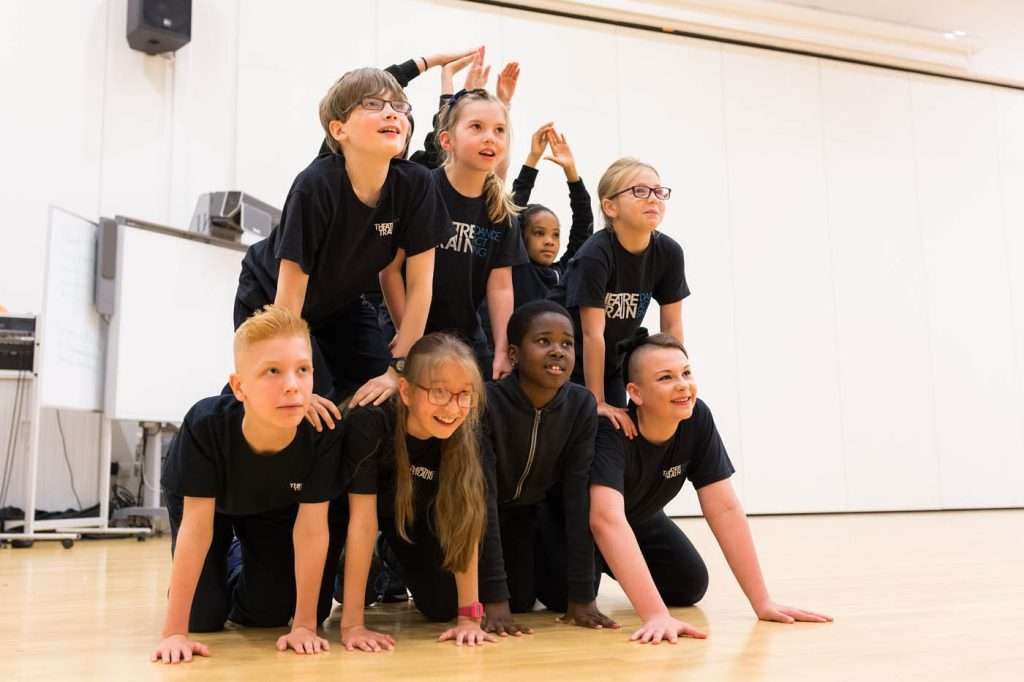
Ensemble theatre is about more than acting—it’s about creating a community. Each child plays a vital role, learning to depend on and support others while contributing their own talents.

This shared responsibility nurtures cooperation, active listening, and respect—key social skills essential for healthy relationships at school and beyond.

Social Confidence Through Connection

Participating in ensemble theatre helps children overcome social anxiety by encouraging interaction in a fun, creative context. The non-competitive atmosphere means everyone’s contribution matters, reducing pressure and encouraging friendships.

Children learn to recognise and respond to social cues, express themselves appropriately, and celebrate others’ successes, boosting social confidence and emotional intelligence.

Teamwork That Translates Beyond Theatre

The teamwork skills developed at Theatretrain prepare children for group work in school, sports, and later professional life. Learning how to compromise, support peers, and resolve conflicts constructively is invaluable.

Parents often note that their children become more empathetic and cooperative, demonstrating kindness and understanding in everyday situations.

Celebrating Diversity and Inclusion

Ensemble theatre celebrates differences, inviting children of all backgrounds and abilities to work together. This inclusivity teaches acceptance and broadens children’s perspectives.

By collaborating with diverse peers, children develop cultural awareness and learn that teamwork thrives on varied ideas and experiences.
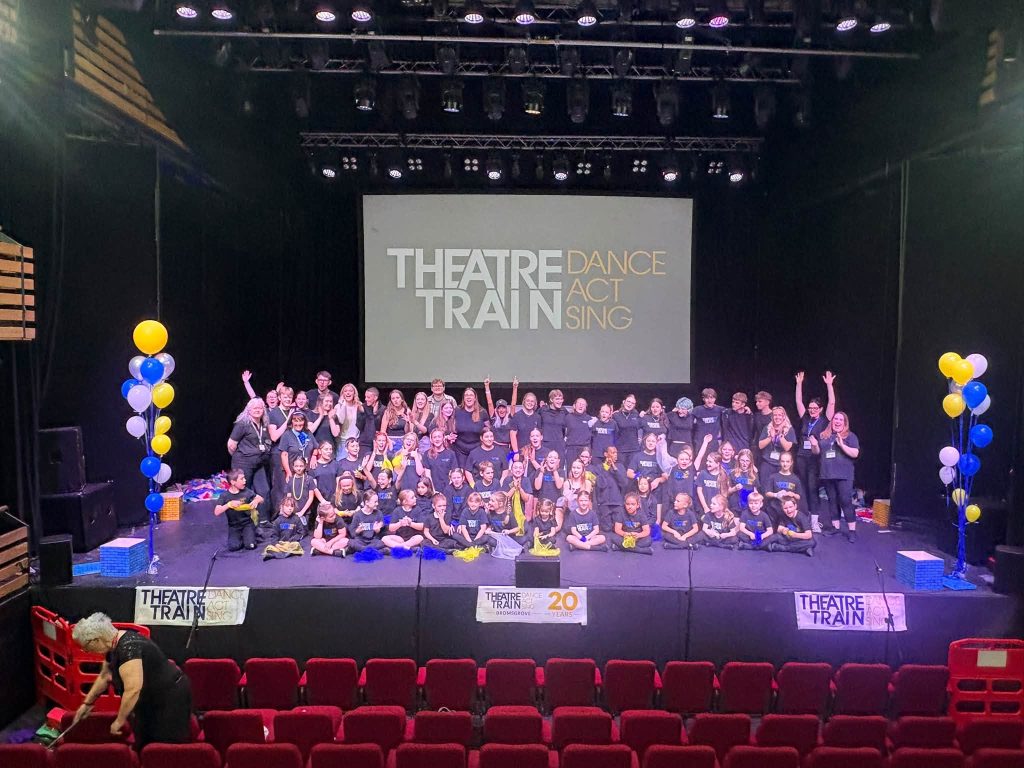
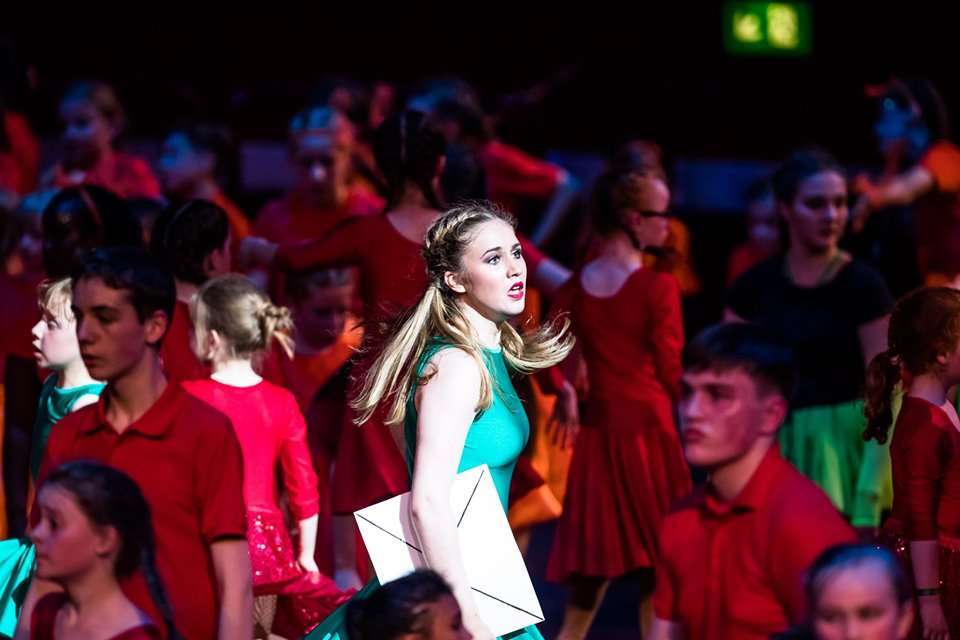
Theatretrain, a nationwide provider of weekend theatre schools for young people aged 4-18, specialises in weekly classes in acting, singing, and dancing. An emphasis is placed on learning valuable life skills such as confidence, empathy, courage, and resilience. If you know a child who loves to dance, act and sing or could do with a little confidence boost why not visit to find out what our performing arts classes can offer your child at one of our 80 locations across the UK.

Related Articles

20 Years of Theatretrain Bromsgrove

Theatretrain Bromsgrove is celebrating an incredible 20 years of inspiring young people through acting, singing and dancing. Since opening in 2006, the company has created countless productions, performed on some of the UK’s most iconic stages and helped generations of students grow in confidence, make friendships and discover their potential. Company Director reflects on two decades of unforgettable memories and the people who made them possible.
Read more >

The Science of Stage Presence: What Happens to the Brain When Kids Perform

There’s real science behind the sparkle. When children perform, their brains light up in remarkable ways. Theatre, dance and singing don’t just build confidence — they literally rewire the brain for communication, concentration and empathy. Understanding how performance affects development can help parents appreciate the deeper value of the arts. Here’s why stepping onto a stage can be one of the smartest things a child can do.
Read more >

How Performing Arts Help Children Develop Life Skills Beyond the Stage

Theatretrain offers much more than performing arts training—it fosters critical life skills that children carry into all areas of life. Through ensemble theatre and creative challenges, children develop confidence, adaptability, teamwork, and emotional resilience. This blog explores how these skills form a foundation for success far beyond the stage.
Read more >

Together We’re Unshakeable

In this week’s blog, Theatretrain Artistic Director Kevin Dowsett explores what it really means to become “unshakeable together”. It is not about never feeling nervous, disappointed or unsure, but learning how to recover, keep going and support one another along the way. Through performance, teamwork and shared challenges, young people discover that resilience grows when we face difficult moments together — and that asking for help is a strength, not a weakness.
Read more >