The Power of Ensemble Theatre in Social Development
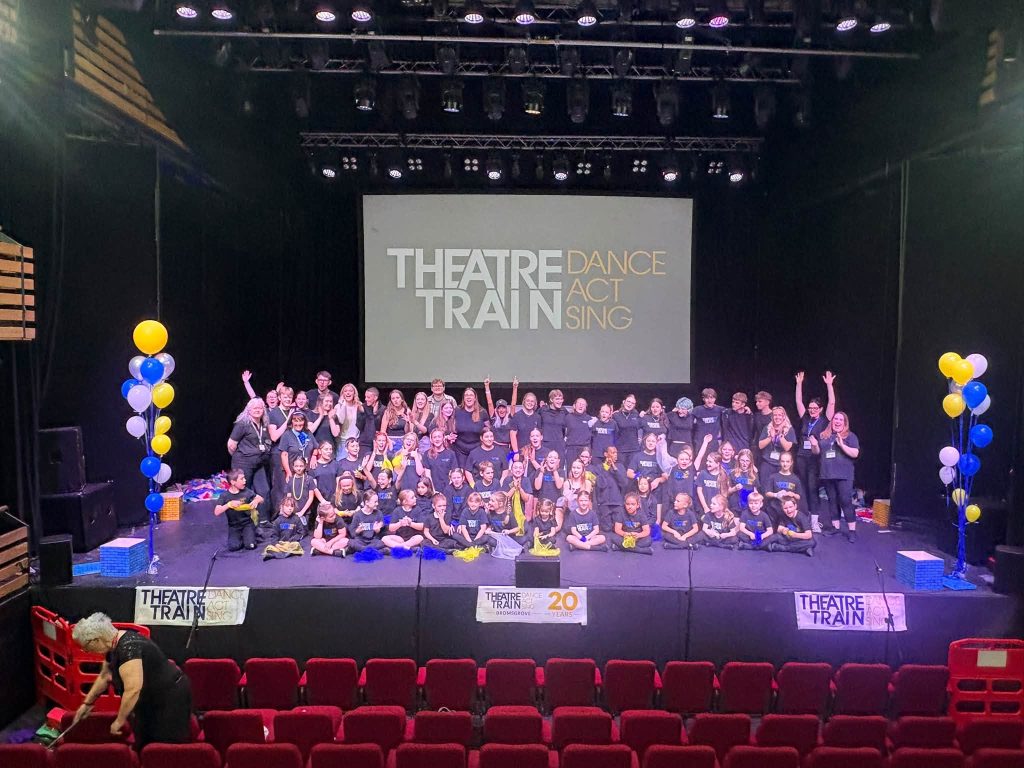
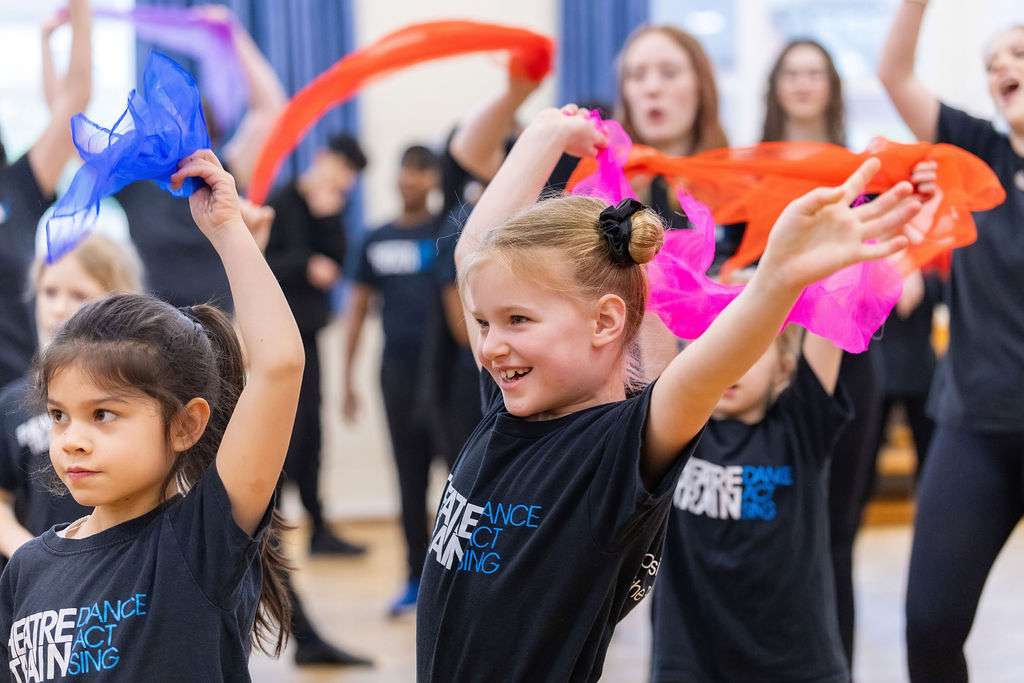
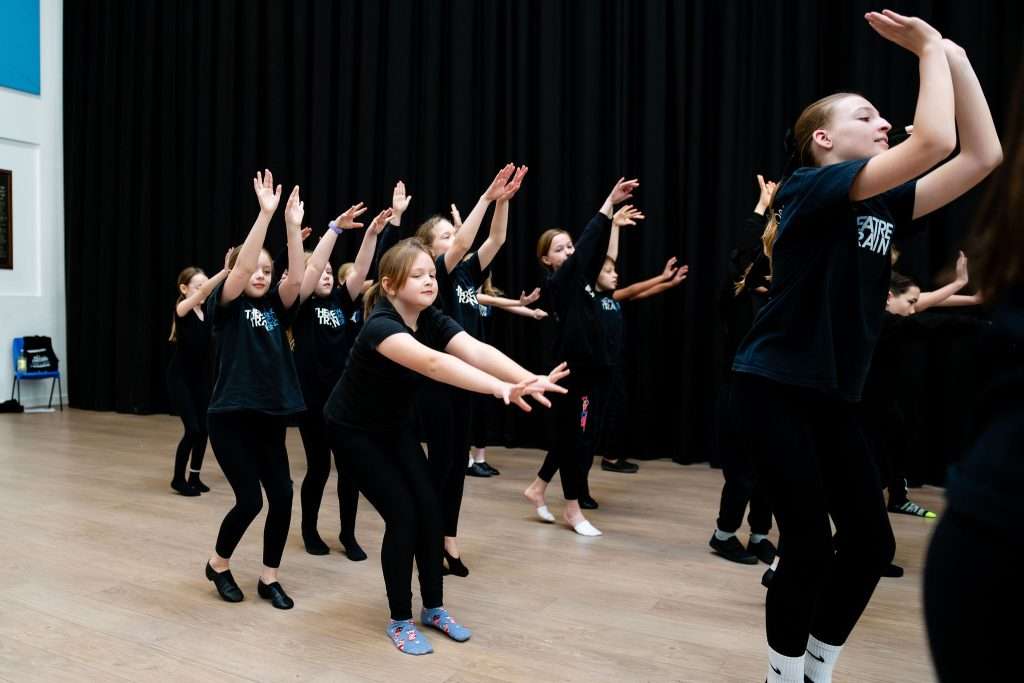
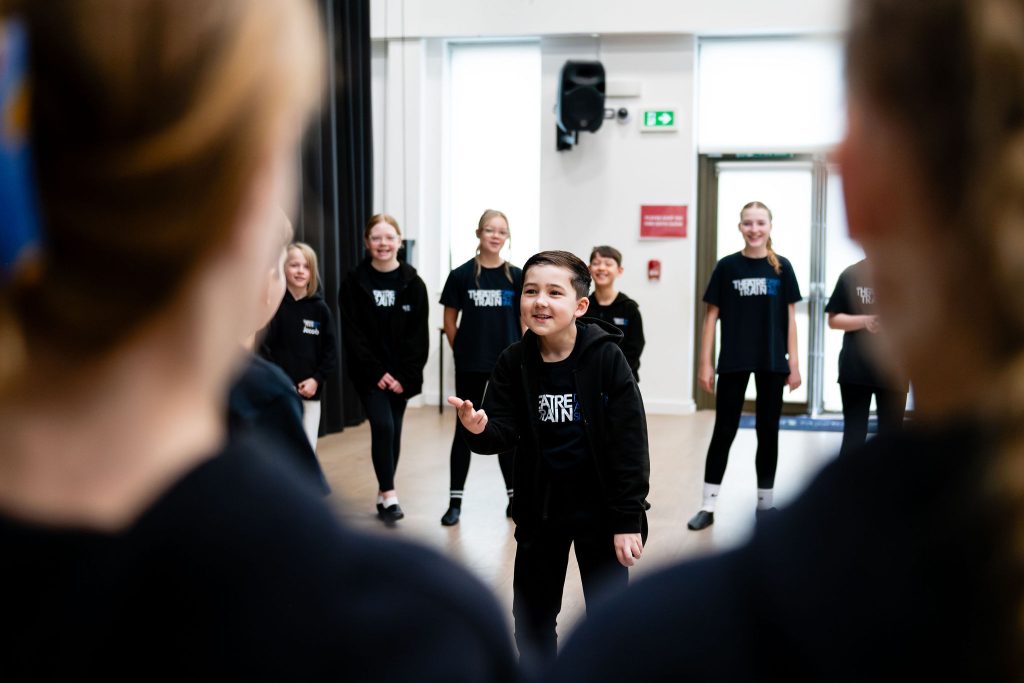
Theatretrain’s commitment to ensemble theatre is a deliberate choice that goes beyond simple drama training. Ensemble theatre emphasises working as a cohesive group, where each member plays a vital role in creating a shared story. Unlike some theatre schools that focus heavily on solo performances, Theatretrain fosters a culture where collaboration, teamwork, and mutual respect are central.
Children involved in ensemble work quickly realise that their contribution matters. Whether their role is speaking, dancing, or supporting from the wings, every part is essential to the whole. This instils a sense of belonging and responsibility, which are foundational for strong social skills.
Communication Skills in Action
One of the most valuable skills developed through ensemble theatre is effective communication. Theatre requires children to listen carefully to cues, speak clearly, and express emotions convincingly. These activities hone verbal and non-verbal communication skills which transfer naturally to everyday interactions.
During rehearsals, children must give and receive feedback constructively, an exercise in empathy and diplomacy. The theatre environment encourages children to speak up but also teaches them to listen and respond respectfully—a balance that can be challenging but is essential for social success.
Building Empathy and Emotional Intelligence
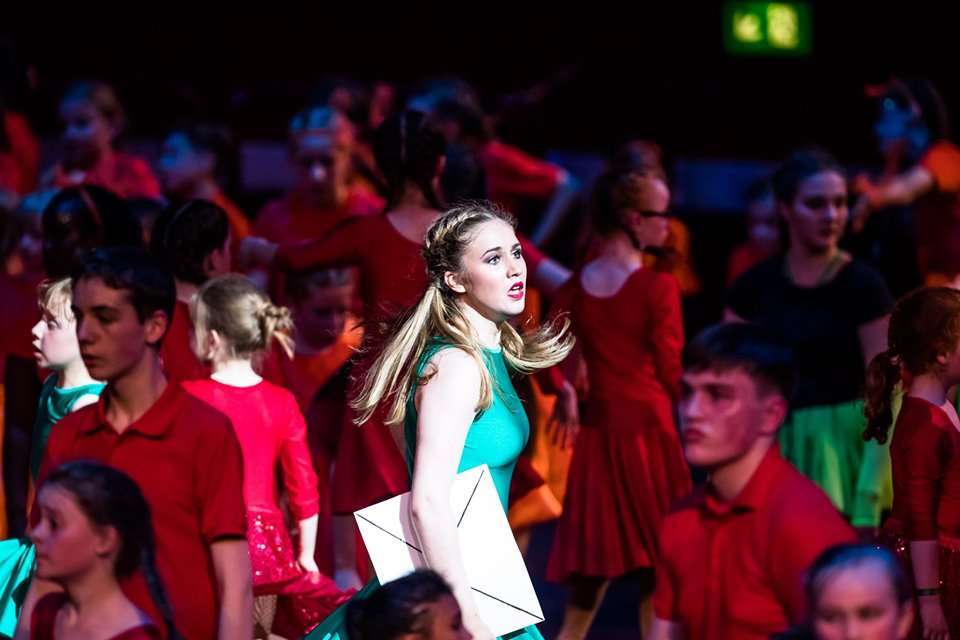
Stepping into different roles allows children to experience life from perspectives outside their own. This process deepens empathy, helping children understand and relate to others’ feelings and viewpoints.
Empathy nurtured in this way supports healthier relationships both on and off stage. Children become more aware of their peers’ emotions, better equipped to resolve conflicts and form meaningful connections.
Theatretrain also promotes emotional intelligence by encouraging children to reflect on their own emotions and reactions during performances and rehearsals. This reflection helps them manage their feelings and respond thoughtfully in social settings.
Developing Confidence in Social Situations
Many children face social anxiety, especially in new environments. Ensemble theatre provides a safe, supportive space to practise social interaction without pressure. The routine of rehearsals and performances builds familiarity and trust among peers, making it easier for children to open up and express themselves.
Parents often report that shy or anxious children become more outgoing and socially confident through participation in Theatretrain. The sense of achievement from being part of a team, contributing to a performance, and receiving positive feedback boosts self-esteem.
Lifelong Benefits of Social Skills Gained Through Theatre
The social skills cultivated in Theatretrain’s ensemble theatre extend far beyond the stage. They equip children to navigate school environments, family dynamics, and eventually, the workplace.
The ability to communicate clearly, work collaboratively, and empathise with others is highly valued in all areas of life. Children who develop these skills early tend to build stronger friendships, resolve conflicts more effectively, and engage more positively with diverse groups.
Theatretrain’s ensemble approach creates a nurturing environment where these skills can grow naturally through creative expression and shared achievement.