Are you watching your child struggle with the pressure of standard academics and wondering if there’s a more engaging way to boost their confidence and creativity? Let’s delve into a compelling story from a vibrant middle-sized town, blooming with spring flowers and the cheerful sounds of new life, where a local school took a creative leap that changed everything.
At the heart of this story is Emily, a timid third grader known more for her love of books than her presence on stage. This quiet child found herself cast as Lucy, a spirited character facing her own fears of the first day at school, in the school’s annual play titled “Life in the Shoes of Others.” The very idea of embodying Lucy’s boldness was daunting to Emily, who could hardly imagine speaking her lines aloud, let alone embodying her character’s spirited nature.
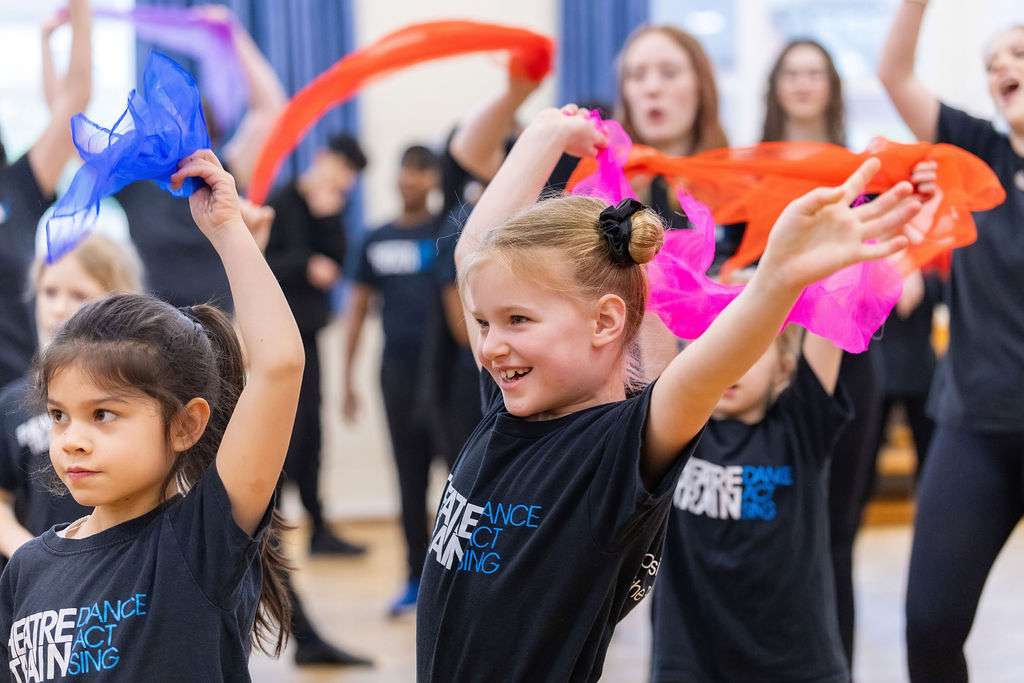
Recognizing her struggle, Mrs. Jensen, the insightful drama teacher, introduced a simple yet transformative method to help Emily step into her role. She gave Emily a brightly coloured scarf, a favourite accessory of Lucy’s character, to wear during rehearsals. This symbolic act opened a door for Emily, allowing her to connect with Lucy’s world in a profound way.
As rehearsals progressed, a remarkable transformation unfolded. Emily began to speak louder, her stance grew confident, and a sparkle of newfound courage lit her eyes. In an unscripted moment that took everyone by surprise, Emily demonstrated true empathy and leadership, embodying Lucy’s spirit so fully that she moved her audience—both on and off stage—to tears.
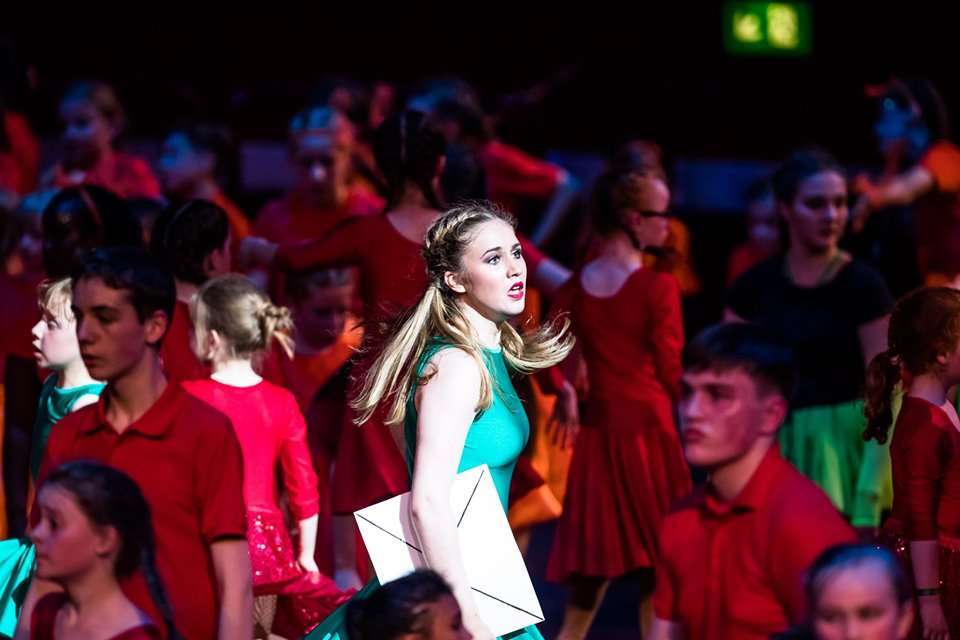
The night of the performance, Emily shone under the spotlights, her delivery both powerful and heartfelt. The audience’s standing ovation celebrated not just Lucy’s fictional journey, but Emily’s personal growth and victory over her fears. This moment was a poignant testament to the profound impact that stepping into another’s shoes—even fictitiously—can have on a child’s self-esteem and confidence.
This story exemplifies the broader benefits of integrating performing arts into education. Beyond the applause and the curtain calls, participating in drama, music, and dance enhances children’s cognitive abilities and emotional skills, essential during their formative years. Studies suggest that such activities can boost memory, improve problem-solving skills, foster empathy, and offer a safe space for emotional expression.
Moreover, the arts instil a discipline that extends into academic resilience. Each rehearsal and performance teaches children to constructively handle failure and criticism, fostering a mindset that views mistakes as stepping stones to mastery. This resilience is invaluable, encouraging students to embrace challenges with enthusiasm both in and out of the classroom.
If your child is feeling uninspired by conventional education methods or needs a boost in confidence, consider the performing arts not just as an extracurricular activity, but as a crucial component of their developmental journey. To discover more about how the performing arts can benefit your child, check out this link for resources and further reading.
Remember, in the grand theatre of education, creativity is not merely an act; it’s a fundamental part of how children can learn, grow, and thrive in a vibrant world. Keep the applause going, and let’s help our children find their stage!