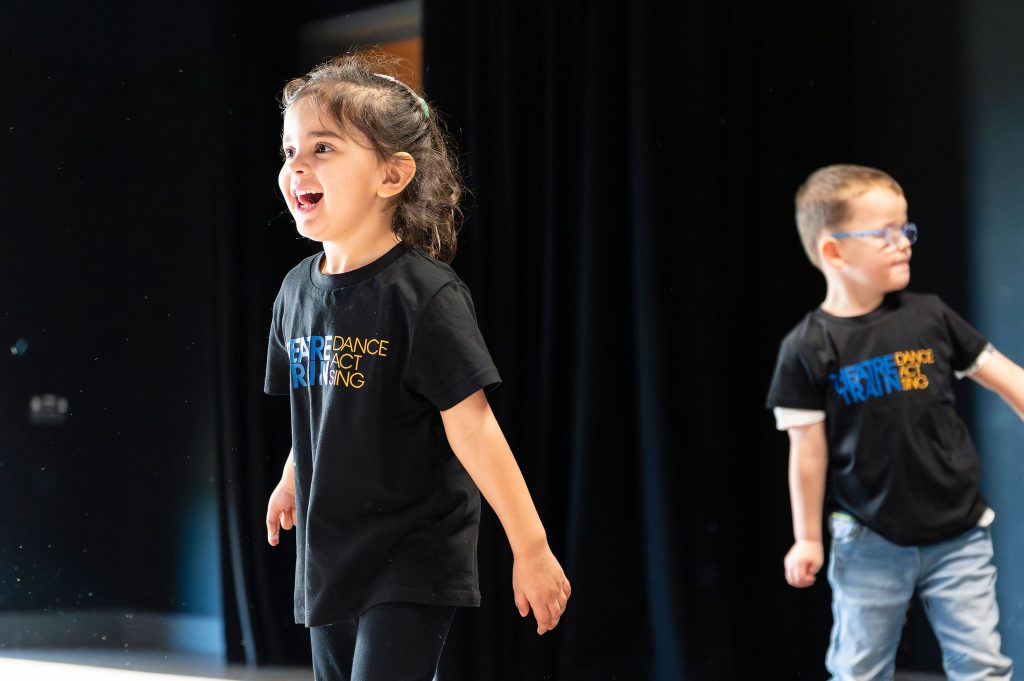
How Performing Arts Classes Build Confidence in Children
Confidence is one of the most valuable qualities a child can develop. It influences their ability to try new things, express ideas, and build relationships. Yet, many children struggle with self-confidence due to shyness, fear of failure, or a lack of opportunities to explore their abilities. Performing arts classes—whether in acting, singing, or dancing—offer a powerful way to nurture confidence in young people by providing a safe and supportive environment to grow.
Performing arts encourage self-expression and creativity, which are critical for personal development. Unlike traditional academic environments, performing arts focus on exploration rather than right or wrong answers. This allows children to experiment, make mistakes, and learn without fear of judgment. Over time, this builds their self-assurance as they discover what they’re capable of achieving.
Developing Resilience and Communication Skills
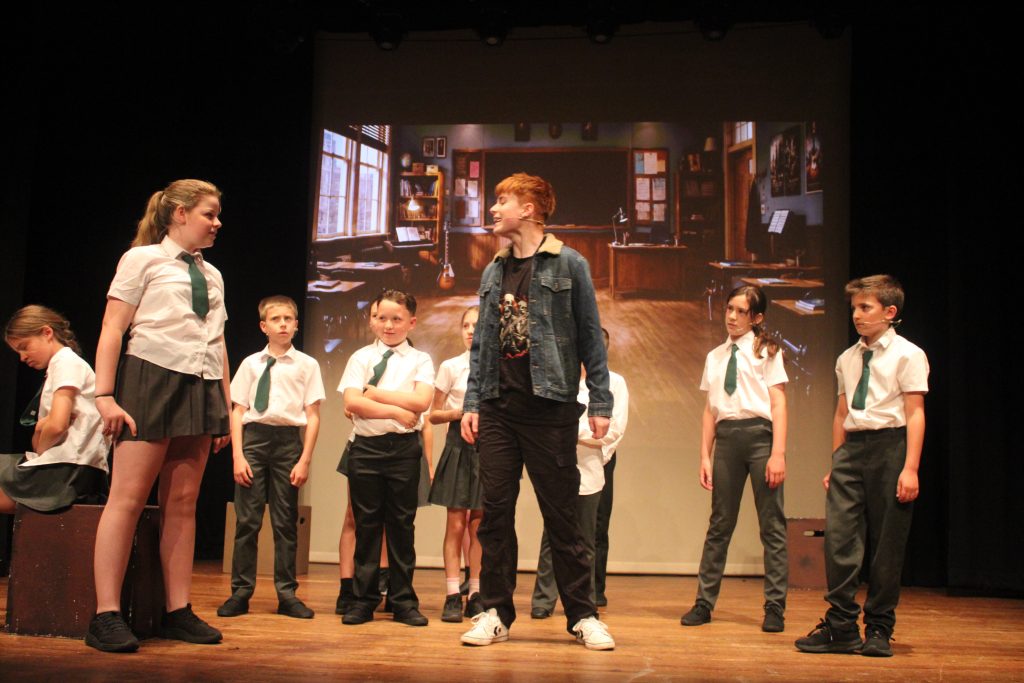
Participating in drama, dance, and singing classes teaches children to embrace challenges and persevere when things don’t go as planned. In drama, for instance, children often perform in front of peers or audiences. The process of practising, receiving feedback, and improving builds resilience. They learn that setbacks are opportunities for growth, which is a valuable life skill that extends far beyond the stage.
Communication is another area where performing arts classes have a significant impact. Acting requires children to use voice, facial expressions, and body language to convey emotion and meaning. This helps improve their verbal and non-verbal communication skills, which are essential in everyday life. For example, participating in group exercises or rehearsals fosters active listening and teamwork, as children collaborate to achieve shared goals.
Research shows that young people involved in performing arts are better equipped to articulate their thoughts and feelings, a skill that translates into stronger interpersonal relationships and academic success.
The Emotional Benefits of Singing
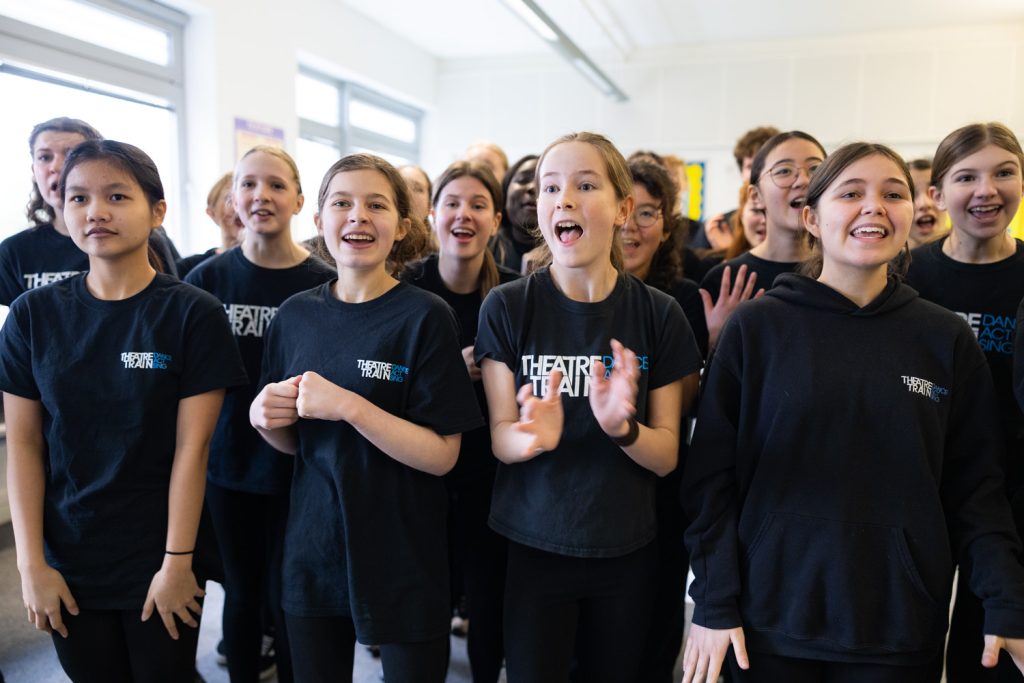
Singing, whether in a group or solo, has been proven to have numerous emotional benefits. Studies suggest that singing can help reduce anxiety, improve mood, and boost self-esteem. Group singing, in particular, fosters a sense of community and belonging, as participants work together to harmonise and create something meaningful.
For children, singing provides a way to express emotions they may not yet have the words to describe. Learning to project their voice and perform in front of others builds self-confidence, as they see the tangible results of their efforts. The ability to perform music, especially in a group setting, can be a deeply rewarding experience that leaves children feeling proud and accomplished.
The Transformative Power of Dance
Dance is a unique art form that combines physical movement with emotional expression. For children, it’s not just about learning choreography; it’s about connecting with their bodies and understanding how movement can communicate stories and emotions. Dance classes also promote physical fitness, coordination, and discipline, all of which contribute to a child’s overall confidence.
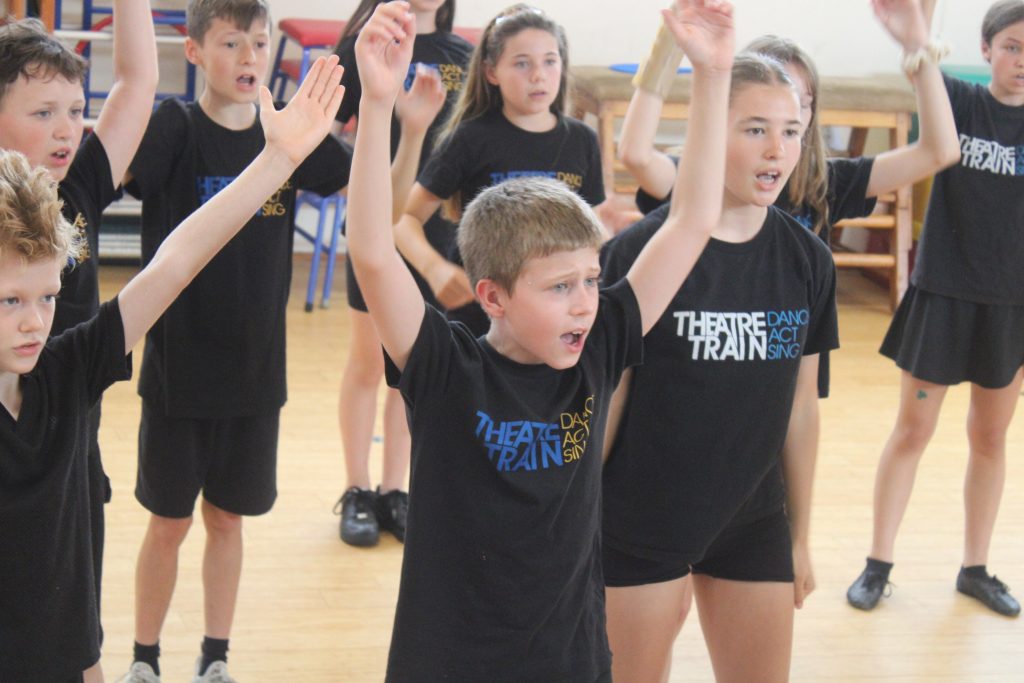
In dance, children learn to take instruction, practice regularly, and perfect routines. These habits cultivate a sense of achievement and self-discipline. Performing a finished dance routine, whether for classmates or an audience, can be an exhilarating experience that reinforces their belief in their abilities.
The Role of Collaboration in Building Confidence
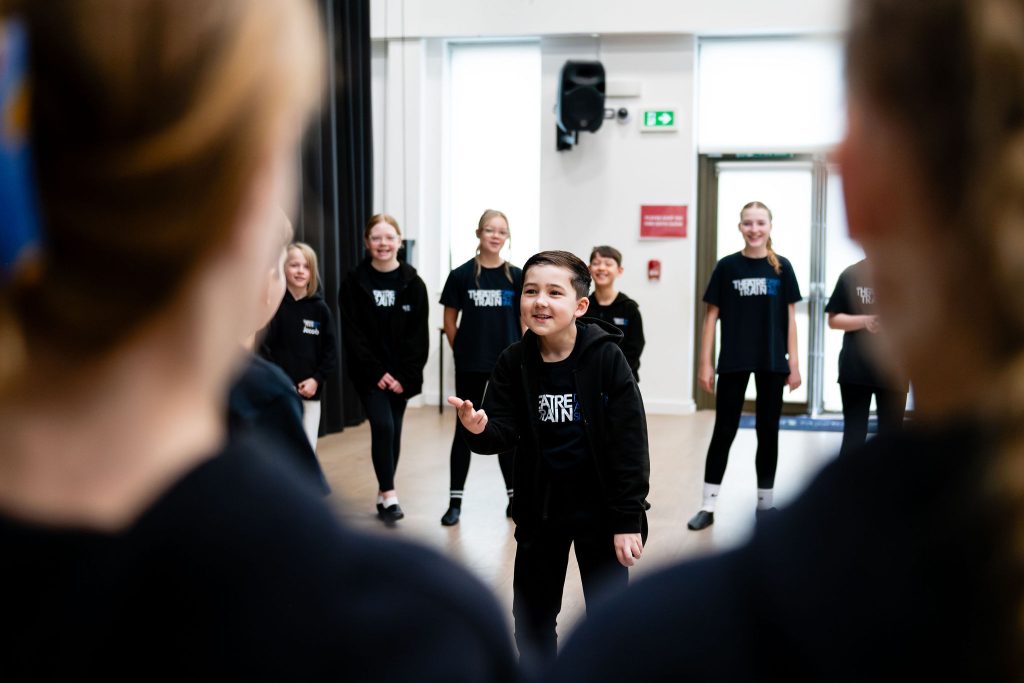
One of the key aspects of performing arts classes is the emphasis on teamwork. Whether rehearsing a scene in drama, singing in a choir, or performing a group dance, children must work collaboratively to succeed. This helps them develop interpersonal skills such as empathy, active listening, and compromise.
Collaborative environments are particularly beneficial for building confidence because they show children the value of their contributions. Knowing that their role—whether big or small—is essential to the group’s success helps children feel appreciated and important. This fosters a sense of belonging and encourages them to take on new challenges with a positive attitude.
The Academic and Social Benefits of Performing Arts
Beyond personal growth, performing arts classes also have measurable academic and social benefits. Research by the Education Endowment Foundation has shown that children who engage in the arts tend to perform better in core subjects such as reading, writing, and maths. This is because the arts stimulate critical thinking, creativity, and problem-solving skills.
Socially, children involved in performing arts often build stronger friendships and develop better interpersonal skills. Working together on productions, exercises, or performances helps them learn to navigate group dynamics and build meaningful connections with their peers. These friendships, formed in a creative and supportive environment, can be incredibly impactful during their developmental years.
Building Confidence for Life
The confidence children gain through performing arts doesn’t end when they leave the studio or classroom. The skills they develop—resilience, communication, teamwork, and self-discipline—are applicable to virtually every area of their lives. Whether they’re giving a presentation at school, participating in a team sport, or navigating social situations, these skills give them the tools they need to succeed.
In a world that increasingly values creativity, emotional intelligence, and collaboration, performing arts provide an excellent foundation for the future. Many employers cite these qualities as some of the most desirable in candidates, making the arts a valuable part of preparing children for adulthood.
Performing arts classes create a supportive space for children to explore their potential, step out of their comfort zones, and discover talents they didn’t know they had. It’s a transformative experience that goes beyond learning how to act, sing, or dance—it’s about shaping confident, well-rounded individuals who are ready to take on the world.