In a world where stress seems to be an inevitable part of daily life, finding effective coping mechanisms becomes paramount. While exercise and meditation are often touted as go-to solutions, there’s another, perhaps unexpected, avenue to explore: the performing arts.
Enter Julie Andrews, the beloved actress known for her iconic roles in “The Sound of Music” and “Mary Poppins.” Behind the scenes of her glittering career, Andrews faced her own battles, finding solace and stress relief through singing and acting.
Julie’s journey into the world of performing arts wasn’t just a career choice—it was a lifeline. Growing up in war-torn Britain, she used singing as a means to escape the harsh realities of her surroundings. Introduced to music and performance at a young age by her mother and stepfather, Julie found sanctuary in the magical world of creativity.
As her career soared, Julie’s performances became more than just a profession; they became therapy. Singing wasn’t merely about hitting the perfect pitch—it was about releasing pent-up emotions and finding moments of peace amidst the chaos. Julie once expressed that singing allowed her to connect deeply with her inner self, providing a powerful tool for processing emotions and alleviating stress.
However, a significant setback occurred in 1997 when Julie underwent surgery that left her unable to sing. Rather than succumbing to defeat, she pivoted to other forms of performing arts, including writing and directing. This resilience showcased the profound impact of creativity on mental well-being.
Julie Andrews’ story underscores the transformative power of the performing arts. Beyond her personal journey, research supports the notion that engaging in creative activities provides a deeper form of stress relief than one might expect. While physical exercise addresses the body, creative expression delves into the emotional and mental layers of stress.
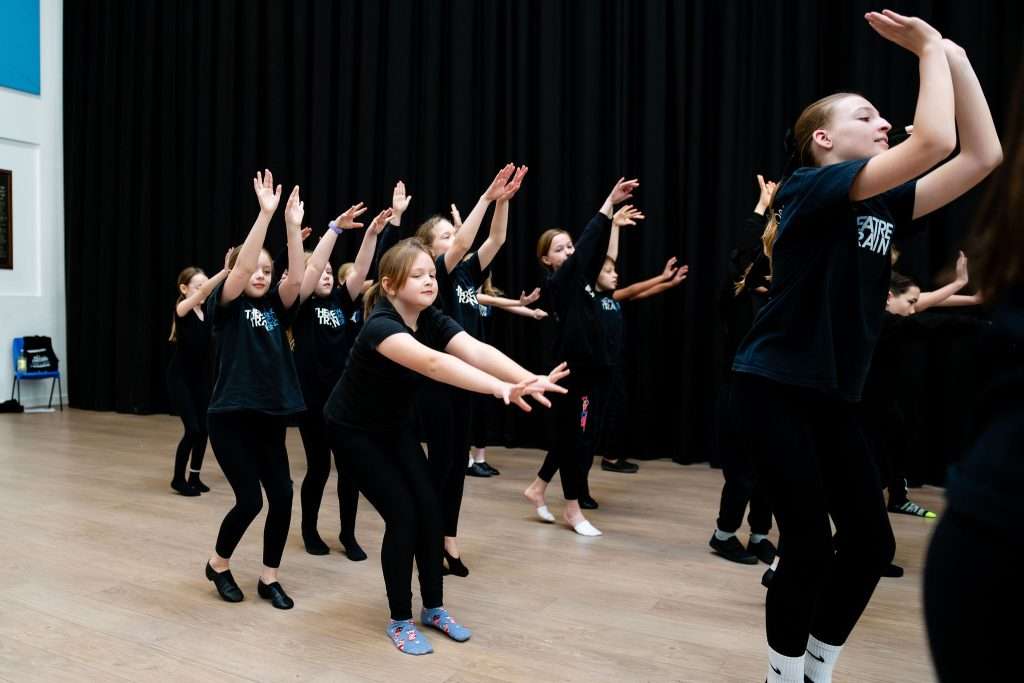
Participation in the performing arts allows individuals, especially children, to express themselves in a safe and structured environment. Whether it’s acting, singing, dancing, or playing an instrument, creative engagement fosters emotional resilience and builds confidence. Studies have shown that the arts can reduce levels of cortisol, the stress hormone, and increase the production of endorphins, the body’s natural mood elevators.
So, the next time you’re considering activities for your child, remember the profound benefits that the stage can offer. It’s not just about applause—it’s about providing a profound sense of relief and joy. If you believe your child could benefit from the performing arts, explore our classes today and start them on a journey of creative calm and well-being.