June 27, 2025

Rhythms and Resilience: The Role of Music in Youth Development

Music is more than a melody — it’s a tool for emotional expression, discipline, and growth. For young people, learning music offers a powerful way to develop confidence, resilience, and a sense of self.

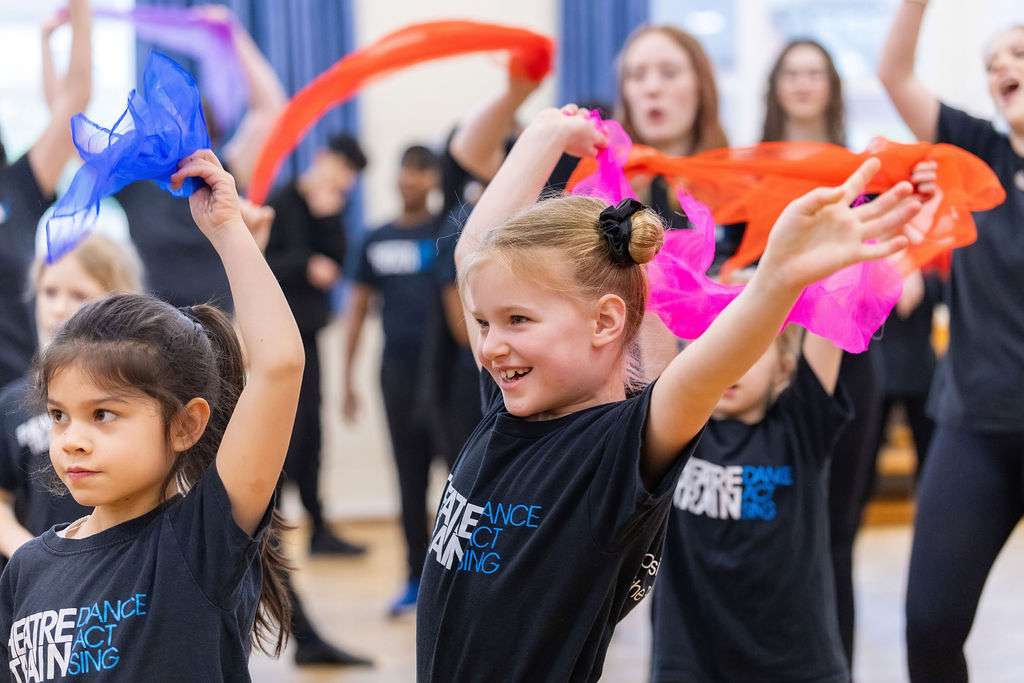
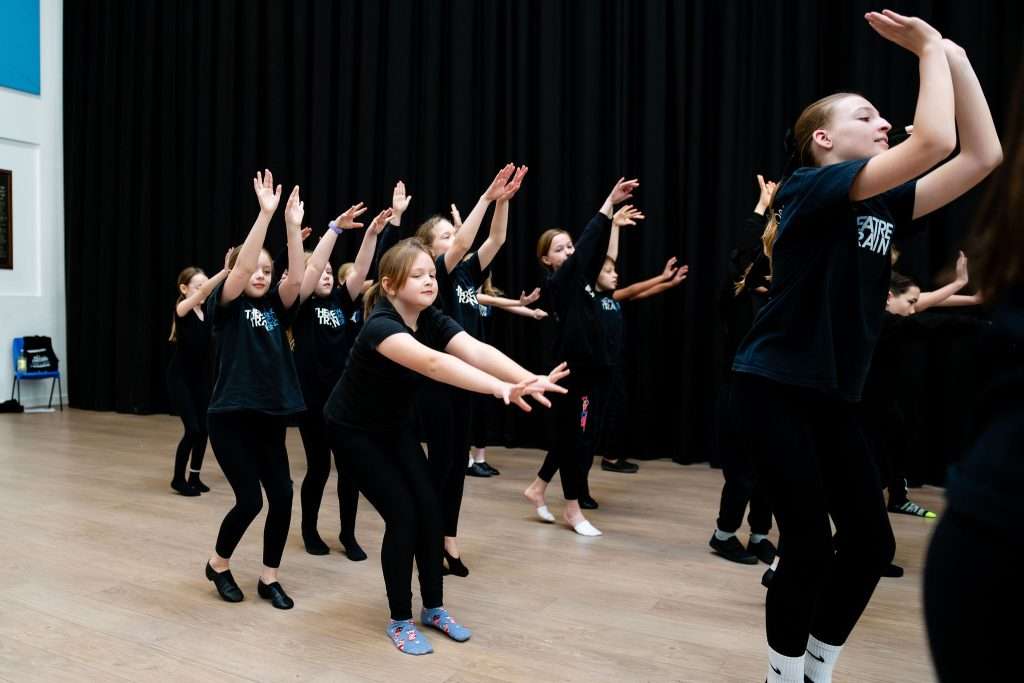
In a world that can feel loud and overwhelming, music gives young people a way to be heard. Whether they’re learning to play an instrument, singing in harmony, or moving to a beat, children tap into a deeply human form of connection and creativity that supports their personal development in lasting ways.

What makes music so powerful in the lives of children? It starts with discipline. From the very first lesson, young musicians learn that progress takes time, practice, and patience. Whether they’re mastering scales or memorising lyrics, they’re building the kind of focus and commitment that underpins academic and personal success.

But beyond structure, music offers something just as vital: emotional release. For many young people, music becomes a safe place to explore feelings they might not yet have words for. A piano melody can echo sadness, a drum beat can express excitement, and a group performance can replace loneliness with shared joy. Music taps into our emotions in ways that talking sometimes cannot.

The collaborative aspect of music also plays a major role in development. Singing in a choir or playing in a band teaches children to listen — truly listen — to those around them. They begin to understand how their part fits into a larger whole, learning empathy, timing, and teamwork all at once. These soft skills are as crucial as any academic achievement and will serve them throughout life.

Resilience is perhaps one of the most underrated benefits of music education. Every missed note, difficult rhythm, or out-of-tune attempt becomes a lesson in perseverance. Young musicians learn to try again, to adjust, and to keep going — even when it’s hard. This process helps them build a quiet confidence that grows stronger with every performance and every challenge overcome.

Scientifically, the benefits are backed up by evidence. Studies show that children who engage with music perform better academically, especially in literacy and maths. The neural pathways activated through musical training also support memory, attention, and problem-solving.

Parents often report how music changes the rhythm of home life too. Children who practise an instrument or take part in a music group develop routines, show greater self-discipline, and often find a greater sense of purpose. And when they perform — even just for family — the pride and accomplishment they feel is immense.

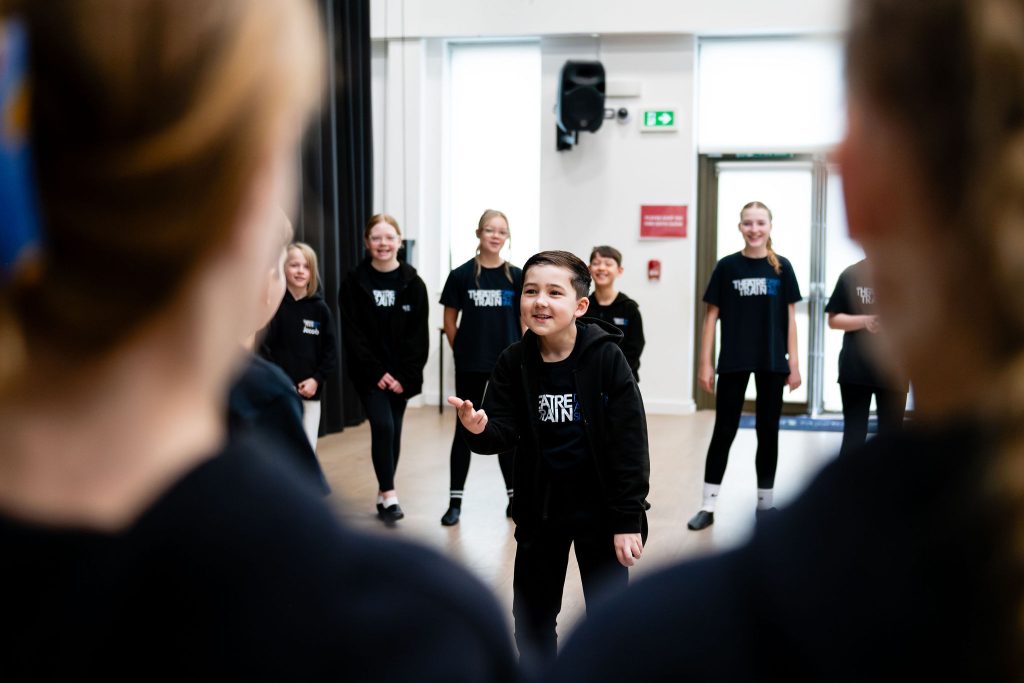
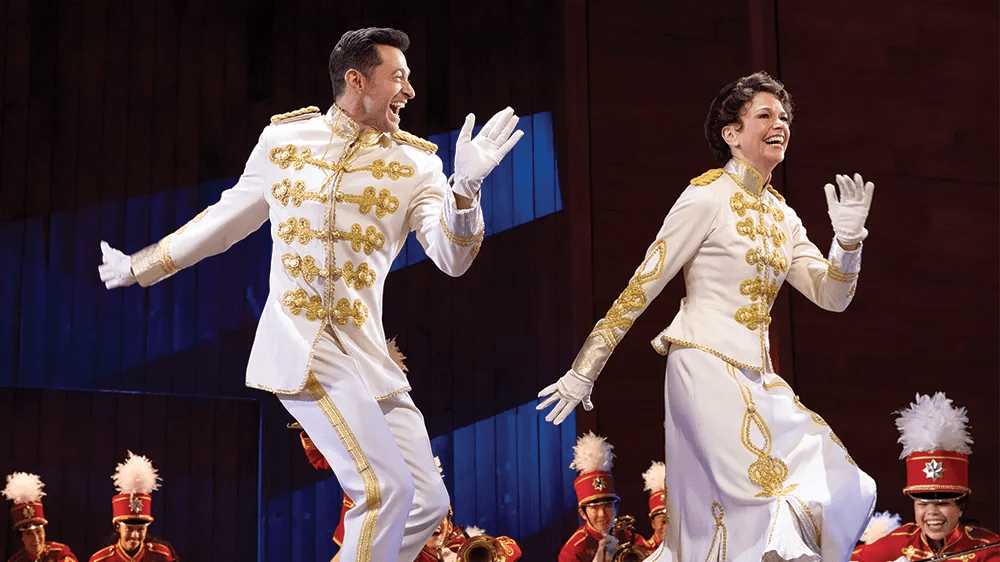
Music also creates joy. It’s a way to celebrate, to connect, and to unwind. And in a time when children are often faced with pressure from screens, school, and social dynamics, that joy is vital. As actor and singer Hugh Jackman once said, “Music is a powerful tool in connecting the world and ourselves. It breaks down walls.” That connection — to self and others — is exactly what makes music such a profound gift in a child’s life. At Theatretrain, we see every day how music builds not only skills but also spirit. Whether students are singing show tunes, harmonising with a partner, or mastering timing in a group number, they are becoming more confident, expressive, and resilient young people
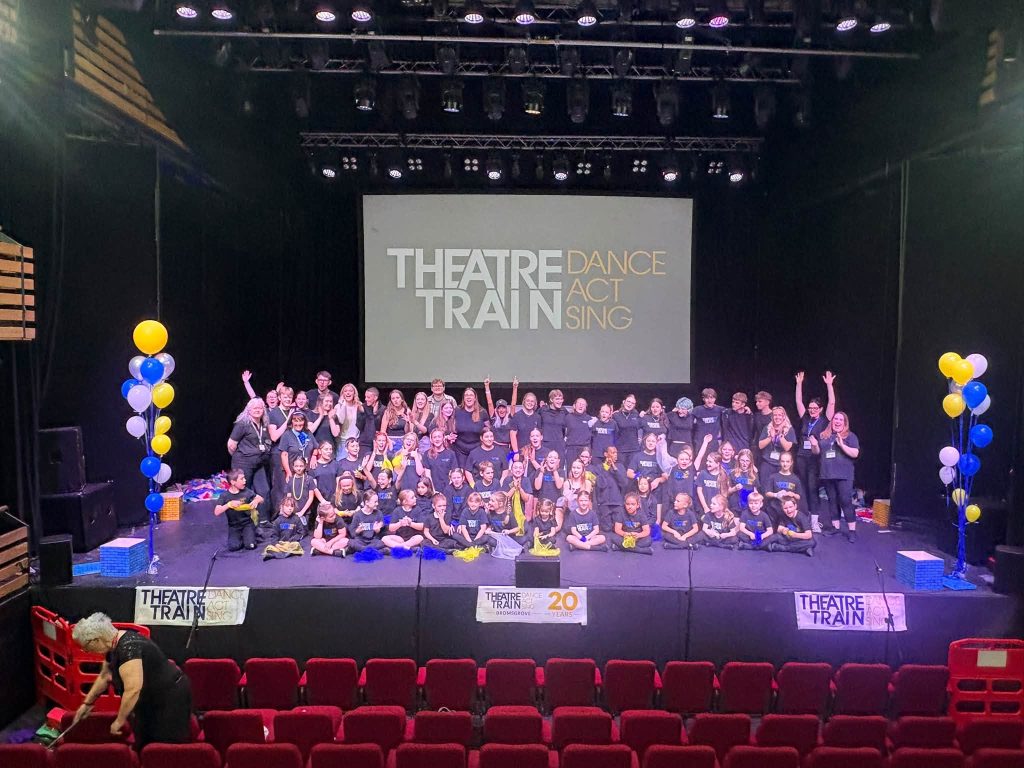
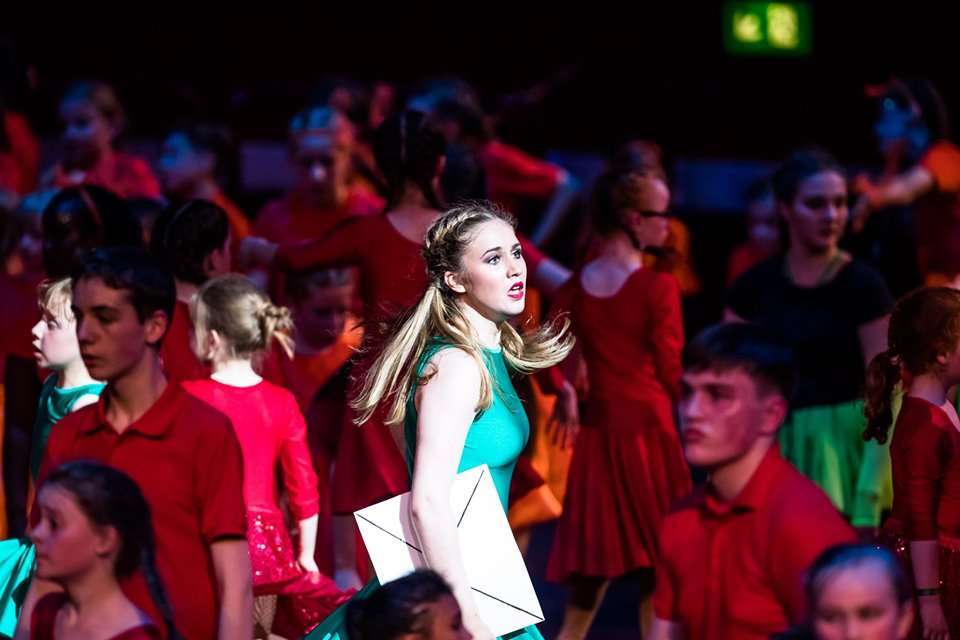
Theatretrain, a nationwide provider of weekend theatre schools for young people aged 4-18, specialises in weekly classes in acting, singing, and dancing. An emphasis is placed on learning valuable life skills such as confidence, empathy, courage, and resilience. If you know a child who loves to dance, act and sing or could do with a little confidence boost why not visit to find out what our performing arts classes can offer your child at one of our 80 locations across the UK.

Related Articles

Young people taking part in a creative Theatretrain class, expressing themselves through acting, singing and dancing.

Why Creative Classes Give Young People Space to Be Themselves

Creative classes give young people more than performance skills. They offer space to express ideas, explore emotions, build friendships and grow in confidence. This blog looks at why Theatretrain’s acting, singing and dancing classes help children feel accepted, creative and free to be themselves.
Read more >
Children in a Theatretrain class using acting, singing and movement to build confidence and communication skills.

How Performing Arts Helps Children Find Their Voice

Finding your voice is about more than speaking loudly. It is about confidence, communication and self-expression. This blog explores how Theatretrain’s acting, singing and dancing classes help children develop their voice, share ideas, express emotions and grow into confident young communicators.
Read more >
Children taking part in a Theatretrain rehearsal room session, building confidence through acting, singing and dancing.

Why the Rehearsal Room Is Where Confidence Really Begins

Confidence does not only grow under stage lights. For many children, it begins in the rehearsal room, where they learn to try, make mistakes, speak up and work with others. This blog explores how Theatretrain’s acting, singing and dancing classes help young people build confidence that reaches far beyond the stage.
Read more >

A Night to Remember

In his latest blog, Theatretrain Artistic Director Kevin Dowsett reflects on a remarkable evening at the Derngate Concert Hall in Northampton, where six Theatretrain companies came together for a performance full of energy, teamwork and heart. Celebrating six decades of music, culture and creativity, the show highlighted the unique power of Theatretrain: young people from different companies working side by side, supporting one another, and creating something truly memorable on stage.
Read more >

War Horse

Kevin Dowsett, Artistic Director of Theatretrain, reflects on the extraordinary power of War Horse. From breathtaking puppetry to simple storytelling, music and imagination, this much-loved production continues to move audiences across the world. Kevin explores why Joey’s journey still feels so powerful, how theatre asks us to believe, and why some stories stay with us long after the curtain falls.
Read more >