Public speaking is an essential skill that can benefit young people throughout their lives. From classroom presentations to job interviews, effective communication is key to success in many areas. At our theatre school, drama classes are specifically designed to help teenagers develop these skills in a fun and engaging environment. By participating in various activities that promote self-expression and storytelling, students learn to articulate their thoughts and ideas clearly and confidently.
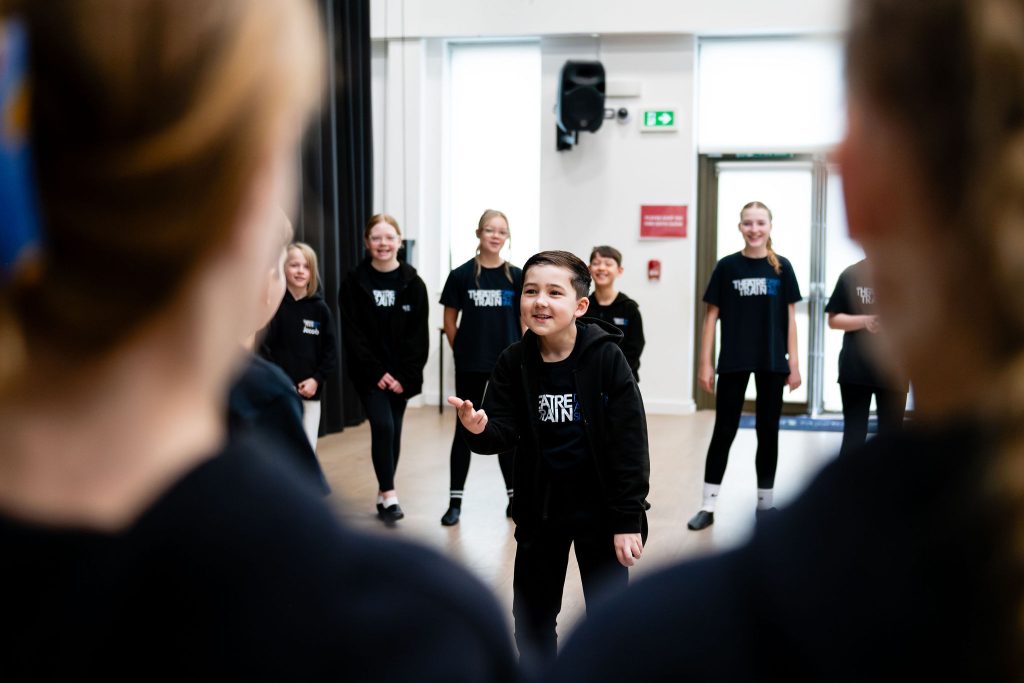
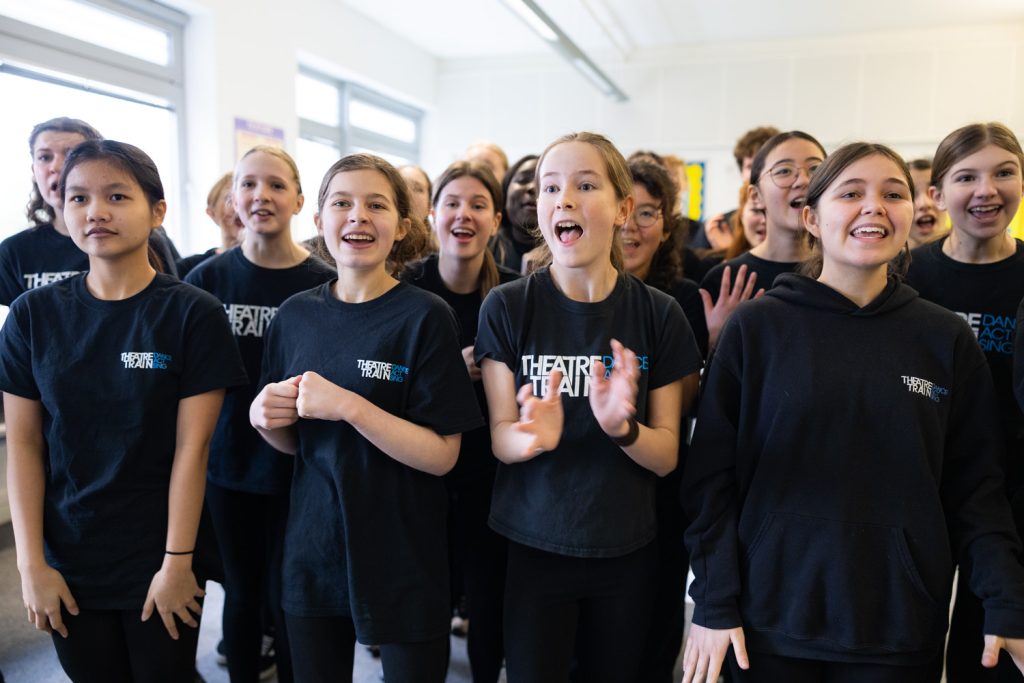
One of the primary ways drama classes build public speaking skills is through performance practice. Students are encouraged to take on various roles and deliver monologues, dialogues, and scenes in front of an audience. This experience not only helps them become comfortable speaking in public but also teaches them how to engage and captivate their listeners. As they work on their performances, they learn to control their vocal tone, body language, and facial expressions, all of which are crucial components of effective communication. By receiving constructive feedback from instructors and peers, students refine their skills and gain confidence in their ability to communicate effectively.
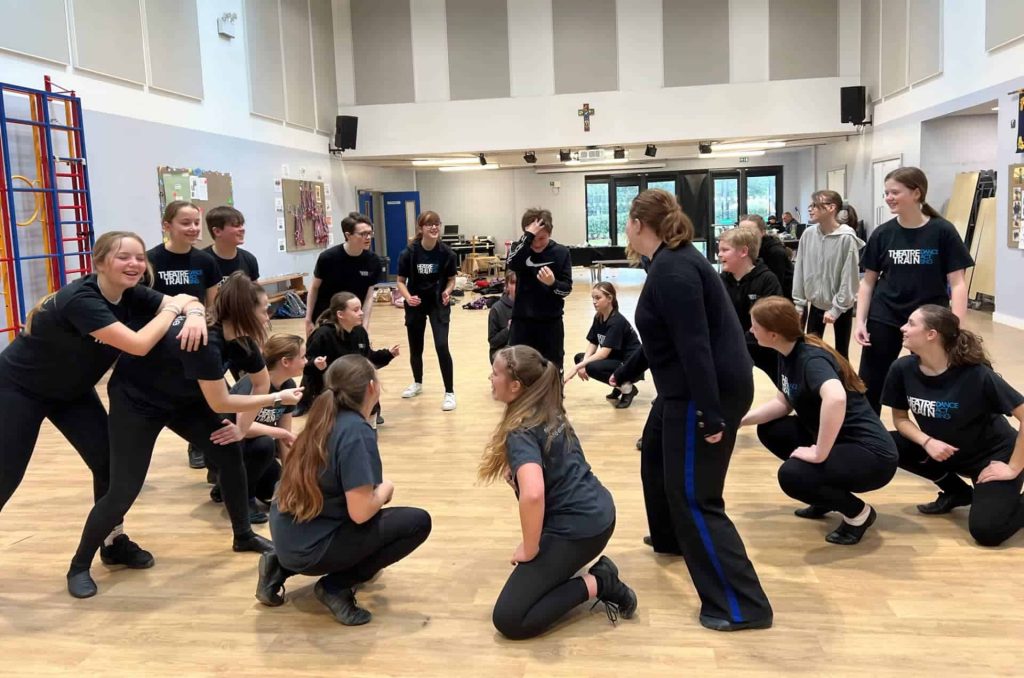
Additionally, drama classes foster an environment of collaboration and teamwork. Working with fellow students, young performers learn to listen and respond to others, an essential aspect of effective communication. They engage in improvisation exercises, which require quick thinking and adaptability, further enhancing their verbal communication skills. These experiences teach students how to express their ideas clearly while also considering the perspectives of others. The collaborative nature of drama not only builds strong interpersonal skills but also helps students become more empathetic communicators.
To support your teenager in developing their public speaking and communication skills, consider these strategies:
- Encourage Participation: Help your teen find opportunities to engage in drama classes or public speaking groups to practice their skills regularly.
- Practice at Home: Encourage your teenager to practice speeches or presentations at home, providing constructive feedback to help them improve.
- Model Good Communication: Set an example by demonstrating effective communication skills in your own interactions. This can inspire your teen to adopt similar practices.
- Celebrate Progress: Acknowledge your teen’s efforts and improvements in public speaking, no matter how small. Positive reinforcement can motivate them to continue developing their skills.
In conclusion, drama classes offer an exceptional platform for teens to enhance their public speaking and communication skills. By engaging in performances and collaborative exercises, students build confidence and become effective communicators. If you’re interested in helping your teen thrive in their public speaking abilities, visit www.theatretrain.co.uk to learn more about our drama classes today!