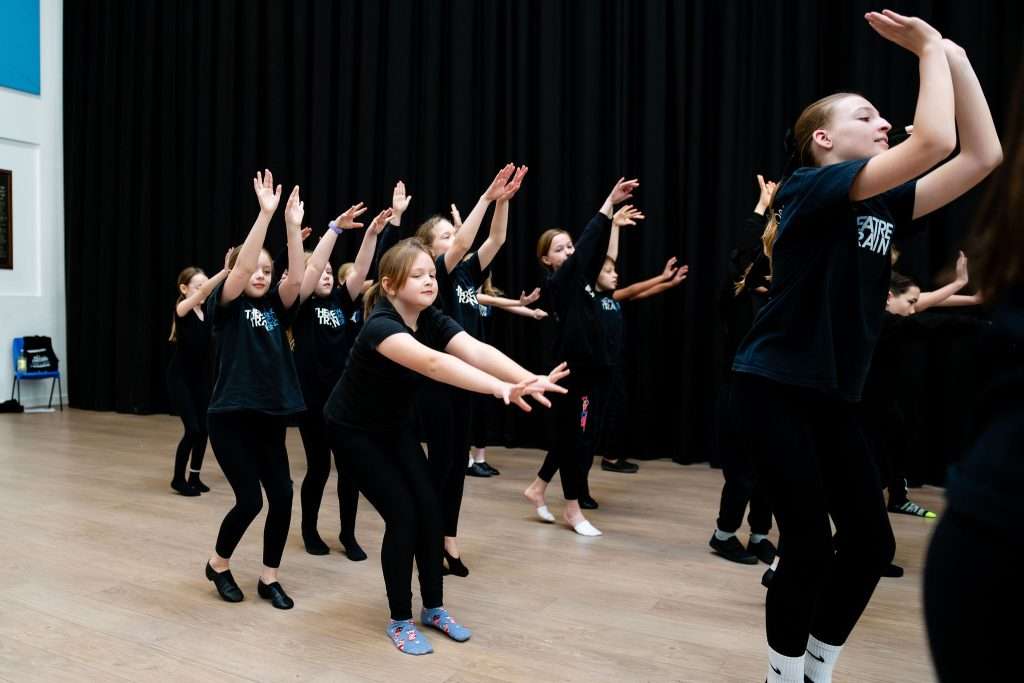
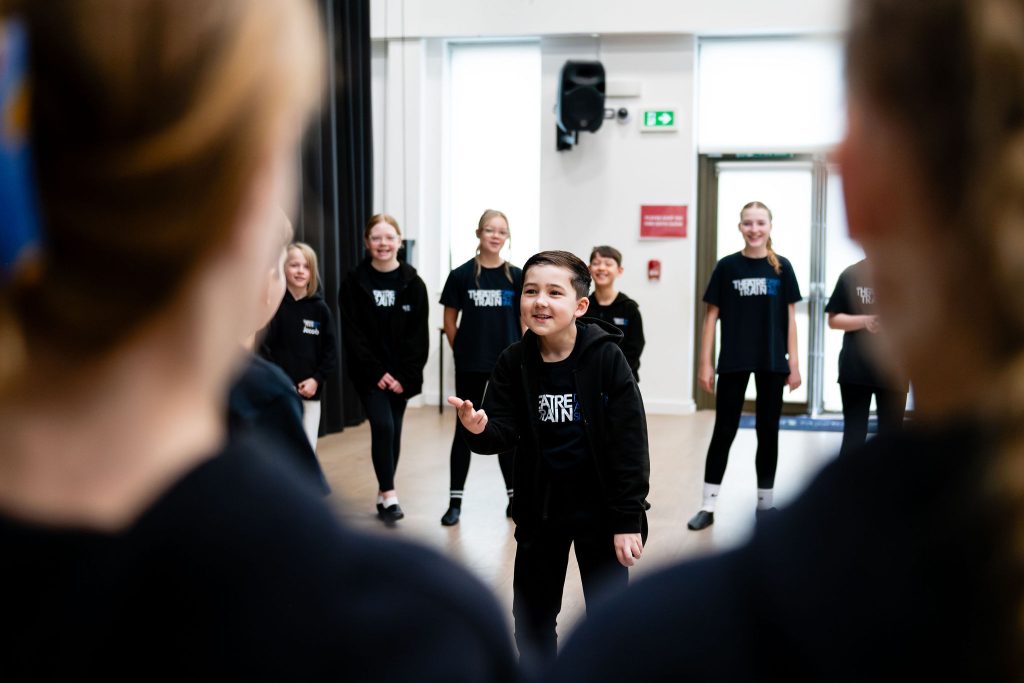
Stage fright is a common challenge faced by many young performers. The fear of performing in front of an audience can be overwhelming, often leading to anxiety and self-doubt. However, at our theatre school, we view stage fright as an opportunity for growth and resilience. Through our performing arts classes, students learn techniques to manage their nerves and build the confidence needed to shine on stage.
One effective way we help students overcome stage fright is through gradual exposure to performance situations. In the supportive environment of our theatre school, students are encouraged to participate in smaller, low-pressure performances before progressing to larger showcases. This gradual approach allows them to build their confidence step by step. With each performance, they learn to manage their anxiety and develop coping strategies, such as deep breathing and positive visualization. Over time, these techniques become second nature, enabling them to approach performances with a sense of calm and control.
Moreover, the experience of performing itself teaches valuable lessons in resilience. When students face setbacks, such as forgetting lines or experiencing technical difficulties, they learn to adapt and think on their feet. This ability to recover from mistakes is a vital life skill that extends far beyond the stage. They understand that perfection is not the goal; rather, the focus is on expressing themselves and connecting with the audience. Through this process, young performers cultivate a growth mindset, recognising that challenges can be overcome with effort and determination.
To support your child in overcoming stage fright and building resilience, consider these strategies:
- Encourage Regular Practice: Help your child establish a regular practice routine to build their confidence and familiarity with their material.
- Model Resilience: Share your own experiences of overcoming challenges, reinforcing the idea that setbacks are a natural part of growth.
- Teach Coping Techniques: Equip your child with relaxation techniques, such as mindfulness or deep breathing, to help manage anxiety before performances.
- Celebrate Efforts, Not Just Outcomes: Focus on your child’s effort and progress rather than the final result, promoting a healthy perspective on performance.
In conclusion, our performing arts classes empower young people to overcome stage fright and develop resilience. Through gradual exposure to performance situations and valuable lessons learned on stage, students gain the confidence to face challenges head-on. If you’re ready to help your child conquer their fears and build resilience through performing arts, visit www.theatretrain.co.uk for more information!