Performing arts help children become confident communicators
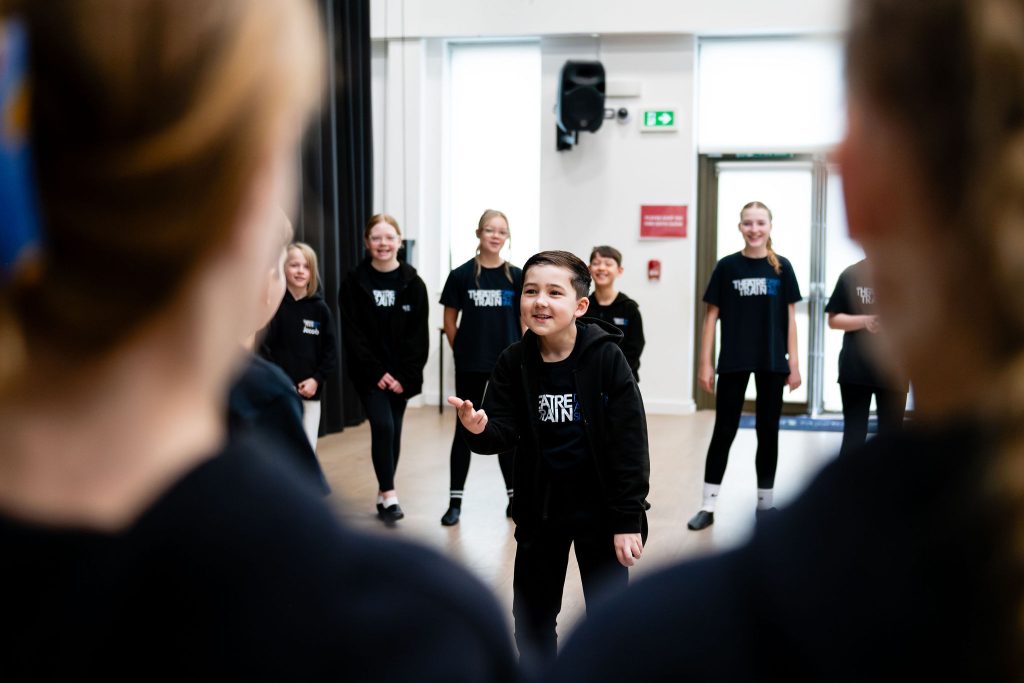
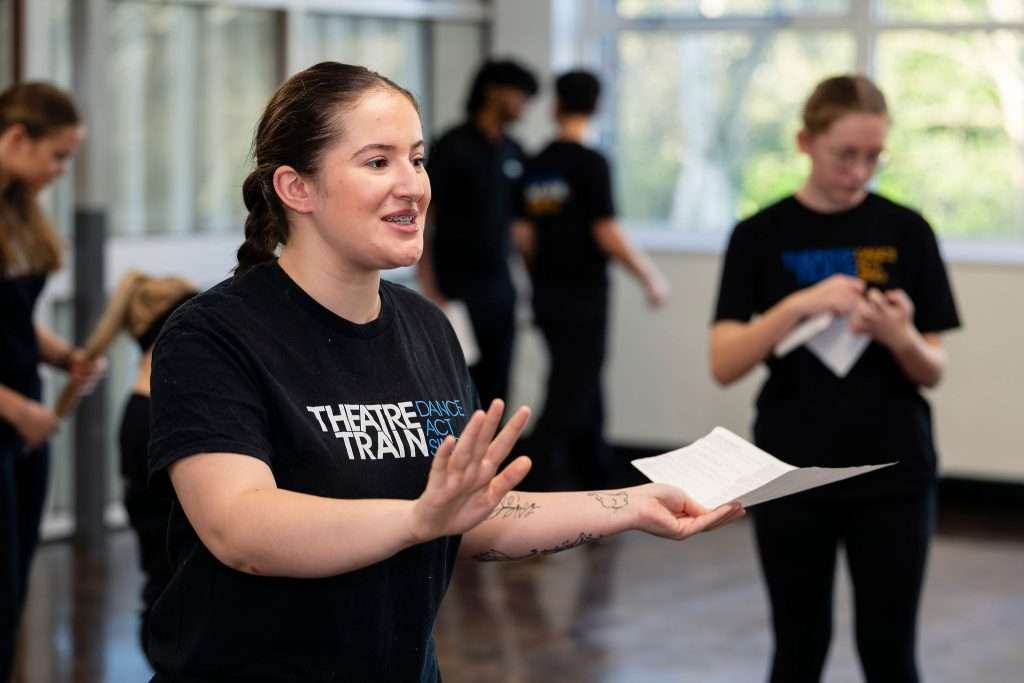
From their very first class, children begin learning how to listen carefully, respond thoughtfully and express themselves clearly.
Drama encourages eye contact, vocal confidence and the ability to articulate ideas. Singing develops projection, clarity and emotional expression. Dance strengthens awareness of posture, movement and non-verbal communication.
These communication skills naturally transfer into school presentations, friendships and eventually interviews and professional environments. When a child realises that their voice matters and that others are listening, something shifts. They begin to carry themselves differently. They begin to take up space.
Performing arts build teamwork and empathy
Unlike many individual hobbies, performing arts rely entirely on collaboration. Every song, every scene and every piece of choreography depends on working together.
Children learn to listen, adapt and support one another. They understand that each person plays an important role in the success of the whole group.
Stepping into different characters also develops empathy. By exploring new perspectives and emotions, young people learn to see the world through someone else’s eyes. It is a joyful and powerful way to nurture emotional intelligence.
Performing arts teach resilience and determination
Every child who performs experiences nerves, forgotten lines or moments when things do not go to plan. These experiences are valuable.
Through rehearsal and performance, children learn how to recover, try again and keep going. They develop a healthy relationship with mistakes, understanding that setbacks are part of growth rather than something to fear.
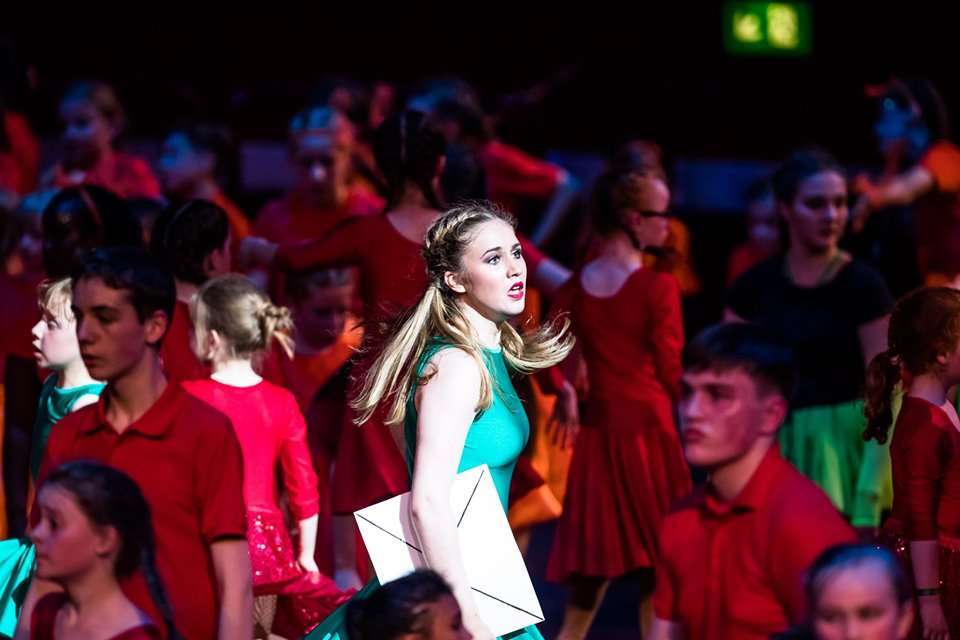
Courage becomes something practical — not the absence of fear, but the decision to move forward despite it. Performing in front of an audience often builds a level of resilience that supports children in every other area of life.
Performing arts nurture creativity and problem-solving
In a world focused heavily on exams and screens, creative thinking is more important than ever.
Performing arts encourage imagination, experimentation and exploration. Children discover that there is rarely just one “right answer” when it comes to creativity. They learn to test ideas, refine them and bring them to life.
Whether devising a scene, choreographing movement or interpreting a song, these experiences develop flexible thinking and adaptability — skills that are increasingly valuable in education and future careers.
Performing arts encourage self-awareness and pride
As children progress, they begin to recognise their own growth. They notice when choreography feels easier, when their voice sounds stronger or when they perform with greater confidence.
This awareness builds genuine self-esteem rooted in effort and improvement. When they step off stage feeling proud, the thought is not simply “I did it.”
It becomes “I can do hard things.”
That belief has lifelong impact.
Find Your Local Centre
If you would like your child to experience the benefits of performing arts first-hand, we invite you to find your nearest Theatretrain centre and book a taster session.
With centres across the UK, children can build confidence, make friendships and develop essential life skills — one Saturday at a time.
👉 Visit the Theatretrain website to find your local centre and start the journey today.