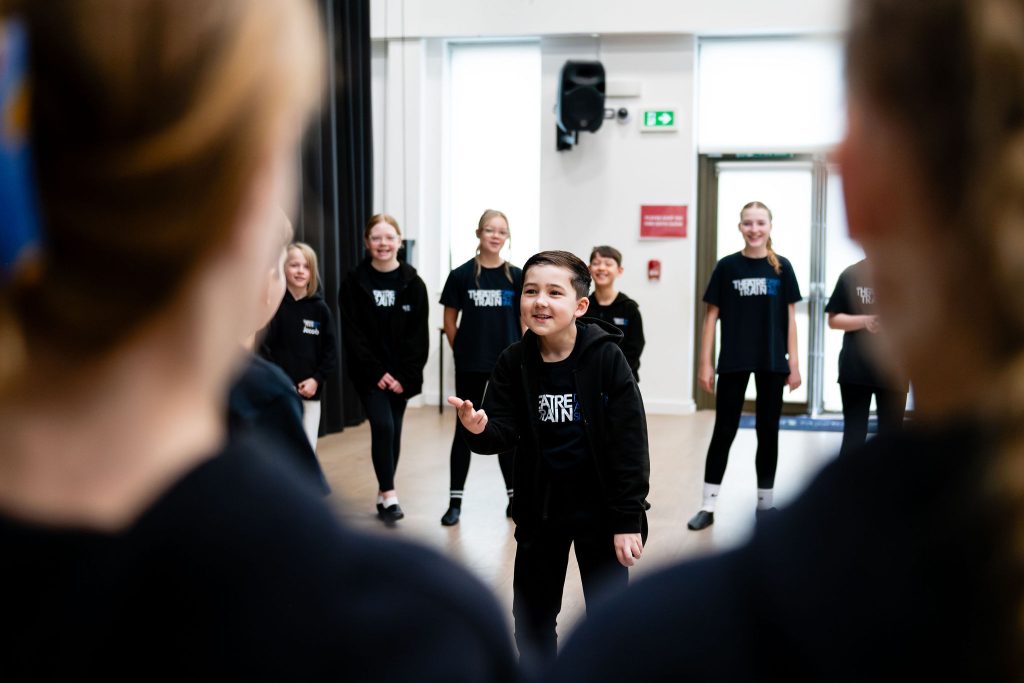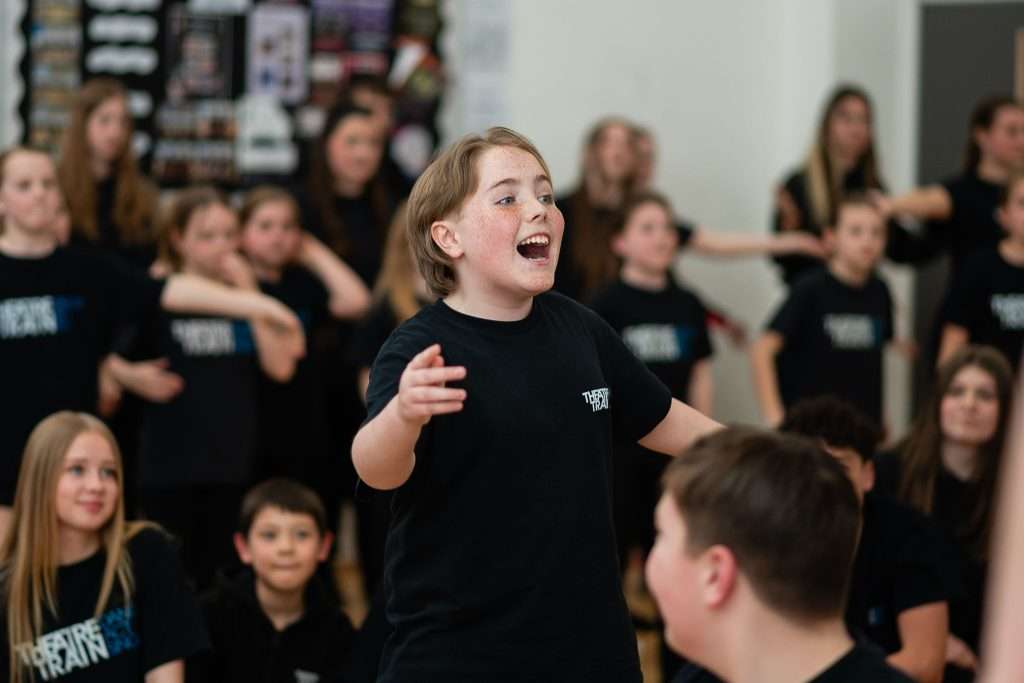
The stage has always been a place of storytelling — and the most powerful stories are those that reflect the full richness of human experience. For children, participating in the performing arts means more than performing: it means being seen, heard, and valued for who they truly are.
One of the most beautiful things about theatre, dance, and music is that they are naturally inclusive art forms. There’s no one way to perform, no single ‘right’ way to express a feeling or move through a story. This opens the door for children of all backgrounds, identities, and abilities to take part.
Inclusivity in the arts isn’t about meeting quotas or ticking boxes — it’s about honouring difference. Children with disabilities, neurodiverse children, children from minority backgrounds, and those who may not thrive in traditional educational settings all find a home in the performing arts. It’s a place where they can flourish.
At its best, a rehearsal room is a level playing field. It’s not about who is loudest or quickest, but who listens, learns, and brings their unique energy to the group. Children learn to work with people who are different from them — to collaborate across boundaries and build trust through creativity.
For many young people, especially those who feel marginalised, the arts offer a way to reclaim their voice. To play a lead role, to choreograph a scene, or to write a lyric that speaks their truth — these are moments of empowerment. They tell young people that their voice matters.
Educators in the performing arts understand the importance of making every child feel welcome. That could mean adapting activities, using inclusive language, or creating roles that reflect a broader range of experiences. When children see themselves represented — and celebrated — they gain the confidence to express themselves fully.
Performing arts also provide a vital space for children to explore identity. Whether it’s gender, race, culture, or ability, the arts allow young people to explore who they are in an open, accepting environment.
As actress and activist Viola Davis once said, “The arts are a weapon against ignorance.” They give children tools to challenge stereotypes, explore difference, and stand up for themselves and others.
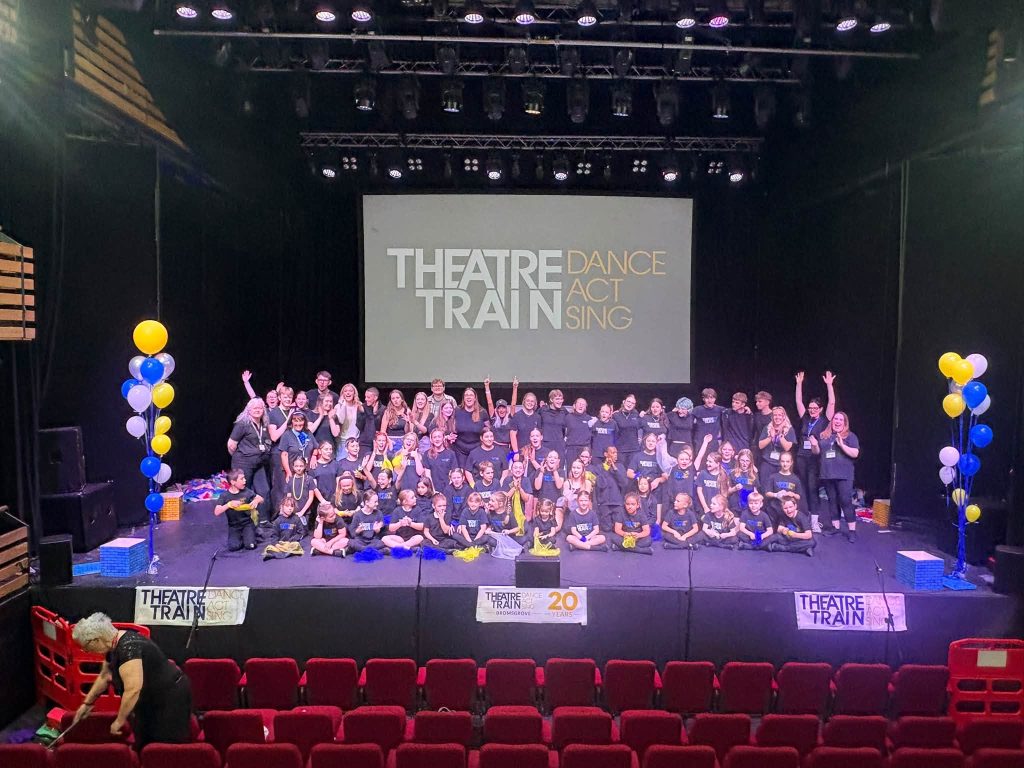
At Theatretrain, inclusion isn’t a bonus — it’s a foundation. We believe the stage should reflect the world as it is: diverse, vibrant, and full of promise. Every child belongs in that spotlight.