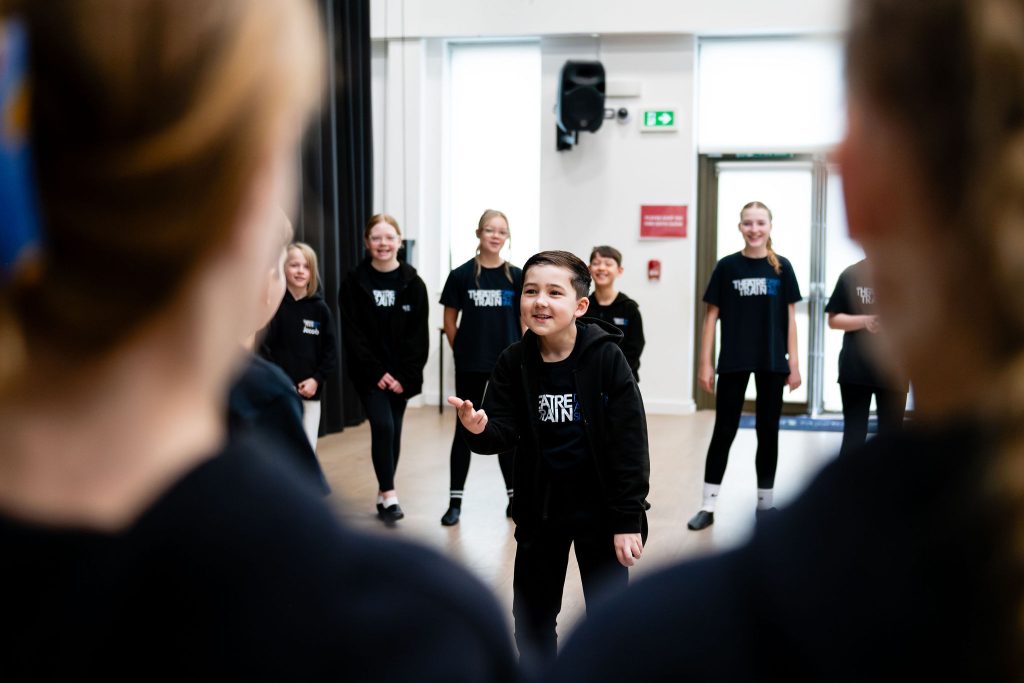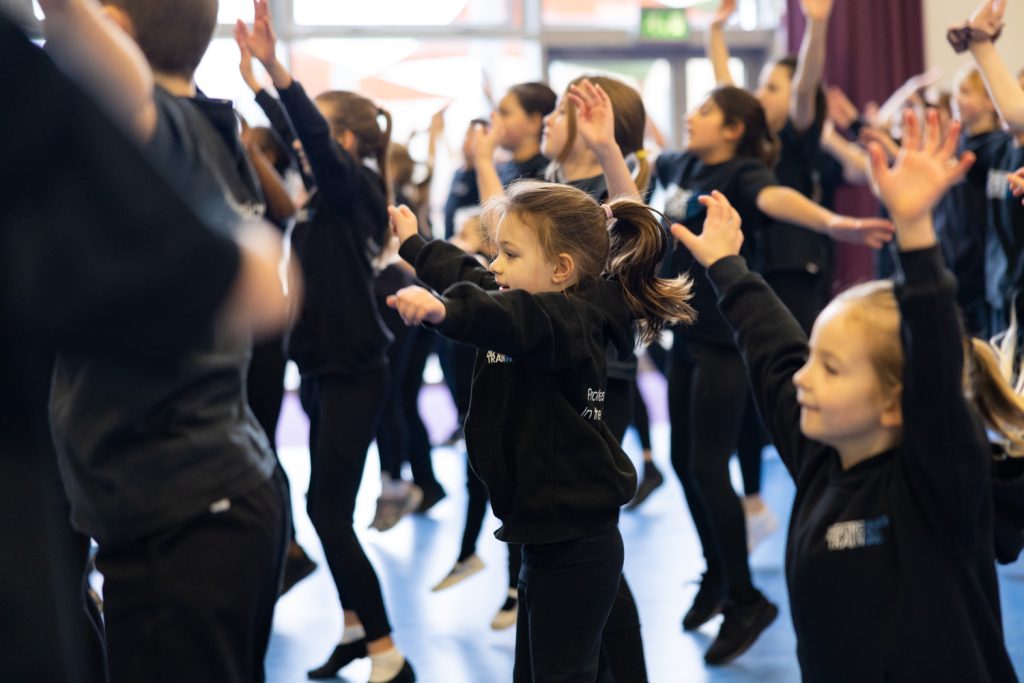
Are you frustrated with your child’s lack of interest in school subjects like math and science? Imagine a classroom where children are buzzing with excitement, not just because they’re learning science, technology, engineering, arts, and mathematics (STEAM), but because they’re dancing through it all. This isn’t a scene from a whimsical children’s book—this is a real teaching method used by the Wolf Trap Institute for Early Learning Through the Arts. And guess what? It’s working wonders.
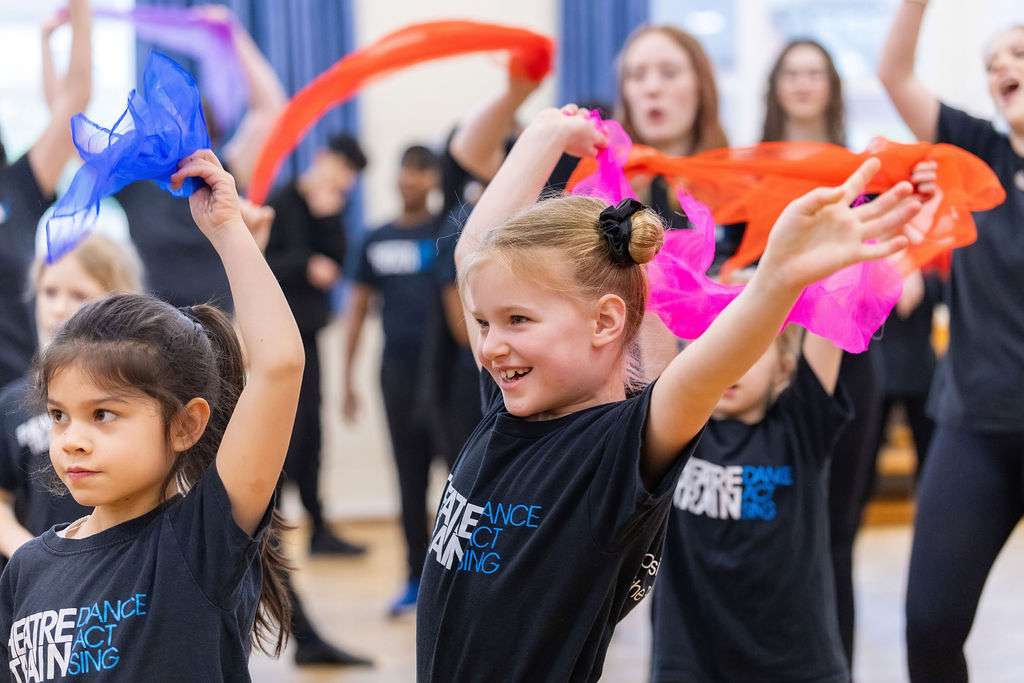
Take Mrs. Johnson’s class, for example. She’s a teacher who’s always looking for innovative ways to make learning fun and effective. One day, she decided to introduce dance into her curriculum, a decision that would change everything. Picture this: the kids are learning about the solar system, but instead of just reading from textbooks, they’re dancing the orbits of the planets. Each child takes on the role of a different celestial body, moving in patterns that mirror the solar system’s movements. Suddenly, learning isn’t just informative—it’s exhilarating!
Mrs. Johnson noticed that her students were not only more engaged but also started to understand complex concepts much quicker. She observed a particular improvement in little Victoria, a quiet girl who always struggled with maths. When they started incorporating dance to count beats in music, Victoria’s understanding of mathematical patterns and sequences improved dramatically. She went from dreading math to eagerly anticipating the next lesson.
One of the most surprising insights came when Mrs. Johnson saw how dance fostered creative problem-solving skills. During a lesson on engineering principles, the kids had to “build” structures with their bodies. They worked in groups to create shapes and bridges, solving problems on the fly about how to best use their collective strength and balance. It was like watching a live-action puzzle unfold.
What’s more, this integration of dance into STEAM wasn’t just boosting academic skills. The children were also developing better social skills and teamwork. They learned to communicate effectively, lead, follow, and most importantly, they learned that making mistakes was part of the process. If their human bridge collapsed, they’d laugh, regroup, and try again—each time learning something new.
The benefits extended beyond the classroom. Parents reported that their children were more creative and confident at home too. They were choreographing their own dances, explaining their homework through movement, and even helping out with chores in more imaginative ways.
It’s incredible to see how something as joyful as dance can have such a profound impact on learning. This seamless blend of creativity and education not only makes subjects like maths and science more accessible but also significantly boosts problem-solving skills. It makes you wonder, what’s the secret behind this magic?
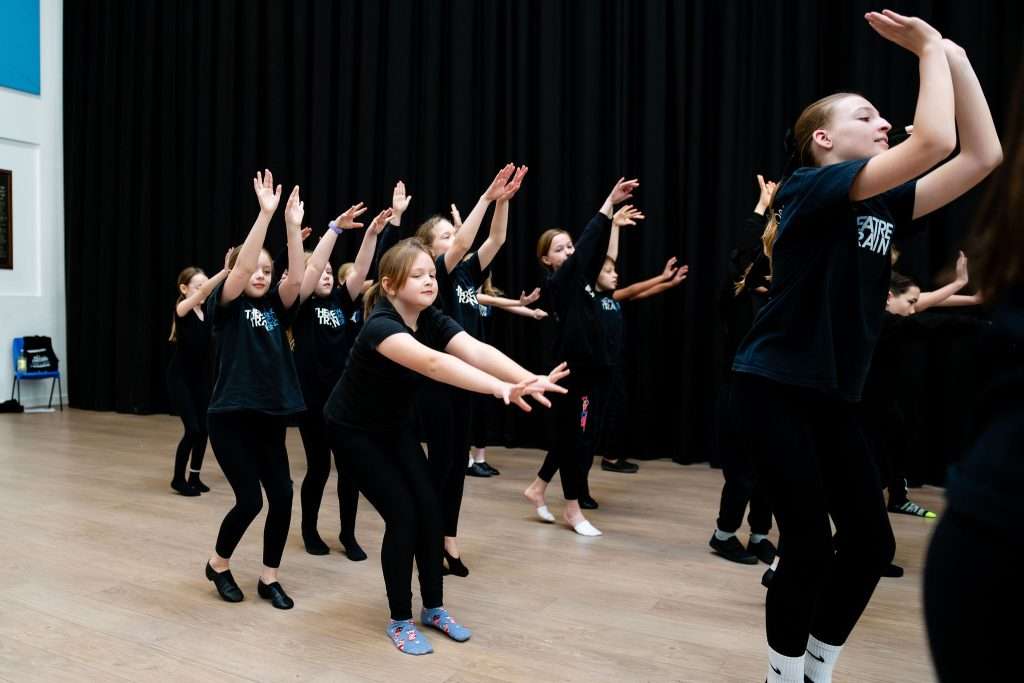
Well, here’s the scoop: dance classes improve creative problem-solving skills. When children learn choreography, they’re not just memorising steps—they’re interpreting music, experimenting with movement, and constantly adapting to new sequences. This process requires innovative thinking and quick adaptation, which are the bedrock of creative problem-solving.
Think about it: every time kids practice a dance routine, they’re essentially solving a puzzle. They have to remember the sequence of moves, synchronise with the music, and sometimes even improvise when something doesn’t go as planned. This constant mental exercise enhances their cognitive flexibility, enabling them to think outside the box and approach problems from multiple angles.
Moreover, dance encourages kids to work collaboratively, whether they’re performing in groups or partnering up for routines. This teamwork hones their ability to communicate, negotiate, and collaborate—skills that are crucial for effective problem-solving in any context.
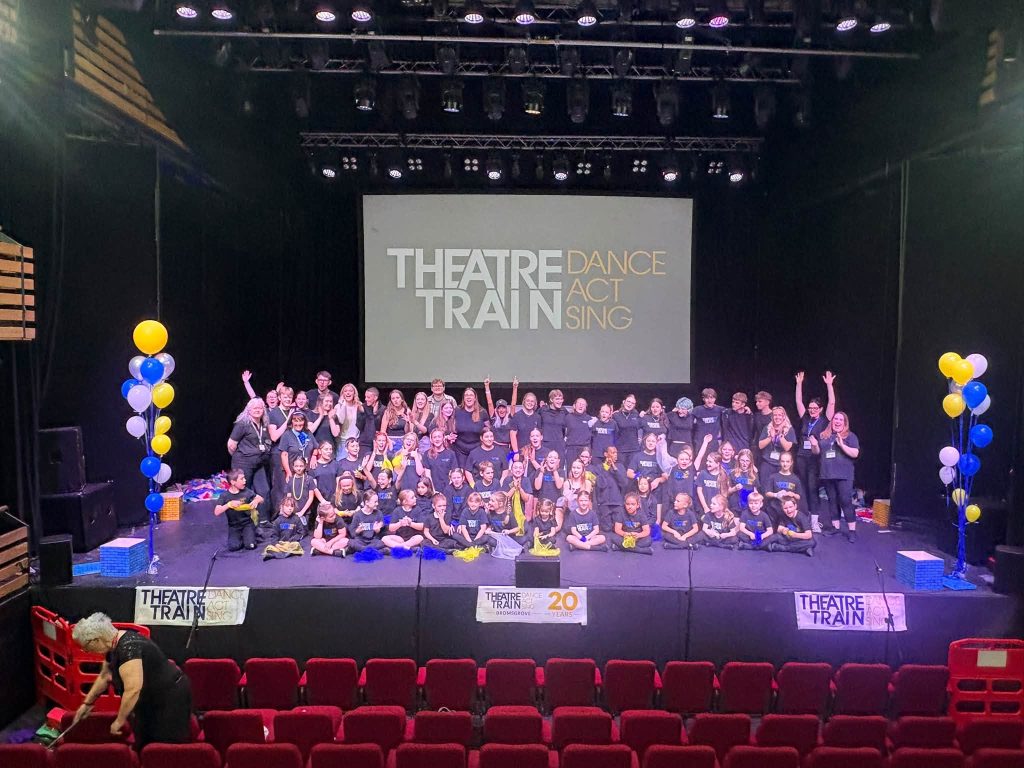
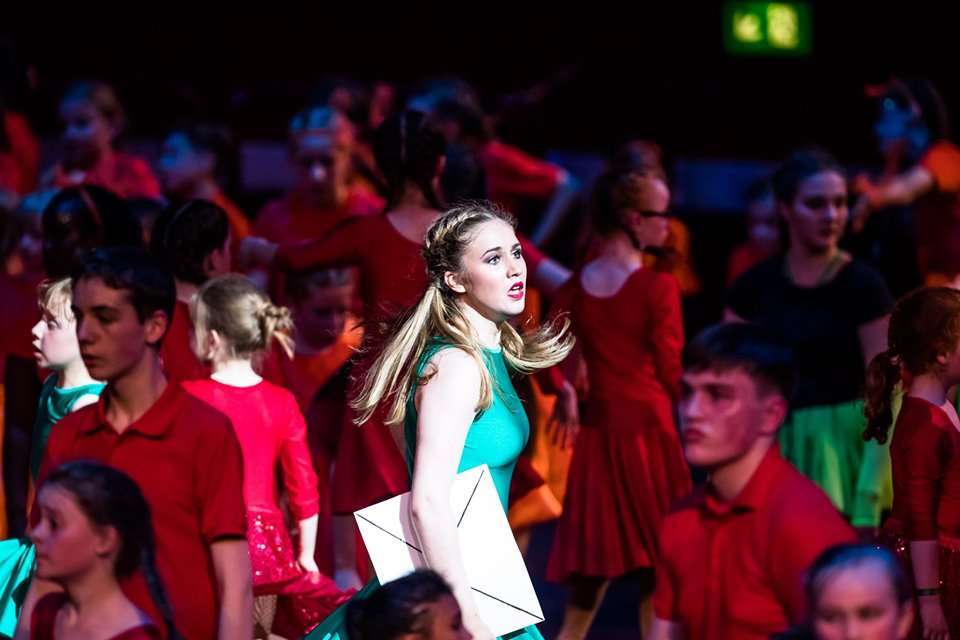
So, if you’re looking for a way to help your child develop these vital skills, consider enrolling them in Theatretrain. It’s not just about the physical benefits or the joy of movement; it’s about equipping them with the tools they need to excel academically and beyond.
Curious to see how dance can transform your child’s learning experience? Click here to explore more and get started.