Why theatre matters more than we realise
Theatre is often associated with performance, creativity and entertainment. But behind every rehearsal and production lies something far more powerful: character development.
When children take part in theatre, they learn how to navigate challenges, express themselves clearly and respond to unexpected situations with confidence. These are not just stage skills — they are life skills.
Theatre teaches resilience through experience
Every rehearsal comes with small setbacks. A forgotten line. A missed cue. A routine that needs refining.
In theatre, children learn that mistakes are part of progress. They practise, adjust and try again. Over time, they become more comfortable stepping outside their comfort zone.
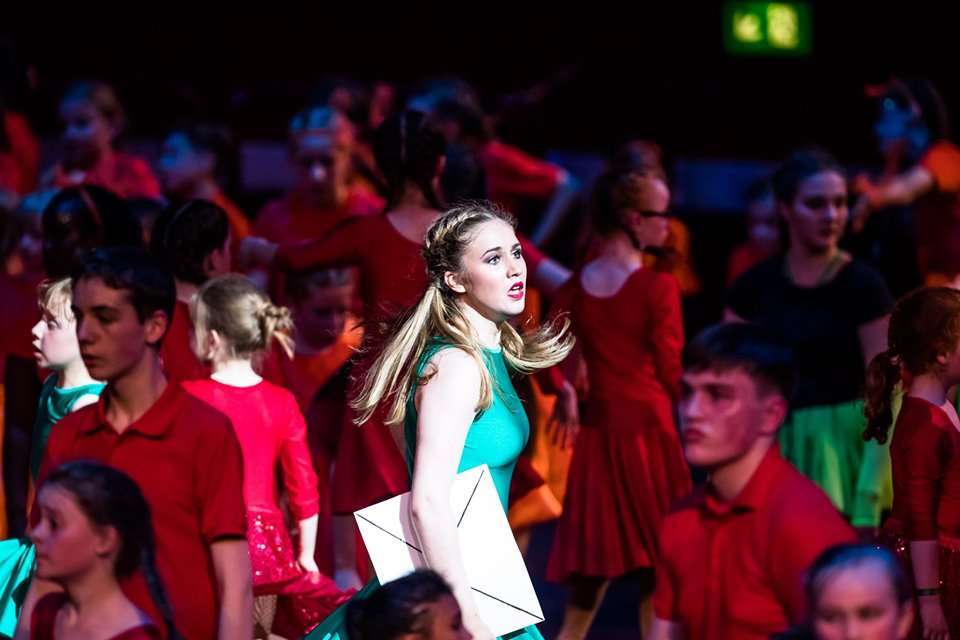
Performing in front of an audience also builds courage. Nerves become manageable. Pressure becomes productive. Children begin to understand that fear does not have to stop them from succeeding.
This repeated cycle of challenge and achievement develops genuine resilience.
Stepping into different roles builds empathy
Theatre requires children to see the world from someone else’s perspective.
By exploring characters with different emotions, motivations and experiences, they develop a deeper understanding of others. This strengthens emotional intelligence and improves how they relate to friends, teachers and family.
Empathy is not simply taught — it is experienced. And theatre provides a safe, structured environment for that growth to happen.
Communication becomes a strength
Clear communication is one of the most valuable skills a child can develop.
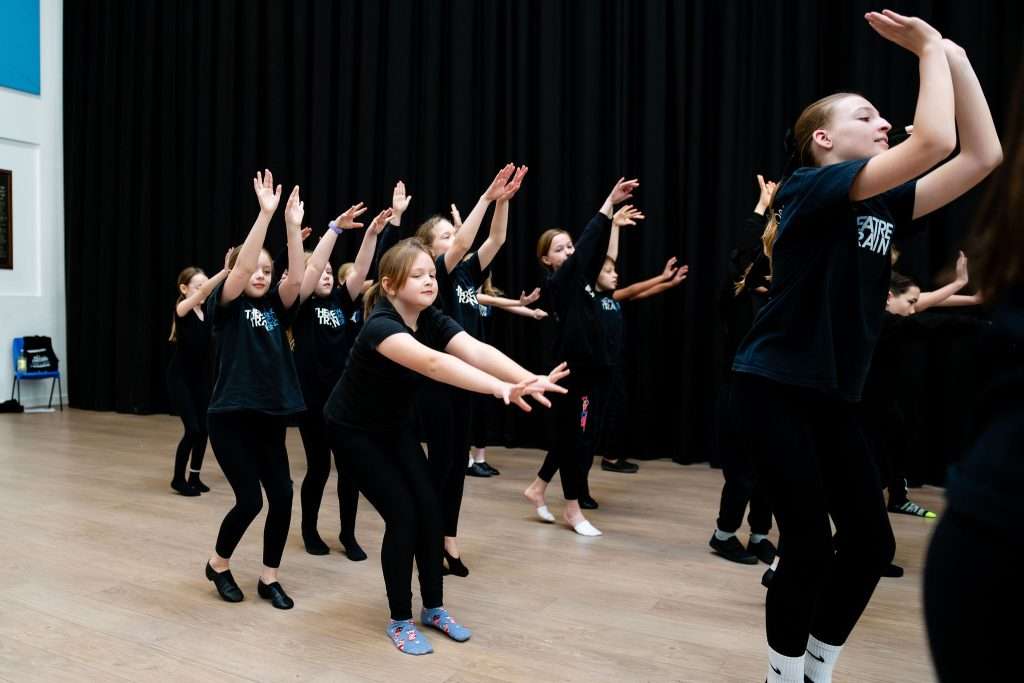
Through drama, children learn articulation and vocal confidence. Singing strengthens breath control and projection. Dance builds awareness of posture and non-verbal expression.
Together, these skills create confident communicators who can express ideas clearly, listen actively and engage positively with others.
Adaptability and problem-solving grow naturally
Live performance is unpredictable. Cues change. Scenes evolve. Timing shifts.
Children quickly learn how to adapt in real time. They become flexible thinkers who can respond calmly and creatively when plans change.
This adaptability supports them academically and socially, preparing them to handle new environments and challenges with greater ease.
A safe space to grow in confidence
Theatre offers something increasingly rare: a space where children can experiment without fear of judgement.
They can try new ideas, test different approaches and develop their own voice. Over time, they recognise their progress — not just in performance ability, but in self-belief.
Confidence becomes rooted in effort and improvement rather than external validation.
Theatre shapes capable, well-rounded young people
The goal of theatre education is not simply to produce performers. It is to nurture resilient, adaptable individuals who are prepared for life beyond the stage.
Through teamwork, creativity, discipline and perseverance, children develop skills that support them in education, relationships and future careers.
The spotlight may fade after a performance, but the confidence and resilience remain.
Discover Theatretrain Near You
If you would like your child to experience the confidence and resilience that theatre training can develop, we invite you to find your nearest Theatretrain centre.
With weekly classes in singing, dance and drama, children build essential life skills in a supportive and structured environment.
👉 Visit the Theatretrain website today to find your local centre and book a taster session.