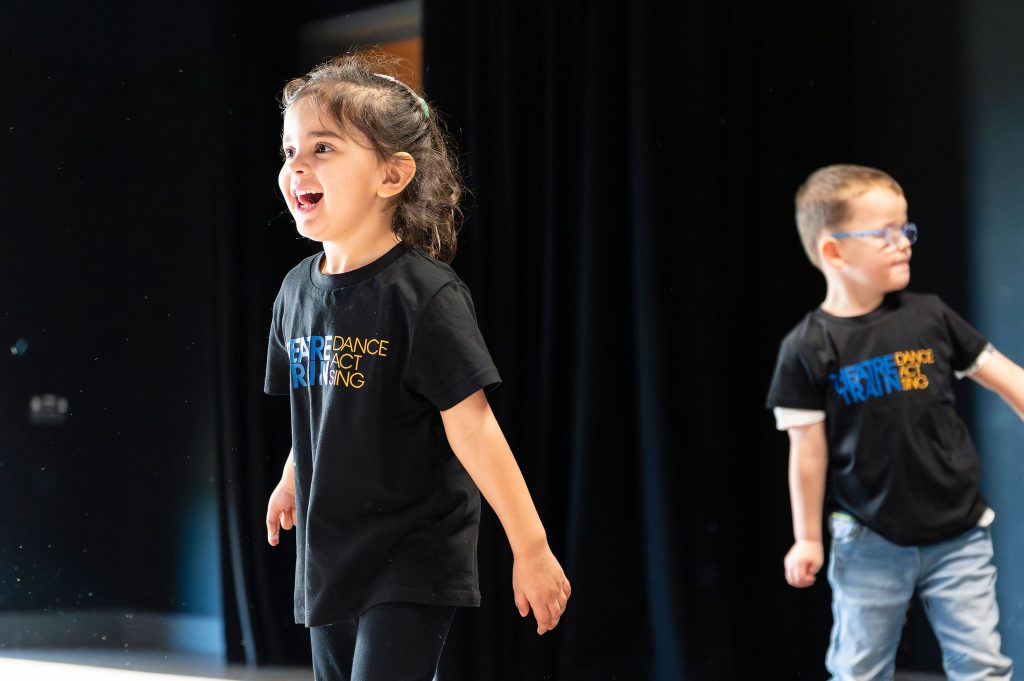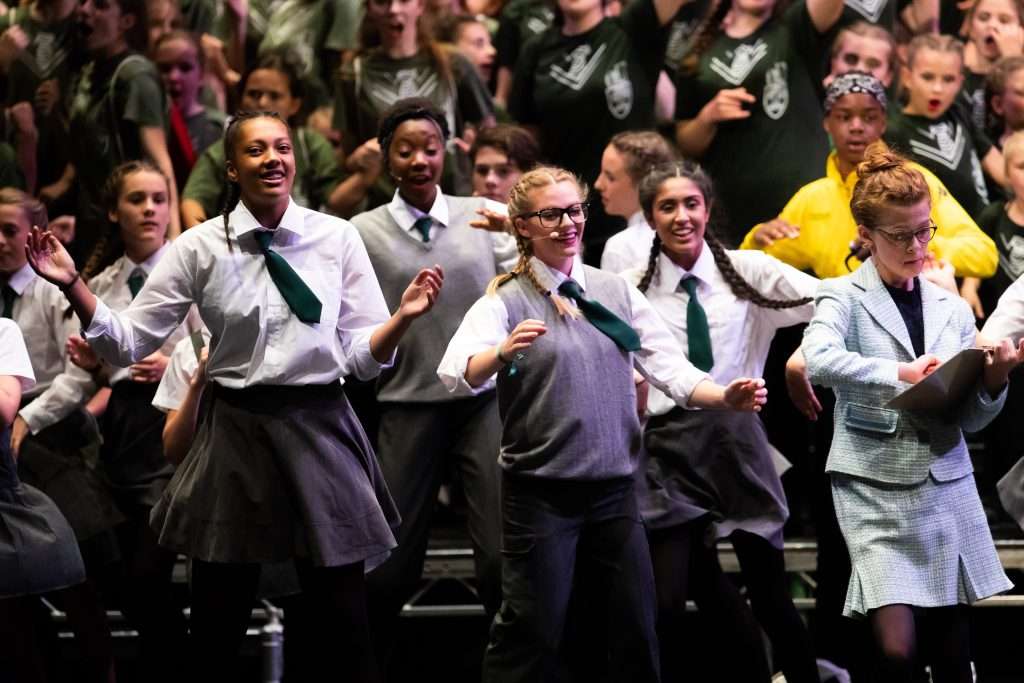
Shyness is often misunderstood. It doesn’t mean a child lacks ideas, creativity, or passion — they may just be searching for the right way to express themselves. For many young people, dance offers that pathway.
Through rhythm, movement, and music, children can communicate without words — and in doing so, they often discover confidence, joy, and connection.
Why Dance is Ideal for Shy Children
Unlike activities that rely on verbal expression, dance allows children to speak with their bodies. It’s a way to express emotion, tell stories, and show personality without needing to say a word.
For a shy child, this can be life-changing. They realise:
- It’s okay to be seen
- Movement can communicate feelings
- Expression doesn’t require speaking out loud
The Confidence-Building Power of Movement
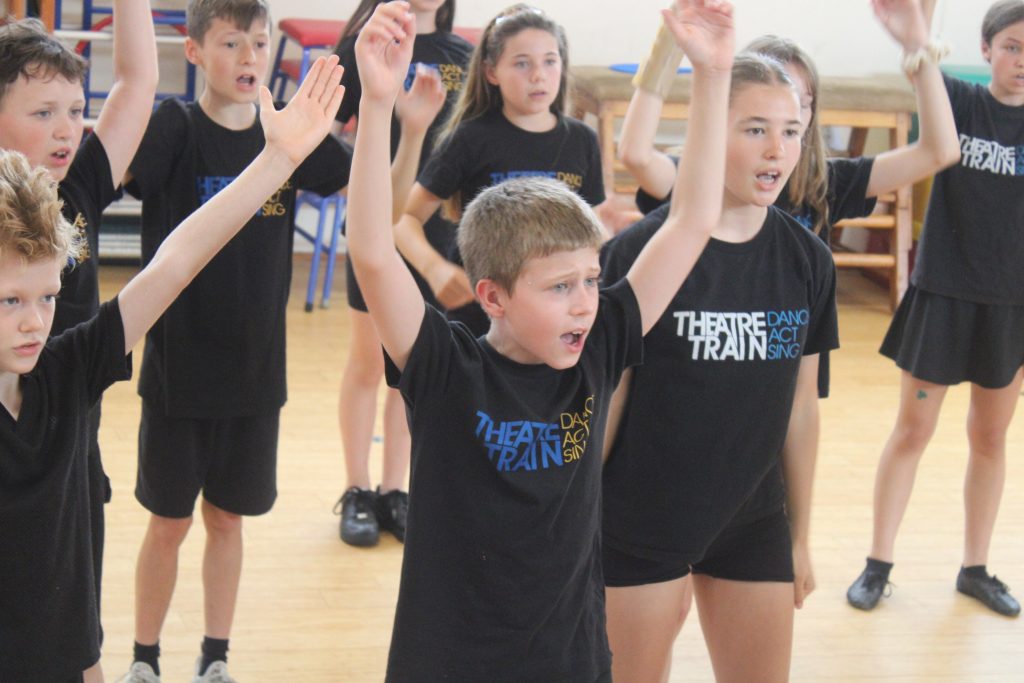
Every step, spin, and leap teaches young dancers something new about themselves. As they practise routines and master choreography, they experience:
- A sense of achievement
- Growth in body awareness and self-trust
- Encouragement from instructors and peers
This physical confidence often spills over into their everyday lives — in school, social settings, and beyond.
Dance as Self-Expression
Dance lets young people explore who they are. Whether it’s high-energy hip-hop or graceful contemporary, each style offers something unique.
By choosing their own movements and embodying characters or moods, children:
- Explore their identity
- Release emotions safely
- Learn to tell stories in creative, personal ways
Small Wins That Lead to Big Growth
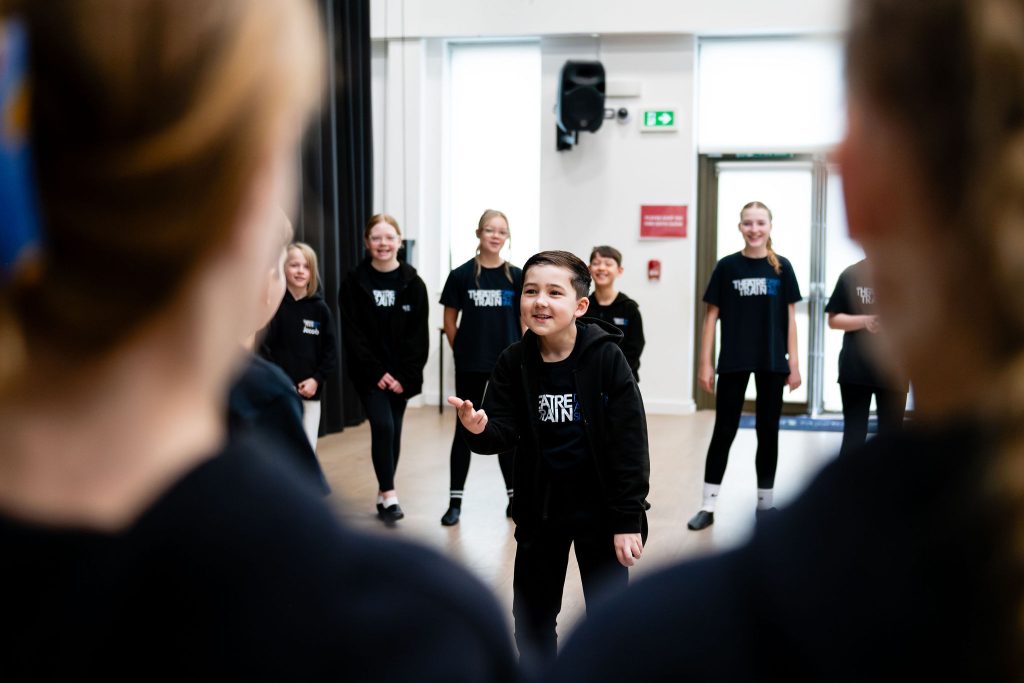
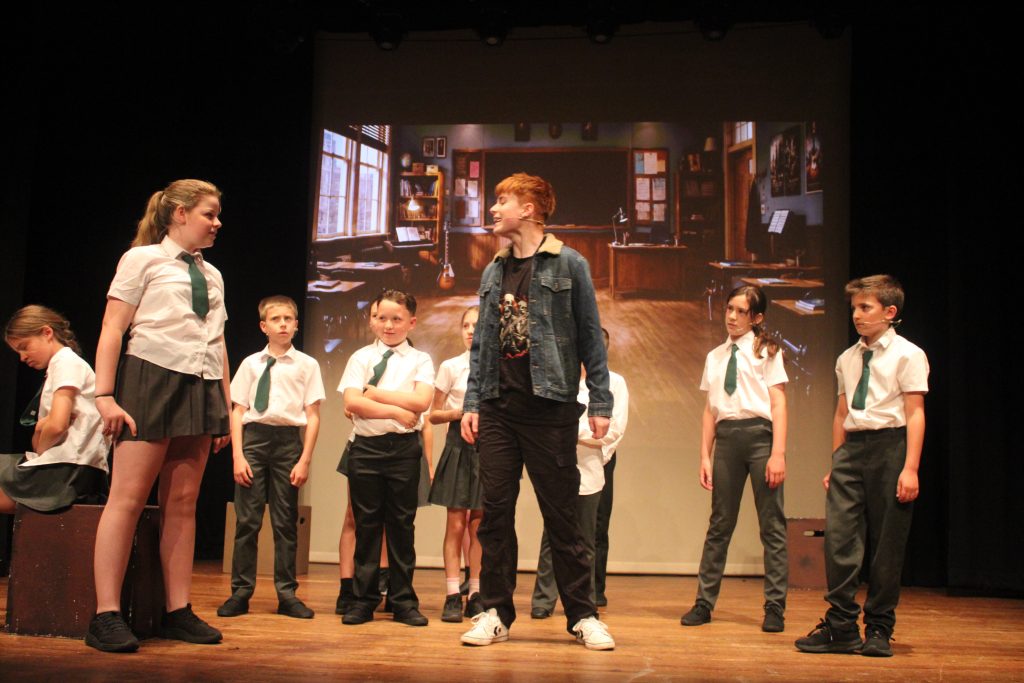
Progress in dance often comes in small, rewarding steps. A shy child might begin by joining group warm-ups. Then they take a solo turn in class. Eventually, they might perform on stage.
Each milestone builds courage — not only to dance but to speak up and take up space in the world.
The Supportive Environment of Dance Classes
A key part of this transformation is the environment. Dance classes often foster:
- Encouragement and praise
- Non-verbal communication
- Respect for personal space and pacing
This is especially helpful for children who find noisy or chaotic settings overwhelming.
Why Dance Builds Friendships Too
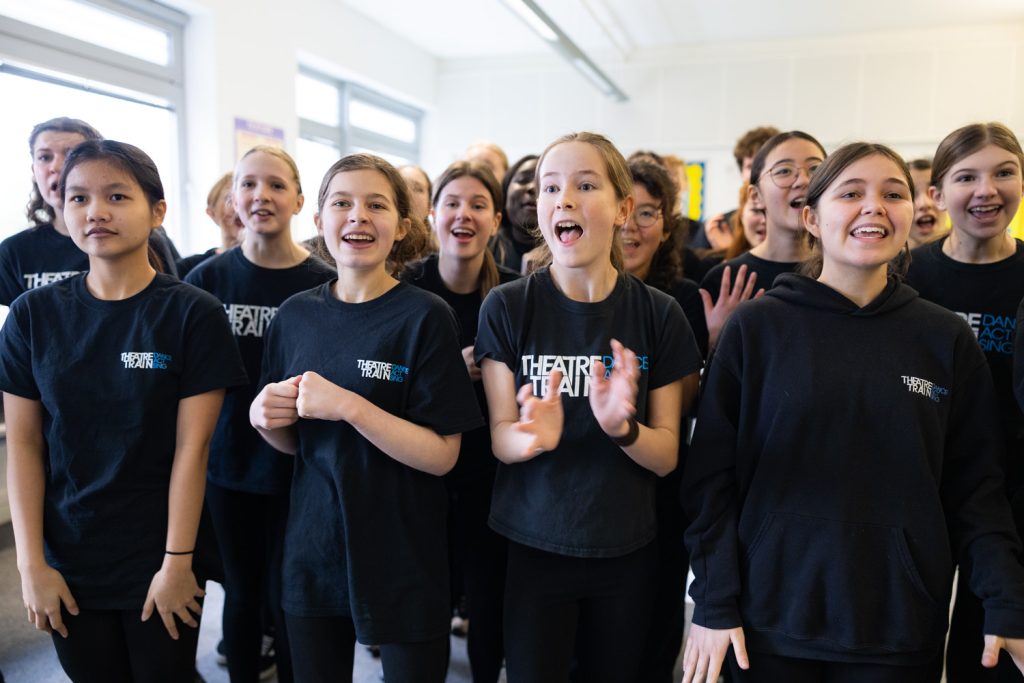
Many shy children worry about fitting in. Dance brings people together through shared routines and rhythms. Over time, children:
- Connect through teamwork
- Feel a sense of community
- Celebrate progress together
These connections are often the starting point for lifelong friendships.
Famous Stories of Dance and Confidence
Misty Copeland, the first African American principal ballerina with American Ballet Theatre, once said, “You can start late, look different, be uncertain and still succeed.” Her story — starting ballet at 13 and facing huge personal challenges — is a powerful example of dance unlocking inner strength.
How Parents Can Support the Journey
If your child is shy but curious about dance:
- Encourage trial classes in a supportive setting
- Celebrate effort over performance
- Let them lead at their own pace
Final Thoughts
Dance isn’t just an art form — it’s a bridge. It helps shy children cross from uncertainty to confidence, from silence to expression. And in that journey, they often discover their voice.
At Theatretrain, we see this transformation every day. We believe dance gives every child — shy or not — the chance to shine in their own way.