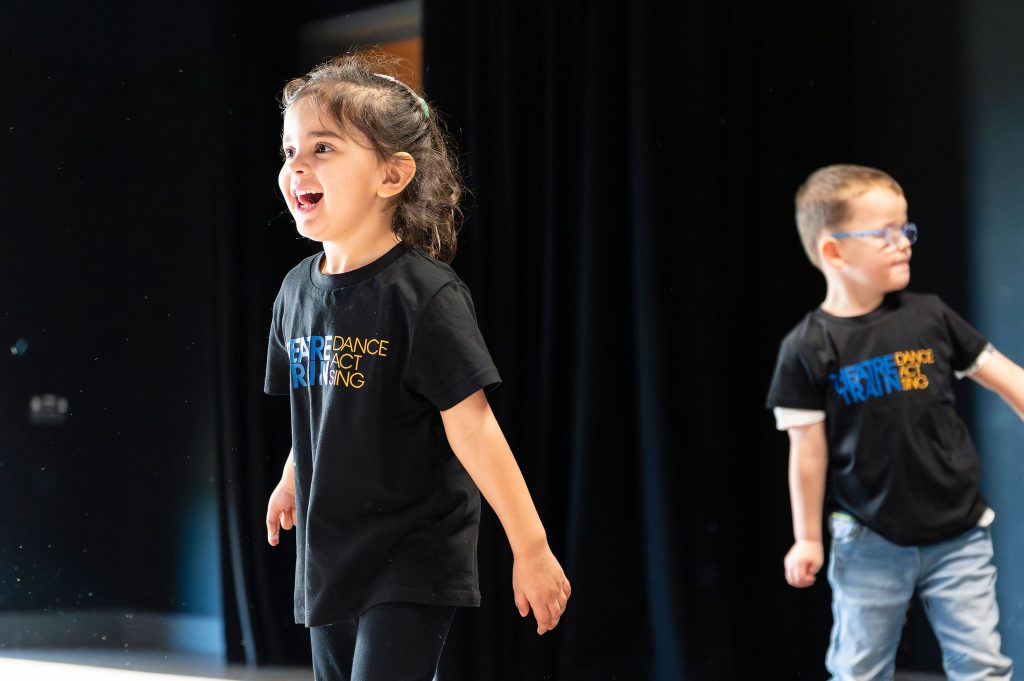
The quiet magic of confidence
Confidence doesn’t appear overnight; it grows slowly through experience, encouragement and self-belief. For many children, the stage is where that transformation begins. In a world that often rewards loud voices and quick answers, theatre creates a safe space for children to explore who they are without judgement. It teaches that confidence isn’t about being the loudest — it’s about being comfortable in your own skin.
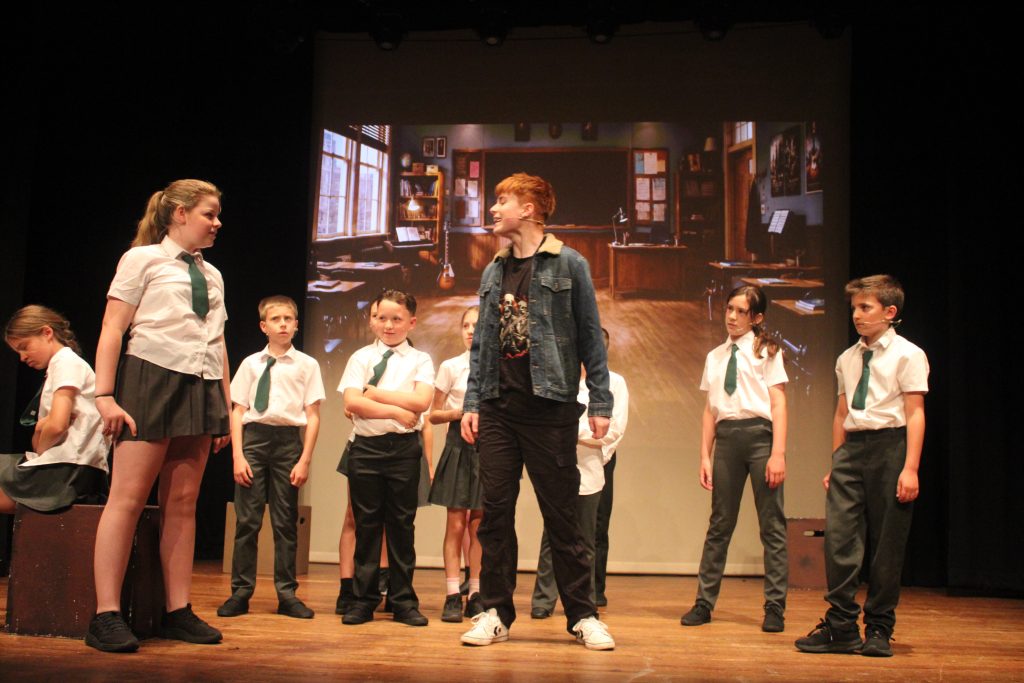
Through drama, children practise expressing feelings, using body language, and communicating ideas. These are essential life skills that extend well beyond the curtain call. Whether they’re playing a king, a clown or themselves, every performance becomes an exercise in courage and creativity.
Small steps to big bravery
Many parents are surprised to see their child’s transformation after just a few weeks of performing arts training. At first, standing on a stage might seem terrifying. But each rehearsal, each line remembered, and each round of applause helps children recognise their own ability.
Confidence isn’t taught through lectures; it’s discovered through doing. Theatre classes let children take small, manageable risks — delivering a line, singing a solo, or stepping into a spotlight — and reward them with genuine pride. Over time, these little victories add up to something powerful: a belief that “I can do this.”
Drama as emotional education
In theatre, children learn to understand emotions — their own and those of others. Acting involves stepping into another person’s shoes, which builds empathy and emotional awareness. A child who can recognise fear, excitement or sadness in a character begins to recognise those feelings in real life too.
Performing arts are often described as “emotional literacy in motion.” They teach that feelings aren’t to be hidden but explored, communicated and celebrated. This understanding helps children navigate friendships, school challenges and even family life with maturity and compassion.
Building resilience through rehearsal
Theatre isn’t just about the applause; it’s about the process. Rehearsing teaches children persistence, patience and teamwork. Not every scene works the first time, not every song goes to plan, and sometimes a line is forgotten. But in those moments, children learn resilience — how to recover, adapt and keep going.
They discover that mistakes aren’t failures; they’re part of learning. That mindset, once developed on stage, follows them into classrooms and everyday life.
The social stage
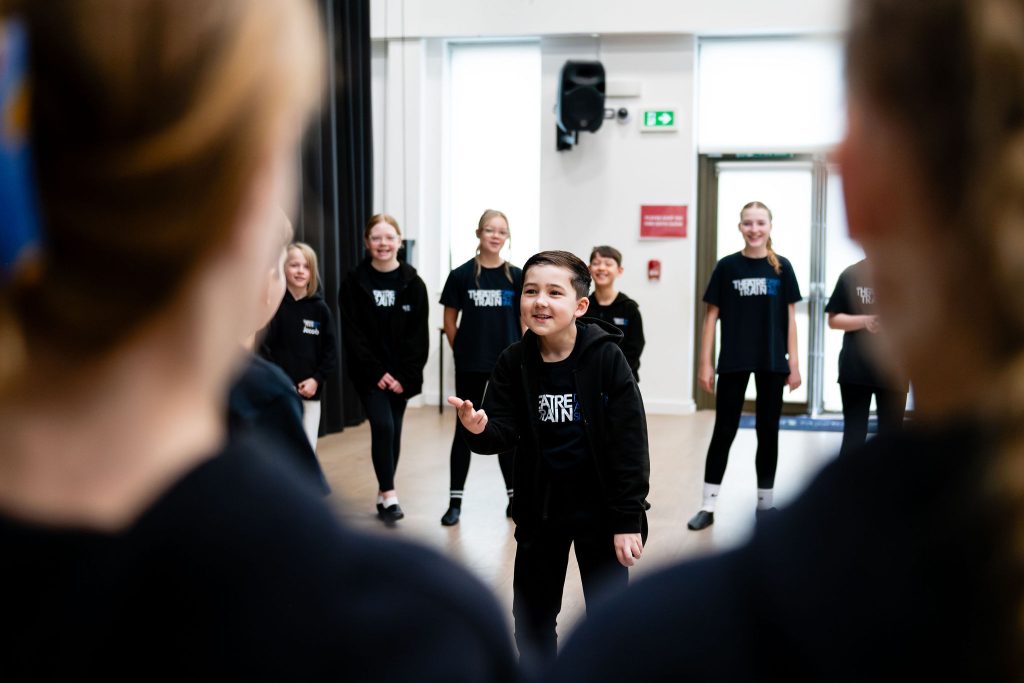
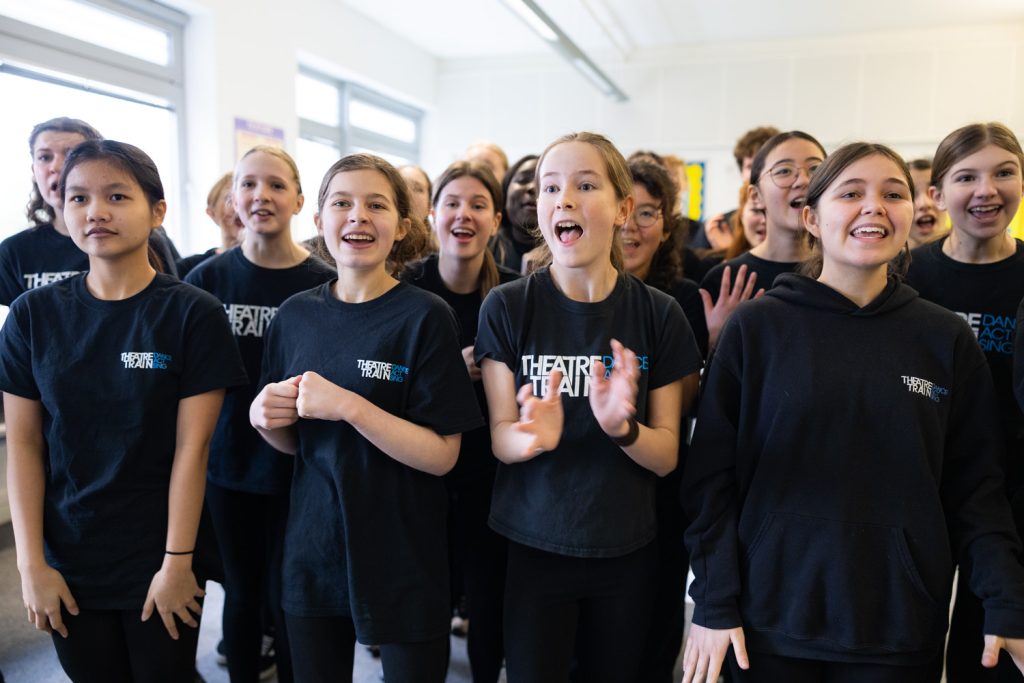
Confidence grows fastest when it’s supported by community. Theatretrain classes provide that sense of belonging — a group of children all working toward a shared goal. In this environment, everyone matters: the lead performer, the chorus member, the stagehand.
Friendships form quickly because theatre naturally encourages trust and cooperation. Children cheer for each other, share successes and learn to celebrate differences. For many, these bonds become some of the strongest and most positive relationships of their childhood.
Real-world confidence, not stage-only confidence
The skills developed in performing arts classes translate directly into real life. Children learn to:
- Speak clearly and confidently in front of others
- Listen attentively and collaborate effectively
- Think creatively when faced with challenges
- Express emotions appropriately
- Handle pressure and adapt to change
These are precisely the abilities employers, educators and parents value — and they’re all built on the foundations of performance.
Parents often notice the difference
It’s not uncommon for parents to remark:
- “She’s standing taller now.”
- “He actually volunteered to read in class.”
- “She’s smiling more and talking to new people.”
These aren’t coincidences; they’re visible signs of inner growth. A child who learns to step confidently onto a stage starts stepping confidently into life.
More than a performance — a transformation
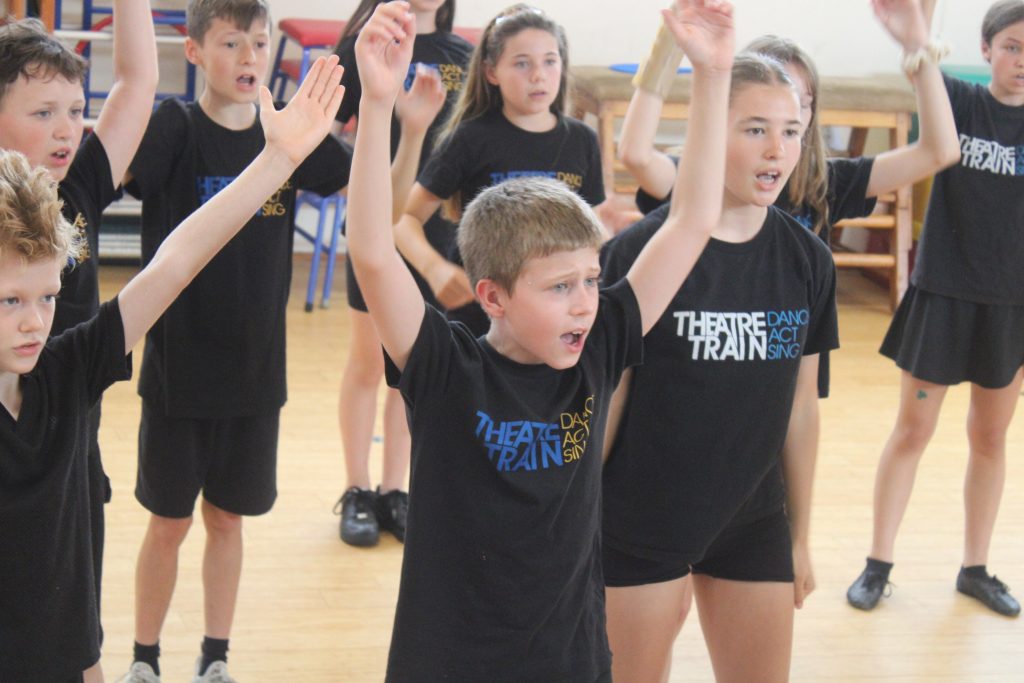
At Theatretrain, classes are designed to build character as much as they build talent. Every session offers a balance of acting, singing and dancing — a creative trio that develops expression, coordination and self-belief.
The emphasis isn’t on producing stars; it’s on helping each child discover their own light. That’s why so many parents say theatre training gave their child “the confidence to be themselves.”
The standing ovation every child deserves
Every child deserves to feel proud, seen and celebrated. The stage provides a rare space where their individuality isn’t just accepted — it’s applauded. That applause isn’t about perfection; it’s a recognition of courage, effort and growth.
When children hear that applause for the first time, something changes inside them. They realise that their voice matters, their presence counts, and they are capable of amazing things.
If you’d like to help your child grow in confidence, creativity and joy, explore your local Theatretrain centre today. To find out more about how Theatretrain can inspire your child, visit www.theatretrain.co.uk